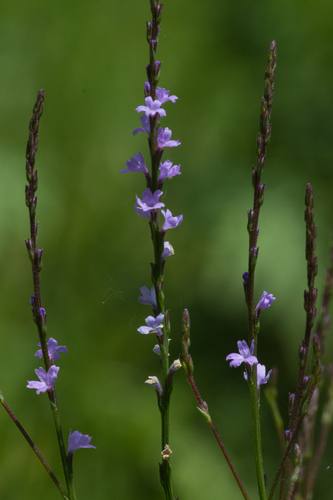


Texas Vervain
verbena halei
Texas Vervain (Verbena halei) is a hardy, slender perennial wildflower native to the grasslands and open spaces of North America, particularly abundant across Texas and the southern United States. With its airy spikes of delicate, pale blue-lavender flowers, this resilient plant brings a touch of soft color to dry, sun-baked landscapes. Often found along roadsides, pastures, and disturbed soils, it serves as a critical early-season nectar source for native bees, butterflies, and other vital pollinators. Its ability to thrive in poor, rocky soils and survive prolonged dry spells makes it an outstanding example of wild endurance. Although sometimes mistaken for a weed due to its aggressive growth in disturbed areas, Texas Vervain plays an essential role in local ecosystems by stabilizing soil and supporting biodiversity.
Habitat: Found in open grasslands, pastures, disturbed fields, and along dry roadsides, typically thriving in sandy, loamy, or limestone soils.
This plant features slender, square, upright stems that typically grow between 30 and 90 centimeters tall, covered in rough, stiff hairs. The small, five-lobed flowers are pale lavender, blue, or violet, arranged sparsely along elongated, wire-like spikes at the top of the stems. The lower leaves are deeply lobed and raggedly tooth-edged, whereas the upper leaves become progressively smaller, narrower, and simpler in shape further up the stem.
Category
PlantsRarity
Common
Danger
1/5 · Very low
Snaps
1
Historically, various verbena species have been used in traditional herbal teas, though Texas Vervain is mainly valued for wildlife support today.
Its flowers open sequentially from the bottom of the spike upward, prolonging its overall blooming period.
Its square stems are a key physical trait identifying it as a member of the verbena family.
Texas Vervain is highly drought-tolerant and can survive in soils too poor or rocky for most other wildflowers.
Features deep, fibrous roots and a tough epidermal layer that allow it to withstand intense heat and dry spells.
Covered in rough, bristly hairs that deter crawling insect pests and reduce moisture loss from wind.
Capable of blooming from early spring through autumn, providing a continuous food source for pollinators when other plants fail.
Absorbs sunlight, water, and carbon dioxide to produce glucose via photosynthesis, supplemented by minerals absorbed from the soil.
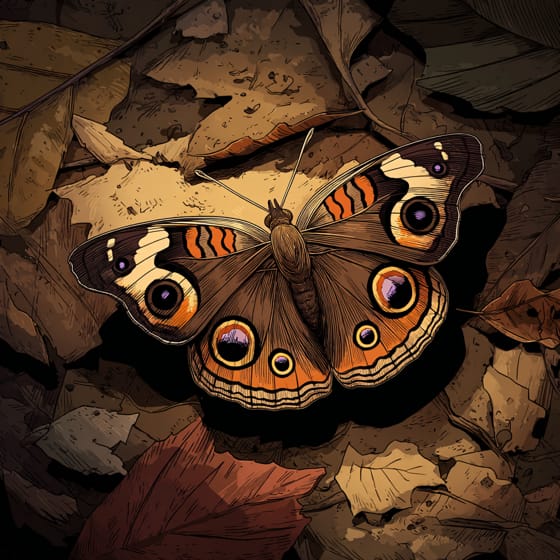
Junonia coenia
Larval host plant whose leaves provide nutrition for caterpillars.
Apis mellifera
Attracts these pollinators to feed on its nectar, assisting in flower pollination.

Odocoileus virginianus
Forages on the plant foliage, though the rough texture makes it a secondary choice.
No trait badges are assigned for this object yet.
No aliases listed yet.
Collections for this object will appear here as more themes are added.
Danger
1/5 · Very low
No special safety notes yet.
The easiest way to identify Texas Vervain is to use the Snappit nature identifier app.
30-90 cm
2-5 years
Absorbs sunlight, water, and carbon dioxide to produce glucose via photosynthesis, supplemented by minerals absorbed from the soil.
Found in open grasslands, pastures, disturbed fields, and along dry roadsides, typically thriving in sandy, loamy, or limestone soils.
Photosynthesis
14-28 days
Zoom in to split clusters and explore where this object has been snapped.
Take the discovery with you
Snap it with Snappit to identify it, learn what makes it special, and add the discovery to your collection.













.jpg&width=800)



_001.jpg&width=800)




