





Tree Pipit
Anthus trivialis
The Tree Pipit is a small bird that loves to sing from the tops of trees. It has a lovely brown color and can be found hopping around in grassy areas, making it a cheerful sight in nature.
Habitat: Forests and grasslands
The Tree Pipit is a small, streaky brown bird with a buffy breast featuring dark streaks. It has a pale supercilium (eyebrow stripe) and pinkish-yellow legs. Its fine flank streaking and slightly chunkier bill help differentiate it from similar pipits.
Category
BirdsRarity
Common
Danger
1/5 · Very low
Snaps
Be the first to snap!
Sometimes, they build nests hidden perfectly under a tussock of grass.
Their unique parachute song flight ends with a gentle glide to a perch!
They often sing different parts of their song in flight and from a perch.
Tree Pipits migrate all the way from Europe to Africa each year.
Tree Pipit can sing a complex, buzzing song while parachuting down, showcasing its vocal and aerial agility to attract mates.
Tree Pipit has camouflaged, cup-shaped nests hidden on the ground, helping them protect eggs and chicks from predators.
Tree Pipit can fly thousands of kilometers between continents, helping it find warm wintering grounds and abundant food.
These birds eat a variety of insects, spiders, and some seeds for energy.

Accipiter nisus
agilely catches small birds
Formica rufa
a common insect prey
Agriotes lineatus
larvae and adults are prey
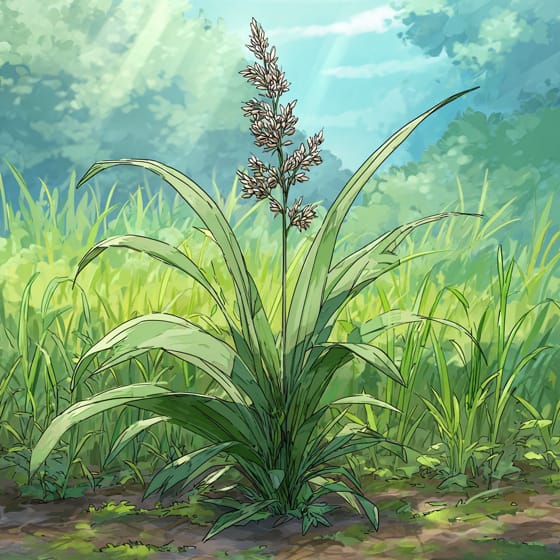
Dactylis glomerata
seeds provide essential sustenance
Feathered describes animals, primarily birds, possessing a covering of feathers.
Social animals live in organized groups, cooperating for survival benefits such as foraging, defense, and raising offspring.
Singing animals produce complex vocalizations, often for purposes of attracting mates, defending territory, or communicating within their species.
Grassland habitats are terrestrial biomes dominated by grasses and herbaceous plants, supporting a variety of grazing animals.

This trait identifies organisms whose diet primarily consists of insects and other small invertebrates.

Forest habitats are terrestrial environments dominated by dense tree cover, supporting a high diversity of plant and animal life.

Diurnal animals are primarily active during daylight hours, typically resting or sleeping at night.

Migratory animals undertake seasonal movements from one region to another, typically in response to changes in climate or food availability.
No aliases listed yet.
Danger
1/5 · Very low
Always watch birds from a distance and don't try to touch them.
The easiest way to identify Tree Pipit is to use the Snappit nature identifier app.
14-16 cm
25-27 cm
0.018-0.029 kg
2-5 years
45 km/h
These birds eat a variety of insects, spiders, and some seeds for energy.
Forests and grasslands
Zoom in to split clusters and explore where this object has been snapped.
Recent snaps will appear here as new observations are added.
Take the discovery with you
Snap it with Snappit to identify it, learn what makes it special, and add the discovery to your collection.




.jpg&width=800)







