





Eurasian Sparrowhawk
Accipiter nisus
The Eurasian Sparrowhawk is a small bird of prey that loves to hunt. With its sharp eyes and quick wings, it can swoop down to catch its favorite meals, like small birds.
Habitat: Forests
The Eurasian Sparrowhawk has short, broad, rounded wings and a relatively long tail, perfect for agile flight. Males are slate-grey above with rufous-barred underparts, while females are browner with grey barring. Both possess bright yellow or orange eyes.
Category
BirdsRarity
Common
Danger
2/5 · Low
Snaps
Be the first to snap!
Female sparrowhawks are much larger than males, sometimes weighing twice as much!
Sparrowhawks build messy nests high in trees using twigs and branches.
Their bright yellow or orange eyes provide super sharp vision for hunting.
They mostly hunt other birds, often catching them in mid-flight!
Eurasian Sparrowhawk can weave through dense trees at high speed because of its short, rounded wings that provide incredible agility.
Eurasian Sparrowhawk has exceptional stealth and uses ambush tactics that help them catch unsuspecting birds by surprise.
Eurasian Sparrowhawk can spot tiny movements from far away because of its keen eyesight that helps pinpoint small prey.
These fierce hunters mainly eat small to medium-sized birds they catch by surprise!
Age differences: Young chicks are fed by parents; juveniles gradually learn to hunt on increasingly larger prey as they mature.
%2C_Parc_de_Woluw%C3%A9%2C_Brussels_(13042792905).jpg&width=800)
Parus major
A common prey item in woodlands.
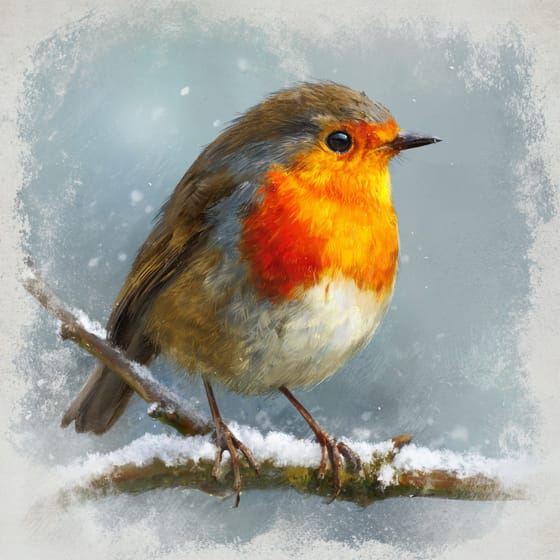
Erithacus rubecula
Frequently preys on these small garden birds.
Bubo bubo
Larger raptors can prey on younger sparrowhawks.

Pinus sylvestris
Often nests in the crowns of mature conifers.
Feathered describes animals, primarily birds, possessing a covering of feathers.
Marked with parallel bands or lines of color.
Aerial creatures spend a significant portion of their lives airborne, utilizing flight for various activities such as hunting, migration, or nesting.
Camouflaged describes organisms that possess coloring or patterns that allow them to blend into their environment.

An ambush predator hunts by patiently waiting and concealing itself, then launching a sudden attack when unsuspecting prey comes within range.

Forest habitats are terrestrial environments dominated by dense tree cover, supporting a high diversity of plant and animal life.

This trait identifies organisms whose diet consists entirely or primarily of animal tissue.

Diurnal animals are primarily active during daylight hours, typically resting or sleeping at night.

This trait identifies organisms that exhibit exceptional swiftness in movement for hunting, escape, or travel.
No aliases listed yet.
Danger
2/5 · Low
Watch birds from a distance and never try to touch or catch them.
The easiest way to identify Eurasian Sparrowhawk is to use the Snappit nature identifier app.
29-41 cm
59-80 cm
0.11-0.342 kg
3-12 years
70 km/h
These fierce hunters mainly eat small to medium-sized birds they catch by surprise!
Forests
Zoom in to split clusters and explore where this object has been snapped.
Recent snaps will appear here as new observations are added.
Take the discovery with you
Snap it with Snappit to identify it, learn what makes it special, and add the discovery to your collection.




.jpg&width=800)






