





Cliff Swallow
Petrochelidon pyrrhonota
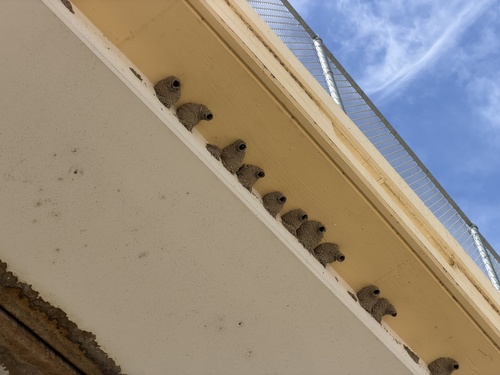
Cliff Swallows are small birds that build their homes under cliffs and bridges. They have beautiful, colorful feathers and love to fly around catching insects in the air.
Habitat: Coastal areas, Urban areas
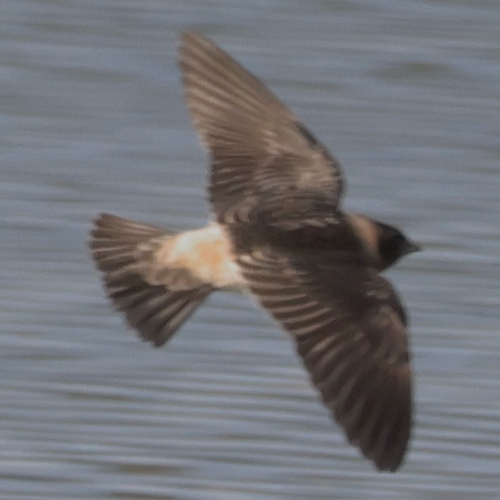
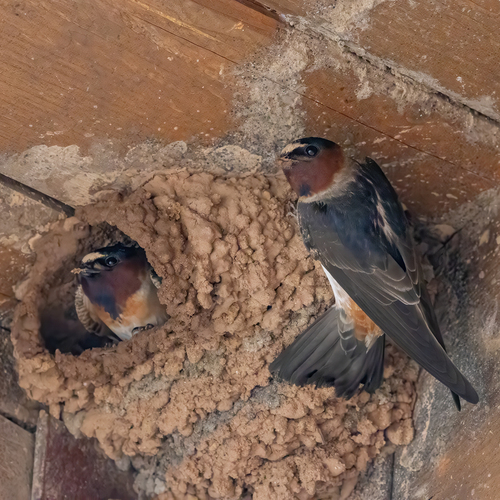
The Cliff Swallow has an iridescent blue-black back, buffy-white belly, and a distinctive white forehead patch. Its throat and cheeks are cinnamon-rufous. They also have a squared-off tail, unlike the deeply forked tail of many other swallows.
Category
BirdsRarity
Common
Danger
1/5 · Very low
Snaps
61
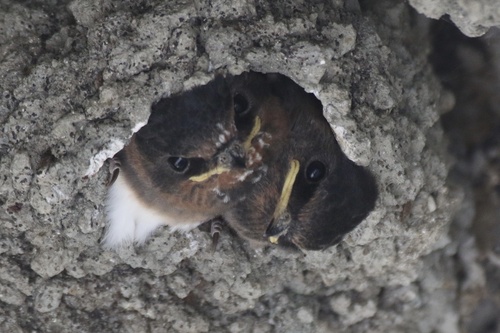
Some colonies have over 1000 nests packed together, a real bird city!
Their nests can weigh more than 500 grams, like a small brick!
These birds line their mud nests with feathers to make them super cozy inside.
They fly thousands of miles from North America to South America every year!
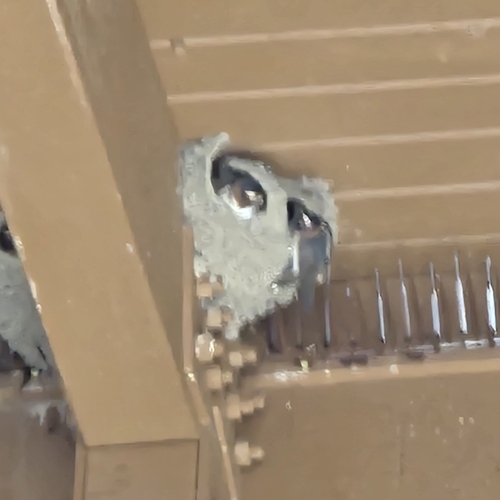
Cliff Swallows can build intricate mud nests using sticky saliva that helps bind the mud together.
Cliff Swallows have huge colonies, sometimes with thousands of nests, which helps them stay safe from predators.
Cliff Swallows can catch flying insects mid-air with agility due to their sleek bodies and pointed wings.
Cliff Swallows have a wide mouth that helps them scoop up many tiny flying insects while flying.
They zoom through the air, catching tiny flying insects like flies and beetles!
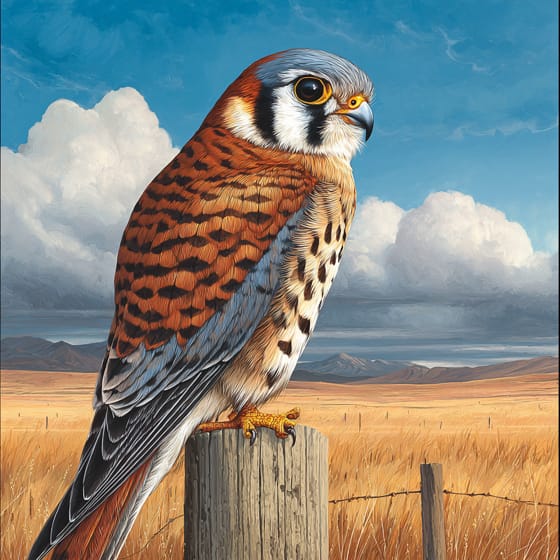
Falco sparverius
This raptor swoops down to catch adult swallows.
Cimex hirundinis
A tiny insect that feeds on their blood in nests.
Musca domestica
A common insect that Cliff Swallows catch in flight.
Thamnophis sirtalis
This snake can climb cliffs to eat eggs and chicks.
Feathered describes animals, primarily birds, possessing a covering of feathers.
Social animals live in organized groups, cooperating for survival benefits such as foraging, defense, and raising offspring.
Colorful describes organisms or objects displaying a wide range of bright and distinct colors.
This trait identifies organisms whose diet primarily consists of insects and other small invertebrates.

Coastal habitats are dynamic environments located along the interface between land and sea, influenced by tides, waves, and saltwater.

Diurnal animals are primarily active during daylight hours, typically resting or sleeping at night.

Describes a species whose presence and role have a disproportionately large effect on its environment.

This trait identifies organisms that exhibit exceptional swiftness in movement for hunting, escape, or travel.

Migratory animals undertake seasonal movements from one region to another, typically in response to changes in climate or food availability.

This habitat trait indicates species that can coexist with humans in urban and suburban environments, utilizing man-made structures and green spaces.
Danger
1/5 · Very low
Watch these birds from a distance and don't disturb their nests.
The easiest way to identify Cliff Swallow is to use the Snappit nature identifier app.
13-15 cm
30-33 cm
0.02-0.027 kg
2-6 years
48 km/h
They zoom through the air, catching tiny flying insects like flies and beetles!
Coastal areas, Urban areas
Zoom in to split clusters and explore where this object has been snapped.
Jun 19, 2026
Palo Alto Baylands Nature PreservePhoto attribution
no rights reserved
License: CC0 1.0 ↗
Image may be shown cropped inside the card frame.
Jun 6, 2026
ProfessorvillePhoto attribution
(c) Cricket Raspet, some rights reserved (CC BY)
License: CC BY 4.0 ↗
Image may be shown cropped inside the card frame.
May 23, 2026
Fort McIntoshPhoto attribution
(c) Ian McFaul, some rights reserved (CC BY)
License: CC BY 4.0 ↗
Image may be shown cropped inside the card frame.
May 18, 2026
International Crane FoundationPhoto attribution
(c) Dan Vickers, some rights reserved (CC BY)
License: CC BY 4.0 ↗
Image may be shown cropped inside the card frame.
May 18, 2026
James Cant RanchPhoto attribution
(c) John Clonce, some rights reserved (CC BY)
License: CC BY 4.0 ↗
Image may be shown cropped inside the card frame.

Arkansas, US
You might spot Widow's-Cross, Yucca Giant-Skipper, and Outis Skipper.
View guide →

North Carolina, US
You might spot Northern Cardinal, Carolina Wren, and Tufted Titmouse.
View guide →

Alaska, US
You might spot Cliff Swallow, Pretty Jacob's-Ladder, and Dwarf Fireweed.
View guide →

South Carolina, US
You might spot Anole, Asian Lady Beetle, and Gulf Fritillary.
View guide →

New Jersey, US
You might spot Monarch, Great Blue Heron, and American Robin.
View guide →
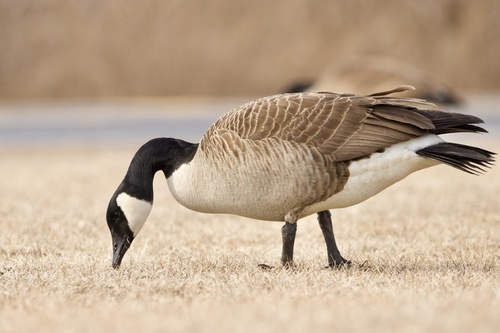
Illinois, US
You might spot Canada Goose, House Sparrow, and Rock Pigeon.
View guide →
Take the discovery with you
Snap it with Snappit to identify it, learn what makes it special, and add the discovery to your collection.




.jpg&width=800)







