





true sedges
Carex
True sedges are grassy plants that often grow in wet places like marshes and along rivers. They have long, slender leaves and can be very helpful for animals and people alike.
Habitat: Wetlands
The true sedges has often triangular, solid stems, unlike the round, hollow stems of grasses. Its long, narrow leaves can range from vibrant green to blue-green or even reddish hues. Small, inconspicuous flower spikes emerge, often brown or green, clustering at the stem's tip.
Category
PlantsRarity
Common
Danger
1/5 · Very low
Snaps
Be the first to snap!
Ancient people wove tough sedge leaves into mats, baskets, and even shoes!
Many true sedges are 'cool-season' plants, meaning they grow best in chillier weather.
Some sedges create tussocks, like mini islands, providing safe homes for small animals.
With over 2,000 species, true sedges are one of the biggest plant groups on Earth!
True sedges can grow deep, fibrous roots that help it hold soil in place and prevent erosion, especially along water bodies.
Some true sedges grow in dense clumps called tussocks, which help them survive in wet, unstable environments.
True sedges has special adaptations that allow it to thrive in waterlogged soils where many other plants cannot grow.
Microtus pennsylvanicus
eats leaves and stems
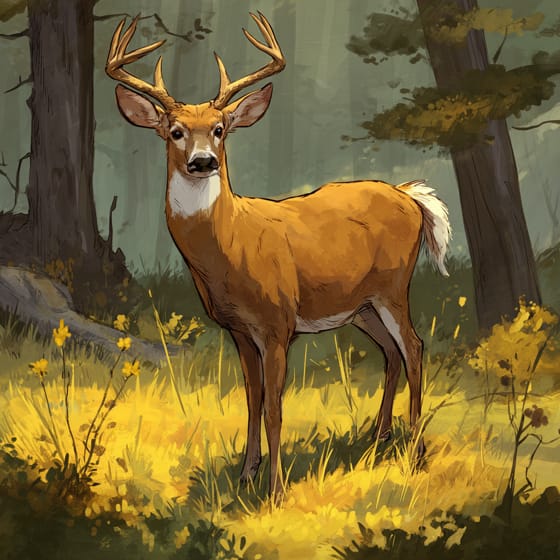
Odocoileus virginianus
browses on sedge foliage
Anas platyrhynchos
consumes sedge seeds
Flowering plants are any plants that produce flowers as part of their reproductive cycle.
Grass-like plants are herbaceous plants that visually resemble true grasses, typically having long, narrow leaves.
Evergreen plants retain their foliage throughout the year, never shedding all their leaves at once.
Describes plants that are particularly attractive and beneficial to a wide range of pollinating organisms.

This habitat trait identifies species found in wetlands, which are areas of land saturated with water, either permanently or seasonally, including marshes, swamps, and bogs.

Freshwater habitats include non-saline aquatic environments such as rivers, lakes, ponds, and wetlands, vital for numerous species.

Describes a species whose presence and role have a disproportionately large effect on its environment.
No aliases listed yet.
Danger
1/5 · Very low
Always stay on paths when exploring wetlands and don't touch plants without asking an adult.
The easiest way to identify true sedges is to use the Snappit nature identifier app.
10-150 cm
15-100 cm
0.1-0.5 cm
Spring to early summer
No
None
Perennial
Zoom in to split clusters and explore where this object has been snapped.
Recent snaps will appear here as new observations are added.

Pennsylvania, US
You might spot New York Fern, Common Milkweed, and True Sedges.
View guide →
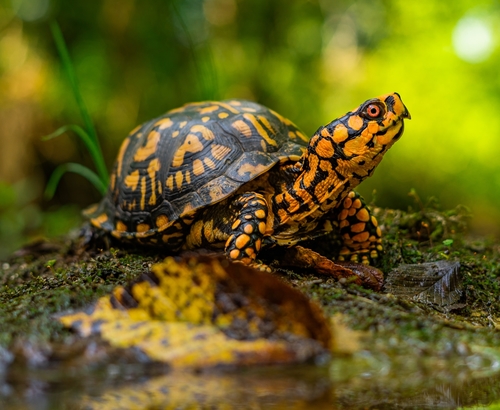
Virginia, US
You might spot Eastern Box Turtle, True Sedges, and True Lilies.
View guide →

British Columbia, CA
You might spot Sitka Valerian, Leafy Aster, and Pearly Everlasting.
View guide →
Take the discovery with you
Snap it with Snappit to identify it, learn what makes it special, and add the discovery to your collection.








.jpg&width=800)



_001.jpg&width=800)



