





Tuliptree scale
Toumeyella liriodendri
The Tuliptree scale is a tiny insect that lives on tulip trees. It has a soft, waxy covering that helps protect it from the weather and predators.
Habitat: Forests
The Tuliptree scale is a large, brown, hemispherical insect that looks like a small, smooth cap attached to branches. Its mottled, waxy body allows it to blend in with tree bark. Adult females are wingless and much larger than the tiny, winged males.
Category
InsectsRarity
Common
Danger
1/5 · Very low
Snaps
Be the first to snap!
Heavily infested trees can drip sticky honeydew, making it seem like it's raining!
It is the largest soft scale insect found in North America!
Males are so tiny and short-lived, they are almost never seen.
Young scales overwinter as tiny, flat nymphs, hidden on tree branches.
Tuliptree scale can pierce tree bark with specialized mouthparts to continuously suck nourishing sap.
This insect excretes a sugary liquid called honeydew that attracts ants and provides a food source for other insects.
Tuliptree scales have a tough, waxy body that provides protection from predators and environmental stress.
This insect feeds exclusively on tree sap, which provides all its nutrients.
Liriodendron tulipifera
Feeds on the tree's phloem sap, often causing damage.
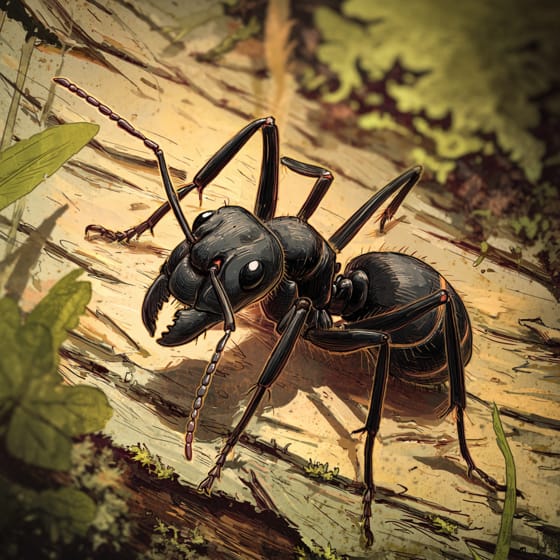
Camponotus pennsylvanicus
Gathers sugary honeydew, sometimes protecting the scales from predators.
Encyrtus toumeyellae
Larvae develop inside the scale, eventually killing it.
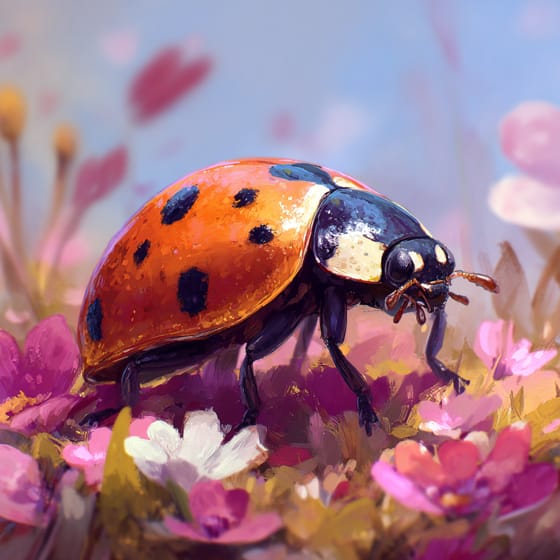
Harmonia axyridis
Adults and larvae actively prey on scale insects.
Solitary animals live alone for most of their lives, only interacting with others for mating or parental care.
This trait characterizes organisms whose diet consists entirely or primarily of plant material.
Describes plants that are particularly attractive and beneficial to a wide range of pollinating organisms.
Describes a relationship between two different species where they live in close association, often benefiting one or both.

Forest habitats are terrestrial environments dominated by dense tree cover, supporting a high diversity of plant and animal life.

Pertaining to species that are significantly smaller than typical or average for their kind.
No aliases listed yet.
Danger
1/5 · Very low
Always wash your hands after touching plants or insects.
The easiest way to identify Tuliptree scale is to use the Snappit nature identifier app.
5-8.5 mm
30-365 days
This insect feeds exclusively on tree sap, which provides all its nutrients.
Forests
6
Zoom in to split clusters and explore where this object has been snapped.
Recent snaps will appear here as new observations are added.
Take the discovery with you
Snap it with Snappit to identify it, learn what makes it special, and add the discovery to your collection.








.jpg&width=800)



