





Asian Lady Beetle
Harmonia axyridis
The Asian Lady Beetle has a similar look to the common ladybug but can have many different colors and patterns. They are also good at controlling pests!
Habitat: Fields, gardens, and homes
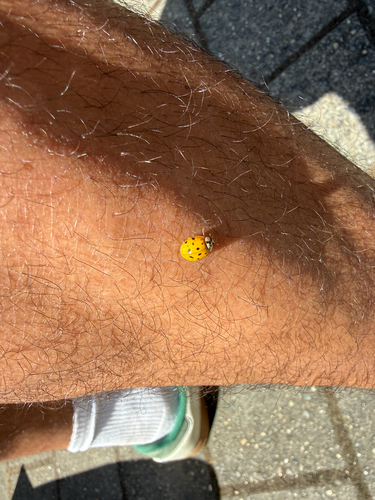
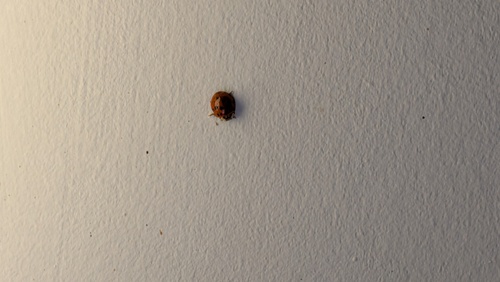
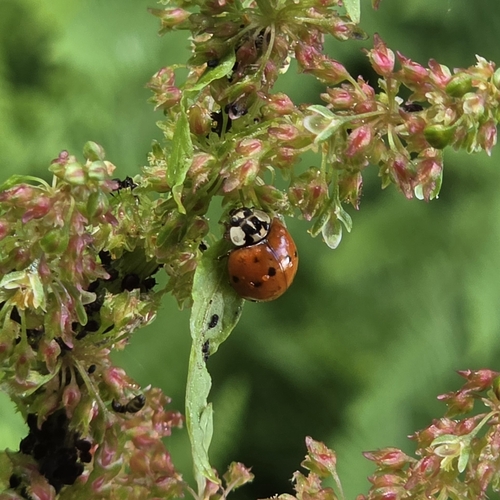
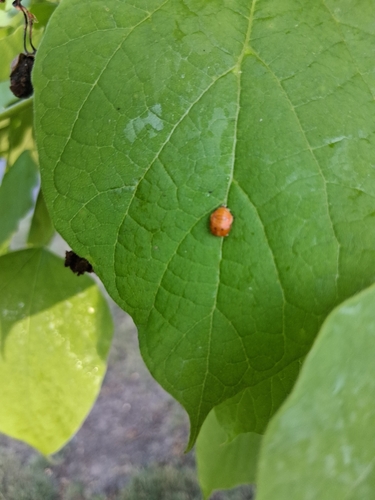
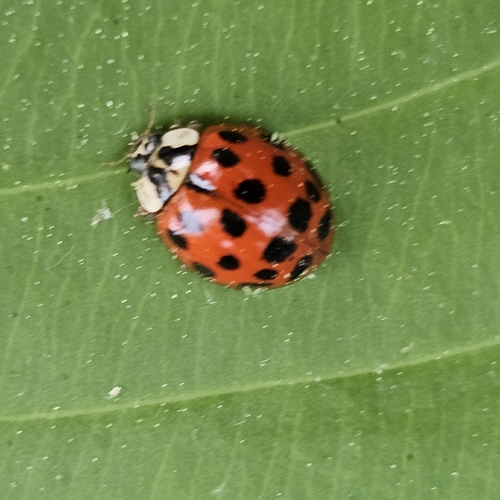
The Asian Lady Beetle is a small, dome-shaped insect, typically bright orange or red with varying numbers of black spots, though some are black with red spots or unspotted. It can be visually distinguished by an 'M' or 'W' shaped marking on its white or cream-colored pronotum behind its head.
Category
InsectsRarity
Common
Danger
2/5 · Low
Snaps
1,058
Adults can live for up to a year, hiding during winter!
One beetle can devour thousands of tiny garden pests in its lifetime!
Their larvae look like tiny, spiky alligators or crocodiles!
They were introduced to many countries to control garden aphids.
Asian Lady Beetle can ooze a foul-smelling yellow fluid from its legs that helps them deter hungry predators.
Asian Lady Beetle can gather in large groups in sheltered spots that helps them survive winter by staying warm.
Asian Lady Beetle has a huge appetite that helps them quickly devour garden pests like aphids, protecting plants.
Asian Lady Beetle can fly quickly and efficiently that helps them search for food and find new habitats.
These beetles are bug-eaters, feasting on small garden pests to help plants grow!
Age differences: Larvae are strictly carnivorous, while adults may also sip nectar and pollen.
Aphis gossypii
A primary food source for both larvae and adults.
Myzus persicae
Feasts on these common agricultural pests.
Dinocampus coccinellae
Lays an egg inside the beetle, developing internally.
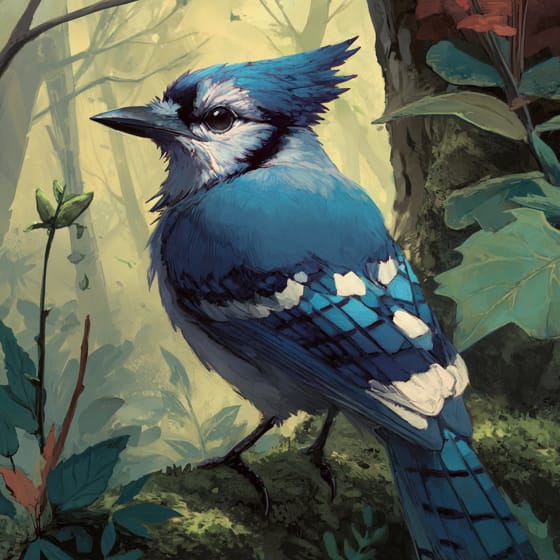
Cyanocitta cristata
Birds might opportunistically eat them despite their defenses.
Wildlife encompasses all undomesticated animal and plant life existing in their natural habitats.
Aerial creatures spend a significant portion of their lives airborne, utilizing flight for various activities such as hunting, migration, or nesting.
Colorful describes organisms or objects displaying a wide range of bright and distinct colors.
This trait identifies organisms whose diet primarily consists of insects and other small invertebrates.

Diurnal animals are primarily active during daylight hours, typically resting or sleeping at night.

This habitat trait indicates species that can coexist with humans in urban and suburban environments, utilizing man-made structures and green spaces.

Invasive species are non-native organisms that cause harm to the environment, economy, or human health.

Describes organisms that transfer pollen, enabling the fertilization and reproduction of plants.
Danger
2/5 · Low
Do not touch or pick up. Some insects sting or bite. Ask an adult for help.
The easiest way to identify Asian Lady Beetle is to use the Snappit nature identifier app.
10-16 mm
5-8 mm
30-365 days
15 km/h
These beetles are bug-eaters, feasting on small garden pests to help plants grow!
Fields, gardens, and homes
Foraging
Zoom in to split clusters and explore where this object has been snapped.
Jun 19, 2026
Pike Place MarketPhoto attribution
(c) Max Miley, some rights reserved (CC BY)
License: CC BY 4.0 ↗
Image may be shown cropped inside the card frame.
Jun 18, 2026
Cleveland ParkPhoto attribution
(c) Martin Kalfatovic, some rights reserved (CC BY)
License: CC BY 4.0 ↗
Image may be shown cropped inside the card frame.
Jun 17, 2026
Rockdale Common Housing DistrictPhoto attribution
(c) Betsy Lambert, some rights reserved (CC BY)
License: CC BY 4.0 ↗
Image may be shown cropped inside the card frame.
Jun 16, 2026
East Windsor Hill Historic DistrictPhoto attribution
(c) Mark Apgar, some rights reserved (CC BY)
License: CC BY 4.0 ↗
Image may be shown cropped inside the card frame.
Jun 10, 2026
Rockdale Common Housing DistrictPhoto attribution
(c) Betsy Lambert, some rights reserved (CC BY)
License: CC BY 4.0 ↗
Image may be shown cropped inside the card frame.

Virginia, US
You might spot Cope's Gray Tree Frog and Basilica Orbweaver.
View guide →

Ohio, US
You might spot Eastern Fox Squirrel and Spotted Lanternfly.
View guide →

Tennessee, US
You might spot House Sparrow, Northern Mockingbird, and Gulf Fritillary.
View guide →

Georgia, US
You might spot Common Vetch, Tiny Bluet, and Carolina Crane's-Bill.
View guide →

Massachusetts, US
You might spot Eastern Cottontail and American Robin.
View guide →

South Carolina, US
You might spot American Alligator, Anole, and Great Blue Heron.
View guide →
Take the discovery with you
Snap it with Snappit to identify it, learn what makes it special, and add the discovery to your collection.








.jpg&width=800)



