




Carpenter Ant
Camponotus pennsylvanicus
Carpenter ants are large black or reddish ants that love to chew on wood. They make their homes in dead trees and wooden structures.
Habitat: Wooded areas and buildings
The Carpenter Ant has a robust, often black or reddish-black body with a distinct single node (waist) between its thorax and abdomen. Its large size, compared to many other ants, and lack of a stinger helps differentiate it. It also has a round, evenly arched thorax.
Category
InsectsRarity
Common
Danger
2/5 · Low
Snaps
Be the first to snap!
Carpenter ants often 'milk' tiny insects called aphids for a sweet liquid treat called honeydew!
If you disturb their nest, they might spray a defensive acid, which helps protect their colony!
Queens can live for an astonishing 15 to 20 years, making them tiny ant royalty!
They don't eat the wood they tunnel through; they just spit it out to make their cozy homes!
Carpenter Ant can tunnel intricate nests in wood using strong mandibles that help them create shelter for their large colony.
Carpenter Ant has a love for sugary liquids, which helps them find energy-rich food sources from plants and insects.
Carpenter Ant can leave invisible scent trails using pheromones that help their colony find food and navigate efficiently.
These omnivores enjoy sugary liquids and protein from other insects to fuel their busy lives.

Aphis nerii
They 'farm' aphids for their sweet honeydew.
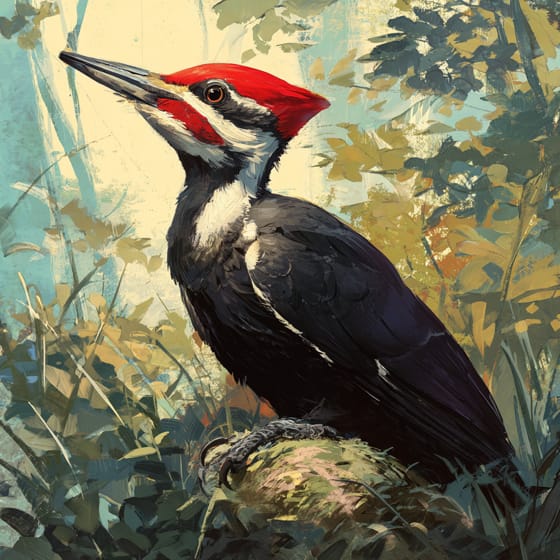
Dryocopus pileatus
Woodpeckers feast on carpenter ants from nests.
Ophiocordyceps unilateralis
This fungus turns ants into 'zombies' before killing them.
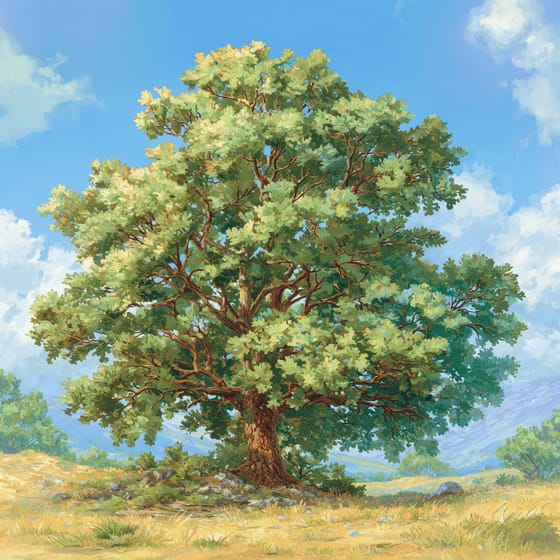
Quercus alba
Builds nests inside dead or decaying wood from trees.
Wildlife encompasses all undomesticated animal and plant life existing in their natural habitats.
Social animals live in organized groups, cooperating for survival benefits such as foraging, defense, and raising offspring.
This trait identifies organisms whose diet includes both plant and animal matter.
This trait describes organisms that manipulate external objects to achieve a specific goal.

Forest habitats are terrestrial environments dominated by dense tree cover, supporting a high diversity of plant and animal life.

Nocturnal animals are primarily active during the nighttime hours, typically resting or sleeping during the day.
Danger
2/5 · Low
Do not touch or pick up. Some insects sting or bite. Ask an adult for help.
The easiest way to identify Carpenter Ant is to use the Snappit nature identifier app.
20-35 mm
6-12 mm
365-1095 days
These omnivores enjoy sugary liquids and protein from other insects to fuel their busy lives.
Wooded areas and buildings
Foraging
6
Zoom in to split clusters and explore where this object has been snapped.
Recent snaps will appear here as new observations are added.
Take the discovery with you
Snap it with Snappit to identify it, learn what makes it special, and add the discovery to your collection.









.jpg&width=800)



