





Violet ground beetle
Carabus violaceus
The Violet Ground Beetle is a shiny, purple insect that loves to hide under leaves and rocks. It helps keep gardens healthy by eating pests like slugs and snails.
Habitat: Grasslands
The Violet ground beetle has a distinctive iridescent purple or blue-black body with a smooth, elongated oval shape. Its wing cases are fused, giving it a sleek appearance, often with a metallic sheen along the edges.
Category
InsectsRarity
Common
Danger
1/5 · Very low
Snaps
Be the first to snap!
It's a flightless beetle, but it can still cover impressive distances on foot!
Its shimmering violet color comes from light scattering, not pigments!
Some ground beetles have been found living over 3,000 meters high!
This beetle is a natural pest controller, helping gardens by eating slugs!
Violet ground beetle can run extremely fast because of its powerful legs that help it chase prey and escape predators.
Violet ground beetle can spray irritating chemicals from its rear to deter attackers, protecting itself from predators.
Violet ground beetle has excellent night vision and senses that help them hunt small creatures in the dark.
This beetle is a hungry hunter, feasting on small garden pests and slugs!
Arion rufus
Relies on it as a primary food source in gardens.
Turdus merula
Beetles are a food source for birds and small mammals.
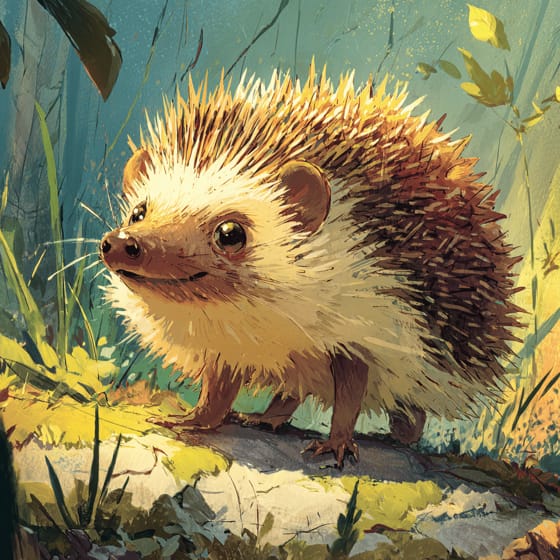
Erinaceus europaeus
Hedgehogs are predators of ground beetles in gardens.
Solitary animals live alone for most of their lives, only interacting with others for mating or parental care.
Camouflaged describes organisms that possess coloring or patterns that allow them to blend into their environment.
Colorful describes organisms or objects displaying a wide range of bright and distinct colors.
Grassland habitats are terrestrial biomes dominated by grasses and herbaceous plants, supporting a variety of grazing animals.

This trait identifies organisms whose diet primarily consists of insects and other small invertebrates.

Describes organisms that break down dead organic material, recycling nutrients back into the ecosystem.

This trait identifies organisms that exhibit exceptional swiftness in movement for hunting, escape, or travel.

Nocturnal animals are primarily active during the nighttime hours, typically resting or sleeping during the day.
No aliases listed yet.
Danger
1/5 · Very low
These beetles are harmless, but it's best to watch them from a distance.
The easiest way to identify Violet ground beetle is to use the Snappit nature identifier app.
20-30 mm
365-1095 days
This beetle is a hungry hunter, feasting on small garden pests and slugs!
Grasslands
Pursuit
6
Zoom in to split clusters and explore where this object has been snapped.
Recent snaps will appear here as new observations are added.
Take the discovery with you
Snap it with Snappit to identify it, learn what makes it special, and add the discovery to your collection.








.jpg&width=800)



