American Toad
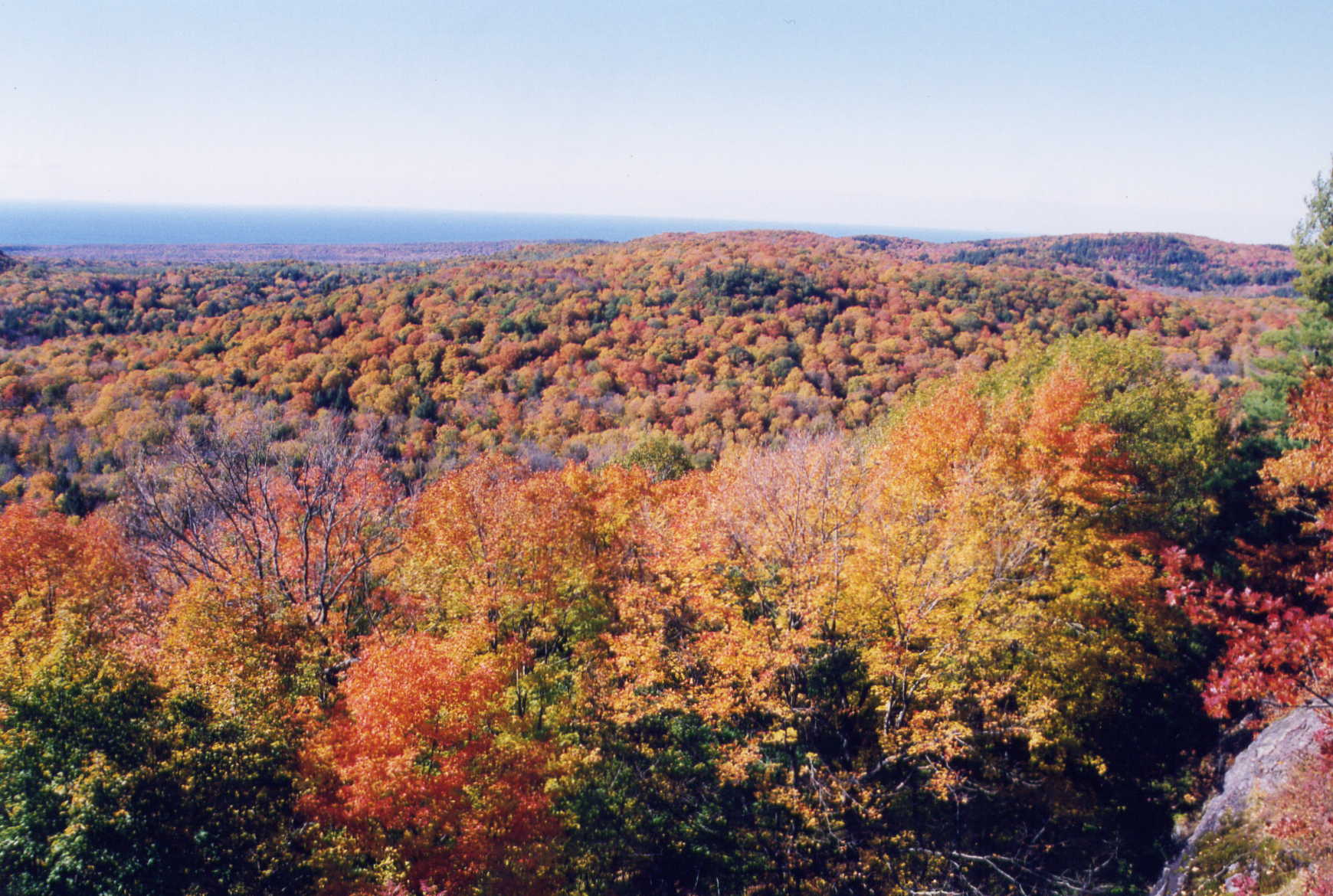
Craig Lake State Park, nestled in Michigan's remote Upper Peninsula, offers an unparalleled wilderness experience across more than 9,700 acres.
Craig Lake State Park, nestled in Michigan's remote Upper Peninsula, offers an unparalleled wilderness experience across more than 9,700 acres. Esteemed as the most remote state park in Michigan, it promises solitude and an authentic connection with nature. Its rugged landscape, encompassing six pristine lakes—including the eponymous Craig Lake with its granite bluffs and islands—diverse forestland, and extensive trail system, makes it a true haven for adventurers seeking an escape from the everyday.
The park's unique charm lies in its untouched habitats, ranging from old-growth hemlock forests to granite glades, which support an impressive array of flora and fauna. Visitors exploring the over 15 miles of trails, including an 8-mile loop around Craig Lake and a significant section of the North Country Trail, might be rewarded with sightings of elusive Moose, Gray Wolves, and American Martens. The tranquil waters are home to Painted Turtles and aquatic plants like the American white waterlily and Variegated Yellow Pond-Lily, while the forests boast species such as Canadian bunchberry, Ghost Pipe, and the ancient Tree Lungwort.
Craig Lake State Park is a profound destination for those yearning to disconnect and immerse themselves in the raw beauty of the Michigan wilderness. Its challenging access, which often necessitates a high-clearance, four-wheel-drive vehicle, only adds to its allure, ensuring a more secluded and rewarding adventure for those who make the journey. Whether you're paddling across a serene lake, hiking through diverse ecosystems, or simply enjoying the quietude of a rustic campsite, the opportunity to observe abundant wildlife and witness the unspoiled natural splendor will create lasting memories. Wondering what that bird or insect is? Find out on your visit using the Snappit nature app.
Craig Lake State Park was officially established in 1971. A significant portion of its land was once the private wilderness retreat of Frederick Miller, the founder of the Miller Brewing Company. Miller constructed cabins that are still in use today and famously named three of the park's six lakes after his children: Teddy, Craig, and Claire. Following Miller's death in a plane crash in 1954, the state of Michigan acquired over 2,000 acres from his estate in 1956, laying the groundwork for the park's creation. More recently, in 2022, the park expanded further with the generous gift of nearly 1,300 acres from the U.P. Land Conservancy, encompassing the pristine Peshekee Headwaters Nature Preserve.
Engage in hiking, backpacking, canoeing, kayaking, and fishing (note: special artificial-lure-only regulations apply). Wildlife watching and birdwatching are popular, with chances to spot various species. Mountain biking, hunting, and metal detecting are also permitted. In winter, activities shift to cross-country skiing, snowshoeing, snowmobiling, and ice fishing.
Spring/Fall: Expect muddy and rough road conditions, making high-clearance and 4WD vehicles essential. Moose are active, but insects can be a nuisance.
Summer: Ideal for full park access and warm-weather activities.
Winter (November-mid-May): Vehicle access roads are closed and unplowed. The park is only accessible via hiking, snowshoeing, cross-country skiing, or snowmobiling. Trails are not groomed.
Craig Lake State Park is inherently rugged and offers very limited accessibility features. Access to the park entrance requires a high-clearance, four-wheel-drive vehicle due to the rough, unpaved road. Most camping is hike-in or paddle-in only. While yurts and cabins are available, they lack running water and electricity. There is an accessible boating access site located on Keewaydin Lake.
The six interconnected lakes, particularly Craig Lake with its granite bluffs; the extensive network of hiking trails, including the 8-mile Craig Lake Loop and sections of the North Country Trail; and abundant wildlife viewing opportunities, especially for Moose.
Each card links to a full Explore page with photos, traits, and fun facts.
Start with the big picture, then zoom in to explore individual wildlife observations around this place.
Vehicle Preparedness
Due to the 8-mile rough access road, a vehicle with high-ground clearance and four-wheel drive is strongly recommended. The road can be challenging, especially during wet seasons.
Bear Safety
Black bears are common in the park. Always store food and scented items in a suspended bear bag, at least 12 feet above the ground and away from tree trunks, and never cook or store food inside your tent.
Water Management
Potable water is scarce. Plan to bring all necessary drinking water, or be prepared to filter, boil, or chemically treat water sourced from the lakes. A hand pump for potable water is available only near the large cabin, about 2 miles from the parking area.
Stay Connected (Loosely)
Cell phone service is limited to non-existent. Inform a trusted person of your itinerary and expected return time before entering the park.
Know Fishing Regulations
The lakes within Craig Lake State Park have special fishing regulations, primarily allowing only artificial lures and prohibiting live or dead bait. Check the Michigan Fishing Guide before your visit.
Insect Protection
Expect significant insect activity, particularly mosquitoes and black flies, during the warmer months. Pack appropriate repellents, head nets, and protective clothing.
Aug 12, 2020
Aug 11, 2020

Maryland, US
You might spot White-Tailed Deer and Eastern Gray Squirrel.
View guide →
.jpg)
District of Columbia, US
You might spot Eastern Gray Squirrel, Duck, and House Sparrow.
View guide →

Illinois, US
You might spot American Robin, Canada Goose, and House Sparrow.
View guide →

Virginia, US
You might spot Spotted Lanternfly and Northern Cardinal.
View guide →
Take the discovery with you
Identify the wildlife you spot, learn as you go, and keep a collection of the adventure.