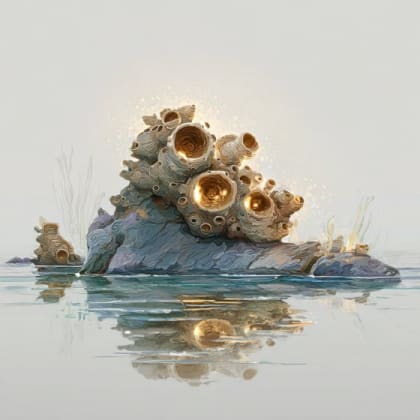
Western Banded Tigersnail
Anguispira occidentalis
The Western Banded Tigersnail is a colorful snail with beautiful stripes! It loves to crawl slowly through gardens and forests, munching on leaves and plants.
Habitat: Forests
The Western Banded Tigersnail has a flattened, spiral shell, typically 15-25mm wide, with distinct reddish-brown stripes or bands on a yellowish or cream background. Its shell texture is subtly ribbed, giving it a slightly bumpy appearance compared to smoother snails.
Category
InvertebrateRarity
Common
Danger
1/5 · Very low
Snaps
Be the first to snap!
Even without ears, the tigersnail can sense vibrations in the ground!
It's like a tiny vacuum cleaner, munching on dead leaves to keep forests clean!
Its unique shell stripes are like fingerprints; no two snails are exactly alike!
This snail actually 'tastes' its world using tiny feelers on its head!
Western Banded Tigersnail has a striped shell that helps them blend into dappled forest floors, making them harder for predators to spot.
Western Banded Tigersnail can produce a slime trail because of special glands that helps them glide smoothly over rough terrain and leave scent markers.
Western Banded Tigersnail can seal itself inside its shell because of a mucus plug that helps them survive dry, hot periods by preventing water loss.
This snail mostly eats decomposing plants and fungi, helping to recycle nutrients!
Sorex cinereus
Shrews prey on snails, crushing their shells.
Thamnophis sirtalis
Garter snakes consume snails as part of their diet.
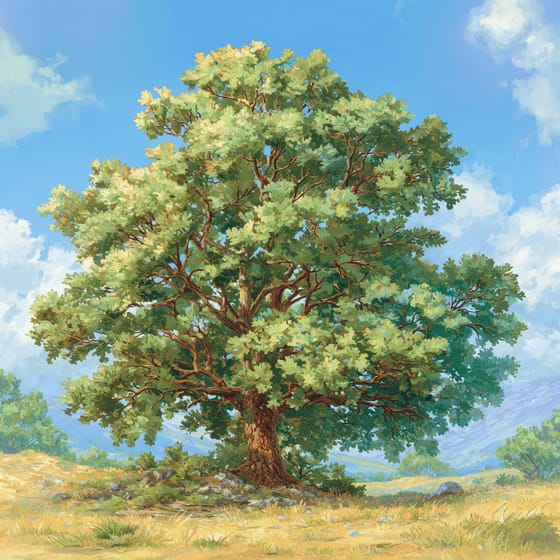
Quercus alba
Relies on fallen oak leaves for food and shelter.
Marked with parallel bands or lines of color.
Solitary animals live alone for most of their lives, only interacting with others for mating or parental care.
Colorful describes organisms or objects displaying a wide range of bright and distinct colors.
This trait characterizes organisms whose diet consists entirely or primarily of plant material.

Describes organisms that break down dead organic material, recycling nutrients back into the ecosystem.

Forest habitats are terrestrial environments dominated by dense tree cover, supporting a high diversity of plant and animal life.
No aliases listed yet.
Danger
1/5 · Very low
If you see a snail, be gentle and don't pick it up too much, as they can be delicate.
The easiest way to identify Western Banded Tigersnail is to use the Snappit nature identifier app.
15-25 mm
730-1825 days
This snail mostly eats decomposing plants and fungi, helping to recycle nutrients!
Forests
Foraging
1
Zoom in to split clusters and explore where this object has been snapped.
Recent snaps will appear here as new observations are added.
Take the discovery with you
Snap it with Snappit to identify it, learn what makes it special, and add the discovery to your collection.