





White-headed Buffalo Weaver
Dinemellia dinemelli
The White-headed Buffalo Weaver is a colorful bird with a striking white head and black body. They love to live in groups and build big nests in trees, making them fun to watch as they play and chatter together.
Habitat: Savannas
The White-headed Buffalo Weaver is easily recognized by its bright white head and underparts, contrasting sharply with a black back, wings, and tail. Its lower back and rump flash a distinctive chestnut-red, and it has bold red eyes.
Category
BirdsRarity
Common
Danger
1/5 · Very low
Snaps
Be the first to snap!
Both male and female White-headed Buffalo Weavers look nearly identical.
Their large, untidy nests are sometimes used by other bird species!
These birds communicate with a variety of chirps, chattering, and whistles.
They often hang their nests from strong branches of thorny acacia trees.
White-headed Buffalo Weavers can build huge, thorny nests that protect their eggs and chicks from many predators.
White-headed Buffalo Weavers often forage in groups, which helps them find food more efficiently and watch for danger.
White-headed Buffalo Weavers have nests that often include found items like plastic strips or bits of cloth.
These omnivores primarily eat insects, seeds, and fruits found in their dry African habitat.
Accipiter badius
A raptor that preys on small birds.
Vachellia tortilis
Relies on thorny trees for nesting and some food.
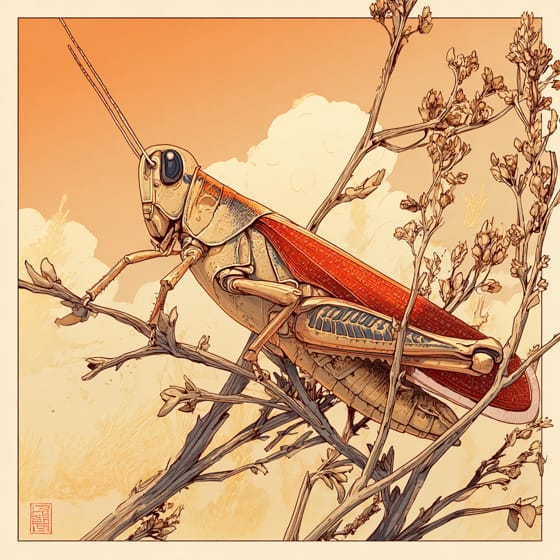
Schistocerca gregaria
Forages for large insects like locusts.
Balanites aegyptiaca
Consumes the fruits of this common desert tree.
Feathered describes animals, primarily birds, possessing a covering of feathers.
Social animals live in organized groups, cooperating for survival benefits such as foraging, defense, and raising offspring.
Singing animals produce complex vocalizations, often for purposes of attracting mates, defending territory, or communicating within their species.
Colorful describes organisms or objects displaying a wide range of bright and distinct colors.

Grassland habitats are terrestrial biomes dominated by grasses and herbaceous plants, supporting a variety of grazing animals.

This trait identifies organisms whose diet primarily consists of insects and other small invertebrates.

This trait describes organisms that manipulate external objects to achieve a specific goal.

This habitat trait denotes species native to savannas, which are grasslands with scattered trees, typically found in tropical or subtropical regions with distinct wet and dry seasons.

Diurnal animals are primarily active during daylight hours, typically resting or sleeping at night.
No aliases listed yet.
Danger
1/5 · Very low
Always watch birds from a distance and do not try to touch them.
The easiest way to identify White-headed Buffalo Weaver is to use the Snappit nature identifier app.
17-19 cm
28-32 cm
0.04-0.06 kg
5-8 years
45 km/h
These omnivores primarily eat insects, seeds, and fruits found in their dry African habitat.
Savannas
Zoom in to split clusters and explore where this object has been snapped.
Recent snaps will appear here as new observations are added.
Take the discovery with you
Snap it with Snappit to identify it, learn what makes it special, and add the discovery to your collection.




.jpg&width=800)








