





Cinereous Vulture
aegypius monachus
The Cinereous Vulture is one of the largest flying birds in the world! It has a massive wingspan that can reach up to 10 feet, making it an impressive sight in the sky.
Habitat: They typically live in mountainous regions, grasslands, and open forests across Europe and Asia.
The Cinereous Vulture is a massive raptor with dark brown to black plumage. It has a distinctive bare, greyish-pink head and neck, often partially covered by downy feathers. Its powerful, heavy bill is dark with a lighter cere.
Category
BirdsRarity
Common
Danger
1/5 · Very low
Snaps
Be the first to snap!
Cinereous Vultures are usually solitary or found in pairs, unlike many other vulture species.
It is one of the heaviest flying birds of prey in the entire world!
Its scientific name, Aegypius monachus, means 'monk vulture' because of its hooded appearance!
They build enormous nests, up to 3m wide, high in trees or on cliffs!
Cinereous Vultures can soar for hours on vast wings, effortlessly scanning huge areas for food from high above.
Cinereous Vultures use rising warm air currents to glide without flapping, saving energy for long flights.
The Cinereous Vulture's bare head and neck can stay clean when feeding, preventing disease from spreading.
This giant bird helps keep nature clean by eating the remains of dead animals.
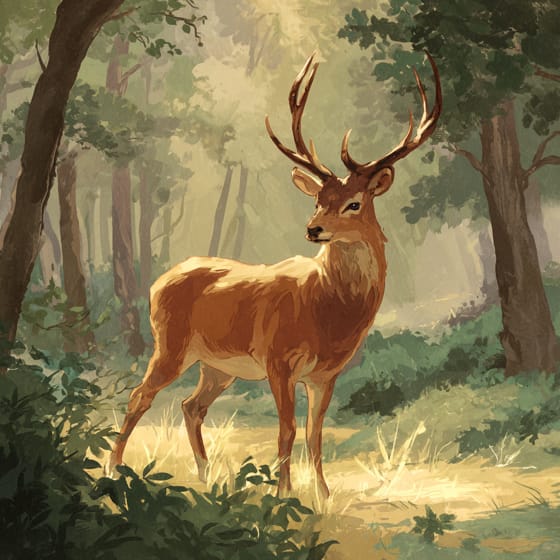
Cervus elaphus
scavenges on their carcasses after death.
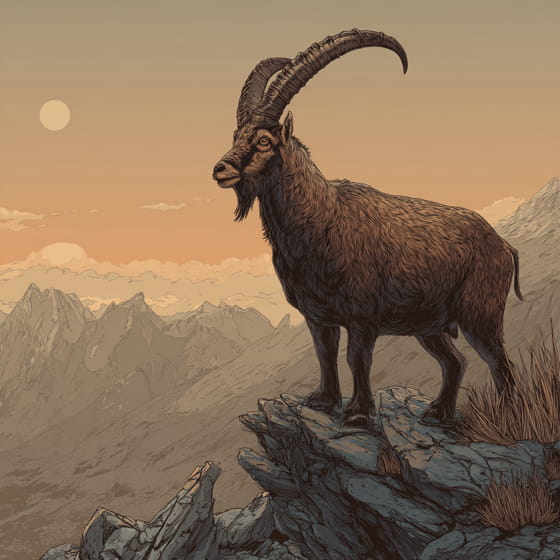
Capra ibex
feasts on remains of ibex in mountainous habitats.
Canis lupus
often follows wolves to feed on their leftover kills.
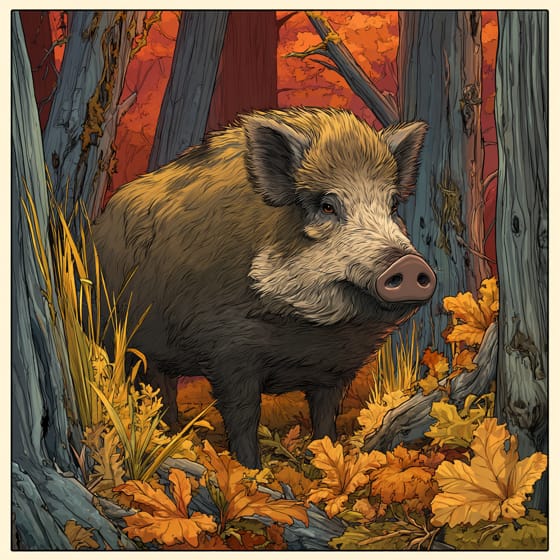
Sus scrofa
consumes carcasses, especially piglets or injured adults.
Social animals live in organized groups, cooperating for survival benefits such as foraging, defense, and raising offspring.
This trait identifies organisms whose diet consists entirely or primarily of animal tissue.
Diurnal animals are primarily active during daylight hours, typically resting or sleeping at night.
Migratory animals undertake seasonal movements from one region to another, typically in response to changes in climate or food availability.

Endangered status indicates a species is at a very high risk of extinction in the wild in the near future.
Danger
1/5 · Very low
No special safety notes yet.
The easiest way to identify Cinereous Vulture is to use the Snappit nature identifier app.
100-120 cm
250-310 cm
7-14 kg
30-40 years
60 km/h
This giant bird helps keep nature clean by eating the remains of dead animals.
They typically live in mountainous regions, grasslands, and open forests across Europe and Asia.
Zoom in to split clusters and explore where this object has been snapped.
Recent snaps will appear here as new observations are added.
Take the discovery with you
Snap it with Snappit to identify it, learn what makes it special, and add the discovery to your collection.





.jpg&width=800)








