





Hummingbirds
trochilidae
Hummingbirds are tiny, colorful birds that can flap their wings incredibly fast! They love to sip nectar from flowers while hovering in mid-air.
Habitat: Hummingbirds are commonly found in gardens, forests, and near flowering plants.
The Hummingbirds are tiny, iridescent birds, often displaying dazzling metallic greens, blues, and reds. They have long, needle-like beaks and rapidly beating wings that blur in flight, making them visually distinct from other birds.
Category
BirdsRarity
Common
Danger
0/5 · No known danger
Snaps
Be the first to snap!
Hummingbirds beat their wings up to 80 times per second!
Hummingbirds cannot walk or hop; their tiny feet are only used for perching.
Their eggs are the smallest of any bird, about the size of a coffee bean!
They can enter a deep sleep called torpor to save energy at night.
Hummingbirds can fly forwards, backwards, and even hover in place because their unique wing joints allow a figure-eight motion.
Hummingbirds have an incredibly fast metabolism that helps them burn energy quickly to power their rapid wing beats.
Hummingbirds can reach deep into flowers because of their long, grooved tongues that help them lap up nectar efficiently.
These tiny birds drink sweet nectar from flowers and sometimes eat small insects for protein!
Salvia splendens
A popular flower that hummingbirds feed from and pollinate.
Fuchsia magellanica
Hummingbirds are key pollinators for its tubular red and purple flowers.
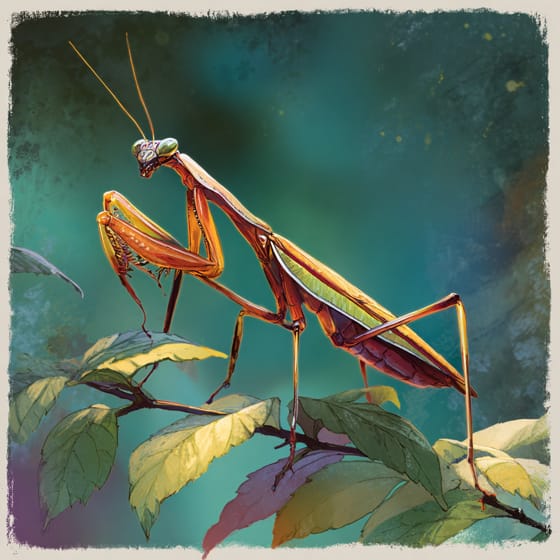
Mantis religiosa
Large praying mantises can occasionally ambush and prey on small hummingbirds.
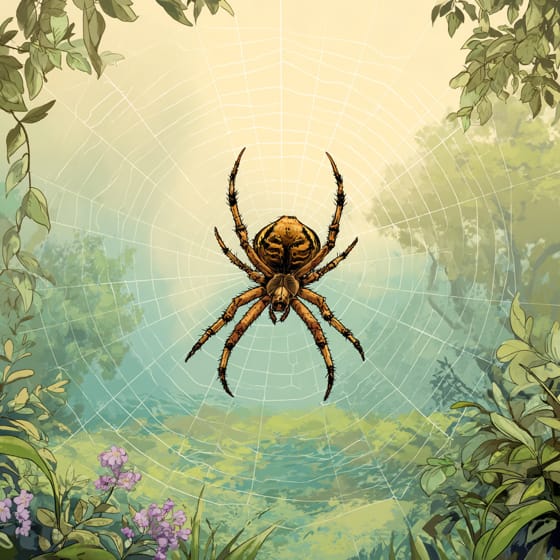
Argiope aurantia
Hummingbirds can sometimes get trapped and die in strong spider webs.
Arboreal animals live primarily in trees, utilizing them for shelter, food, and protection from predators.
Colorful describes organisms or objects displaying a wide range of bright and distinct colors.
This trait identifies organisms whose diet consists entirely or primarily of animal tissue.
Diurnal animals are primarily active during daylight hours, typically resting or sleeping at night.

Describes organisms that transfer pollen, enabling the fertilization and reproduction of plants.
Danger
0/5 · No known danger
No special safety notes yet.
The easiest way to identify Hummingbirds is to use the Snappit nature identifier app.
5-23 cm
8-20 cm
0.002-0.02 kg
3-12 years
50 km/h
These tiny birds drink sweet nectar from flowers and sometimes eat small insects for protein!
Hummingbirds are commonly found in gardens, forests, and near flowering plants.
Zoom in to split clusters and explore where this object has been snapped.
Recent snaps will appear here as new observations are added.
Take the discovery with you
Snap it with Snappit to identify it, learn what makes it special, and add the discovery to your collection.




.jpg&width=800)








