





Whooper Swan
Cygnus cygnus
The Whooper Swan is a beautiful bird with a long neck and white feathers. They are known for their loud, trumpeting calls and can often be seen swimming gracefully on lakes and rivers.
Habitat: Wetlands
The Whooper Swan has striking black and bright yellow markings on its bill and a distinctly straight neck. Its large body is covered in pure white feathers, making it highly visible on water. Young swans, called cygnets, are grey-brown and gradually turn white.
Category
BirdsRarity
Common
Danger
2/5 · Low
Snaps
Be the first to snap!
A group of flying swans is called a "wedge."
Swans can drink saltwater, thanks to special glands!
Their unique call gives them their "whooper" name!
They often fly in a V-shape, saving energy for the flock.
Whooper Swans can make loud, trumpet-like calls that help them communicate across long distances, especially during migration.
Whooper Swans have a long, flexible neck that allows them to reach aquatic plants deep underwater for food.
Whooper Swans have powerful wings and strong bodies to fly thousands of kilometers, enduring harsh weather on their migrations.
Whooper Swans are plant-eaters, feasting on tasty aquatic plants, roots, and sometimes grain.
Age differences: Young cygnets may eat some aquatic invertebrates for protein before switching fully to plants.
Potamogeton natans
A favorite aquatic plant for swans to feed on.
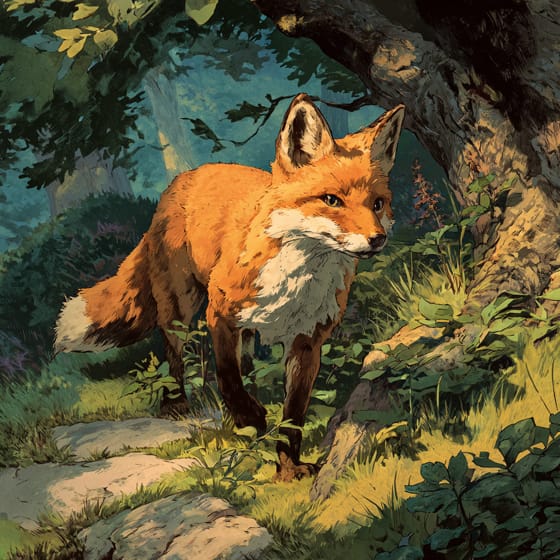
Vulpes vulpes
May try to prey on eggs or young cygnets in some areas.

Phragmites australis
Often used by swans to build large, protective nests near water.
Feathered describes animals, primarily birds, possessing a covering of feathers.
Characterized by having toes connected by a membrane, typically aiding in swimming.
Social animals live in organized groups, cooperating for survival benefits such as foraging, defense, and raising offspring.
Singing animals produce complex vocalizations, often for purposes of attracting mates, defending territory, or communicating within their species.

Filter feeders obtain nutrients by straining suspended food particles and small organisms from water.

This trait characterizes organisms whose diet consists entirely or primarily of plant material.

This habitat trait identifies species found in wetlands, which are areas of land saturated with water, either permanently or seasonally, including marshes, swamps, and bogs.

Migratory animals undertake seasonal movements from one region to another, typically in response to changes in climate or food availability.
Danger
2/5 · Low
Always watch swans from a distance, as they can be protective of their nests.
The easiest way to identify Whooper Swan is to use the Snappit nature identifier app.
140-165 cm
205-275 cm
7.4-14 kg
10-20 years
70 km/h
Whooper Swans are plant-eaters, feasting on tasty aquatic plants, roots, and sometimes grain.
Wetlands
Zoom in to split clusters and explore where this object has been snapped.
Recent snaps will appear here as new observations are added.
Take the discovery with you
Snap it with Snappit to identify it, learn what makes it special, and add the discovery to your collection.




.jpg&width=800)








