_-_Schwarze_Kiefernholzwespe_(7615319732).jpg&width=800)





Xeris spectrum
Xeris spectrum
The Xeris spectrum is a beautiful butterfly known for its colorful wings. It flutters around gardens and fields, bringing joy to those who see it. These butterflies are gentle and love to sip nectar from flowers.
Habitat: Gardens and fields
The Xeris spectrum is a robust, wasp-like insect, typically metallic blue-black with yellow or red bands on its abdomen. It has clear, membranous wings and a distinctive, spear-like ovipositor extending from its rear, which is a key identifying feature.
Category
InsectsRarity
Common
Danger
1/5 · Very low
Snaps
Be the first to snap!
Adult Xeris spectrum can't eat! They live off energy stored from their larval stage.
Female horntails often lay eggs inside trees that have been dead for a very long time!
Some people mistake these harmless insects for wasps because of their similar colors!
Their larvae tunnel so well, they can stay hidden inside wood for up to three years!
Xeris spectrum can drill deep into dead wood using its powerful, saw-like ovipositor to lay eggs safely within tree trunks.
Xeris spectrum carries a special fungus that it introduces into trees, which helps its larvae break down wood for food.
Xeris spectrum larvae have powerful jaws that allow them to tunnel through tough wood, feeding and growing inside trees.
Adults don't eat, but larvae are herbivores, munching on wood inside trees.
Age differences: Adults do not feed; larvae tunnel and eat decaying wood, aided by symbiotic fungi.
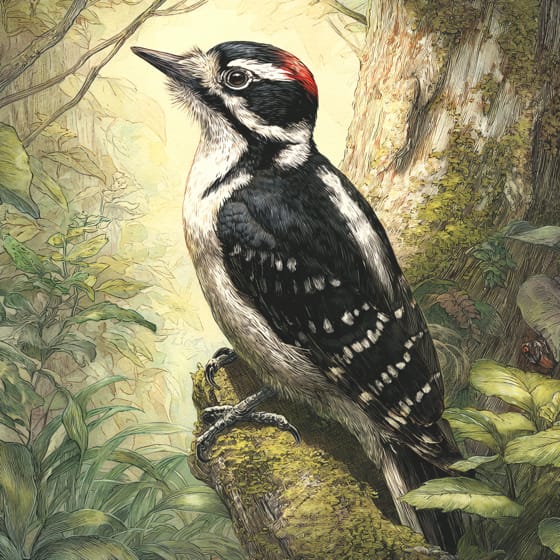
Picoides villosus
Woodpeckers extract larvae from wood.
Pinus ponderosa
Larvae bore into the dead wood of pine trees.
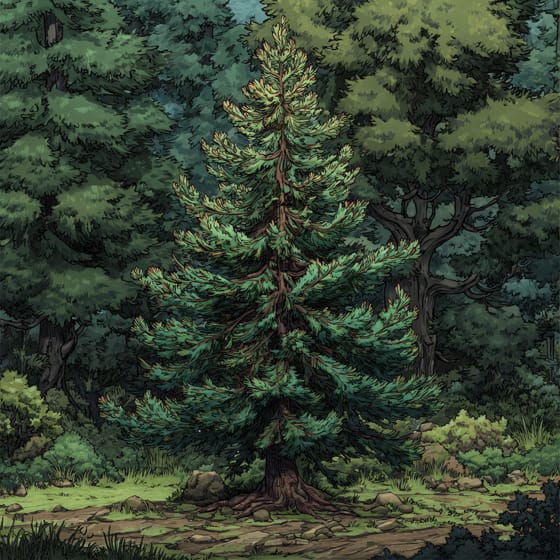
Abies grandis
Larvae also tunnel through dead fir tree trunks.
Amylostereum areolatum
The sawfly carries this fungus to help larvae digest wood.
Social animals live in organized groups, cooperating for survival benefits such as foraging, defense, and raising offspring.
Camouflaged describes organisms that possess coloring or patterns that allow them to blend into their environment.
Colorful describes organisms or objects displaying a wide range of bright and distinct colors.
This trait characterizes organisms whose diet consists entirely or primarily of plant material.

Describes plants that are particularly attractive and beneficial to a wide range of pollinating organisms.

Diurnal animals are primarily active during daylight hours, typically resting or sleeping at night.

Describes organisms that transfer pollen, enabling the fertilization and reproduction of plants.
No aliases listed yet.
Danger
1/5 · Very low
Always watch butterflies from a distance and don't try to catch them.
The easiest way to identify Xeris spectrum is to use the Snappit nature identifier app.
20-50 mm
10-25 mm
10-20 days
Adults don't eat, but larvae are herbivores, munching on wood inside trees.
Gardens and fields
Foraging
6
Zoom in to split clusters and explore where this object has been snapped.
Recent snaps will appear here as new observations are added.
Take the discovery with you
Snap it with Snappit to identify it, learn what makes it special, and add the discovery to your collection.







.jpg&width=800)



