





Hypherpes
Hypherpes
Hypherpes are small, colorful insects that love to flutter around flowers. They are often seen in gardens and fields, adding beauty to nature with their bright colors.
Habitat: Gardens
The Hypherpes is a robust insect with a shimmering, metallic exoskeleton that ranges from emerald green to sapphire blue. Its large, compound eyes are bright orange, and its delicate, translucent wings are edged with a faint, iridescent violet.
Category
InsectsRarity
Common
Danger
1/5 · Very low
Snaps
Be the first to snap!
A Hypherpes's heart beats over 500 times per minute when it's flying!
Some Hypherpes migrate thousands of miles each year, flying across entire continents!
Their super-sensitive antennae can detect tiny smells from over a mile away!
They have nearly 360-degree vision, meaning almost nothing can sneak up on them!
Hypherpes can change its skin color rapidly because of special cells, helping them disappear among flowers and leaves.
Hypherpes has specialized wing muscles that allow it to create a high-frequency buzz, which disorients predators.
Hypherpes can regrow lost or damaged limbs within a few days, a useful trick for escaping predators.
Hypherpes are energetic pollinators that enjoy a sugary diet of flower nectar and sweet tree sap.
Age differences: Larvae consume decaying plant matter before pupating into nectar-feeding adults.
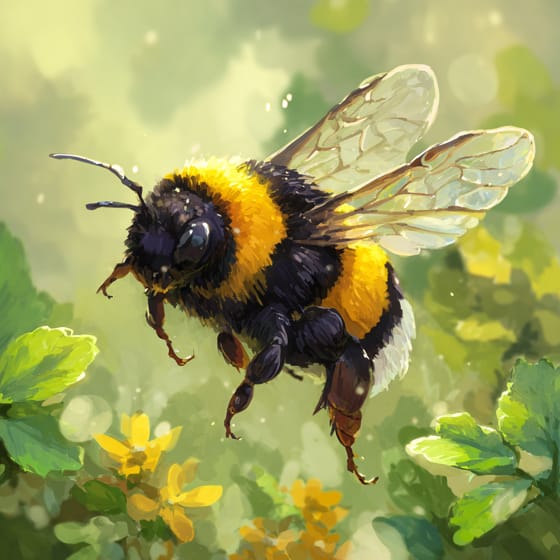
Bombus terrestris
Competes for nectar sources.
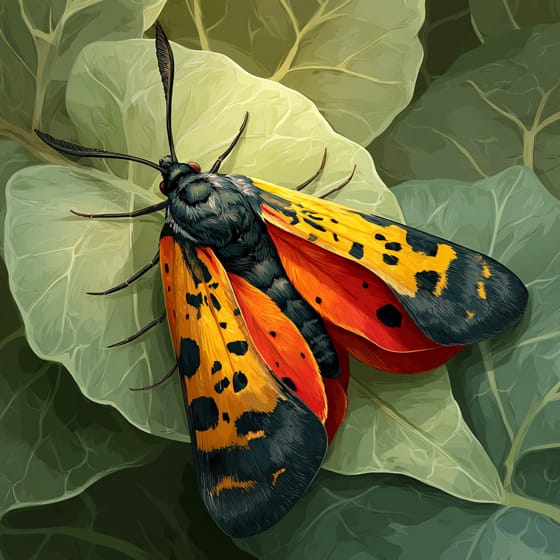
Arctia caja
Larvae are sometimes prey for Hypherpes larvae.
Helianthus annuus
Visits flowers for nectar.
%2C_Parc_de_Woluw%C3%A9%2C_Brussels_(13042792905).jpg&width=800)
Parus major
Frequently hunted by insectivorous birds.
Social animals live in organized groups, cooperating for survival benefits such as foraging, defense, and raising offspring.
Camouflaged describes organisms that possess coloring or patterns that allow them to blend into their environment.
Colorful describes organisms or objects displaying a wide range of bright and distinct colors.
This trait characterizes organisms whose diet consists entirely or primarily of plant material.

Diurnal animals are primarily active during daylight hours, typically resting or sleeping at night.

This trait identifies organisms that exhibit exceptional swiftness in movement for hunting, escape, or travel.

This habitat trait indicates species that can coexist with humans in urban and suburban environments, utilizing man-made structures and green spaces.

Describes organisms that transfer pollen, enabling the fertilization and reproduction of plants.
No aliases listed yet.
Danger
1/5 · Very low
Always watch Hypherpes from a distance and don't touch them, as they are delicate.
The easiest way to identify Hypherpes is to use the Snappit nature identifier app.
20-45 mm
10-25 mm
30-90 days
15 km/h
Hypherpes are energetic pollinators that enjoy a sugary diet of flower nectar and sweet tree sap.
Gardens
Foraging
Zoom in to split clusters and explore where this object has been snapped.
Recent snaps will appear here as new observations are added.
Take the discovery with you
Snap it with Snappit to identify it, learn what makes it special, and add the discovery to your collection.







.jpg&width=800)



