Xerocomellus
xerocomellus
Xerocomellus mushrooms are colorful and can be found in many forests! They grow on the ground and are fun to spot while exploring nature.
Habitat: Xerocomellus mushrooms thrive in damp, wooded areas, usually near trees.
The Xerocomellus typically has a dry, often velvety cap ranging from yellow to reddish-brown, and a yellow pore surface underneath that bruises blue when touched. Its stem is usually yellow or reddish, often slender.
Category
FungiRarity
Common
Danger
1/5 · Very low
Snaps
Be the first to snap!
Some Xerocomellus species can pop up almost overnight after a good rain shower!
Their caps often feel like velvet, soft and smooth if you gently touch them!
Their tiny spores are carried by wind to start new mushroom colonies!
These forest fungi are masters of blending in, making them tricky to spot!
Xerocomellus can instantly change color to blue when bruised because of a chemical reaction, which can deter some hungry animals.
Xerocomellus contributes to healthy forest ecosystems by cycling nutrients that other plants and organisms need to thrive.
Quercus robur
Provides nutrients and water to the tree.
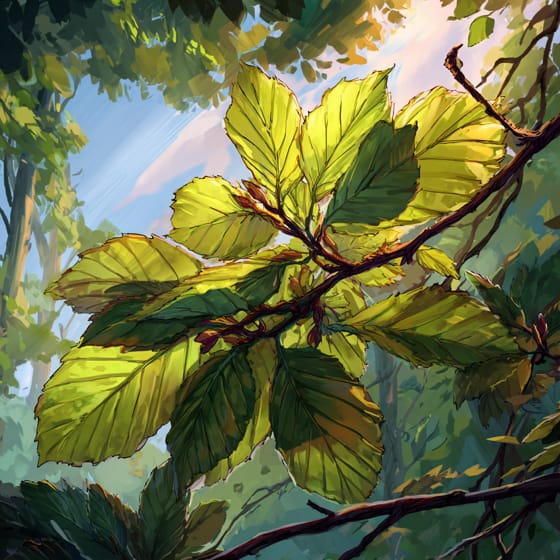
Fagus sylvatica
Shares resources through root connections.
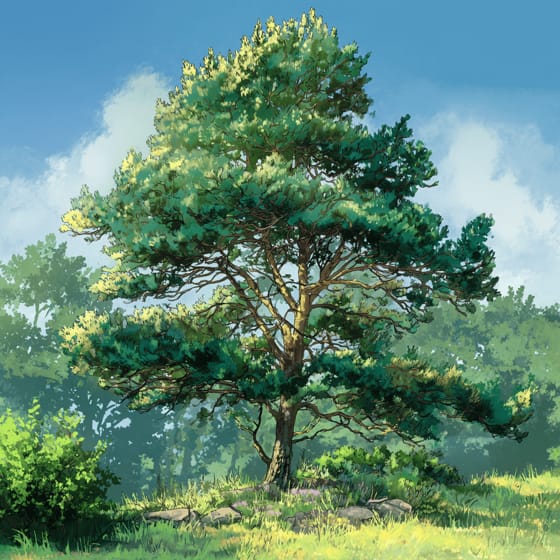
Pinus sylvestris
Forms beneficial root associations.
Sciurus carolinensis
A food source for forest squirrels.
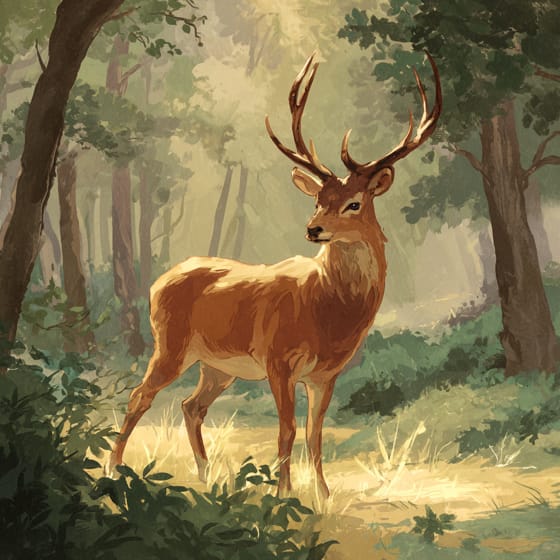
Cervus elaphus
Part of the diet for deer in woodlands.
Solitary animals live alone for most of their lives, only interacting with others for mating or parental care.
Colorful describes organisms or objects displaying a wide range of bright and distinct colors.
Describes organisms that break down dead organic material, recycling nutrients back into the ecosystem.
Forest habitats are terrestrial environments dominated by dense tree cover, supporting a high diversity of plant and animal life.
Danger
1/5 · Very low
Always ask an adult before touching or picking mushrooms.
The easiest way to identify Xerocomellus is to use the Snappit nature identifier app.
3-12 cm
edible
2-10 cm
Xerocomellus mushrooms thrive in damp, wooded areas, usually near trees.
soil
Late summer to fall
Olive-brown
Zoom in to split clusters and explore where this object has been snapped.
Recent snaps will appear here as new observations are added.
Take the discovery with you
Snap it with Snappit to identify it, learn what makes it special, and add the discovery to your collection.