





Yellow-footed tortoise
Chelonoidis denticulata
The yellow-footed tortoise is a slow-moving reptile with bright yellow spots on its legs. They love to munch on fruits and leaves in their warm, tropical homes.
Habitat: Forests
The Yellow-footed tortoise has a dark, domed shell with distinct yellow to orange patches on each scute. Its legs and head are also adorned with bright yellow or orange scales, making it stand out against the forest floor. Unlike many tortoises, its shell is often smooth.
Category
ReptilesRarity
Common
Danger
1/5 · Very low
Snaps
Be the first to snap!
Each tortoise's shell pattern is unique, like a fingerprint!
Males fight by ramming shells, trying to flip rivals over!
They communicate with soft hisses and grunts in the forest.
They use their strong legs to dig burrows to escape heat and hide.
Yellow-footed tortoise can sense rainfall from afar, helping them find puddles to drink and soak in after dry spells.
Yellow-footed tortoise has a rounded shell that helps them flip back over if they accidentally get turned upside down.
Yellow-footed tortoise can eat many fruits, helping to spread seeds around the forest and grow new plants.
These tortoises are omnivores, munching on fruits, leaves, flowers, fungi, and even small bugs!
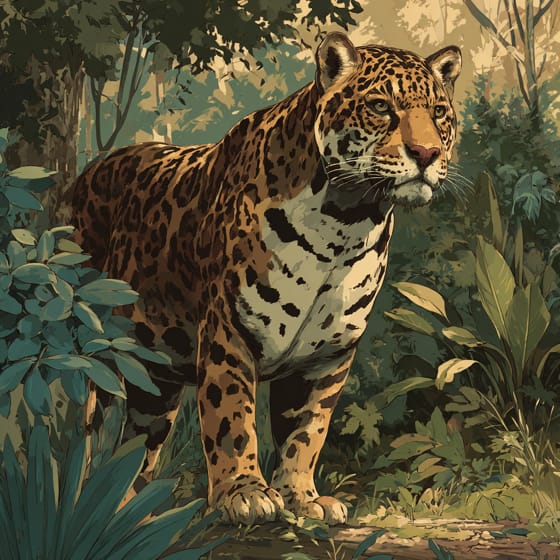
Panthera onca
Juveniles are prey for large cats.
Ficus insipida
They eat fallen figs, dispersing seeds.
Atta cephalotes
They occasionally feed on ants and larvae.
Mauritia flexuosa
Consumes palm fruits, aiding seed dispersal.
Solitary animals live alone for most of their lives, only interacting with others for mating or parental care.
Colorful describes organisms or objects displaying a wide range of bright and distinct colors.
This trait characterizes organisms whose diet consists entirely or primarily of plant material.
Forest habitats are terrestrial environments dominated by dense tree cover, supporting a high diversity of plant and animal life.

This trait characterizes organisms with an exceptionally long lifespan compared to others of their kind.

Armored describes animals protected by a hard, external covering or shell for defense.

Diurnal animals are primarily active during daylight hours, typically resting or sleeping at night.

Endangered status indicates a species is at a very high risk of extinction in the wild in the near future.
No aliases listed yet.
Danger
1/5 · Very low
Always watch from a distance and never try to touch wild tortoises.
The easiest way to identify Yellow-footed tortoise is to use the Snappit nature identifier app.
40-70 cm
10-25 kg
50-70 years
1 km/h
These tortoises are omnivores, munching on fruits, leaves, flowers, fungi, and even small bugs!
Forests
Foraging
Zoom in to split clusters and explore where this object has been snapped.
Recent snaps will appear here as new observations are added.
Take the discovery with you
Snap it with Snappit to identify it, learn what makes it special, and add the discovery to your collection.













