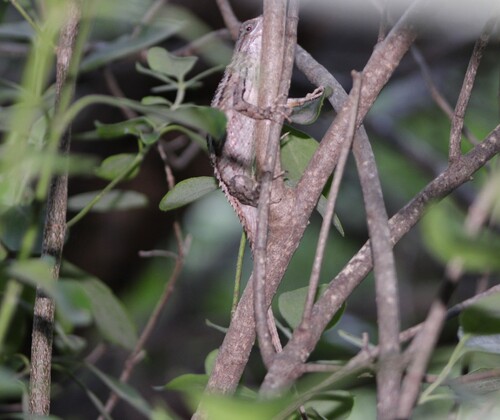
Texas Spiny Lizard
Sceloporus olivaceus
The Texas Spiny Lizard is a cool little reptile with spiky scales that help it blend into its surroundings. It loves to bask in the sun and is often seen climbing trees and rocks.
Habitat: Woodlands
The Texas Spiny Lizard has a robust body covered in rough, overlapping, spiny scales. Its coloration ranges from gray to brown, often with dark wavy crossbands, helping it blend into tree bark. Males are distinctive with bright blue patches on their throat and belly.
Category
ReptilesRarity
Common
Danger
1/5 · Very low
Snaps
16
Despite their name, they are excellent climbers on bark and fences!
If a predator grabs their tail, it can break off and regrow later!
These lizards perform "push-ups" to show off their strength and territory.
They often sleep head-down on tree trunks to quickly escape danger!
Texas Spiny Lizard has rough, spiny scales that protect them from predators and give them a strong grip on surfaces.
Texas Spiny Lizard can warm up quickly by basking in the sun because they are cold-blooded, which helps them stay active.
Texas Spiny Lizard males can flash bright blue throat and belly patches to warn other males and attract mates.
These lizards are insectivores, mostly munching on critters like crickets, grasshoppers, and beetles.
Coluber constrictor
A fast snake that preys on lizards.
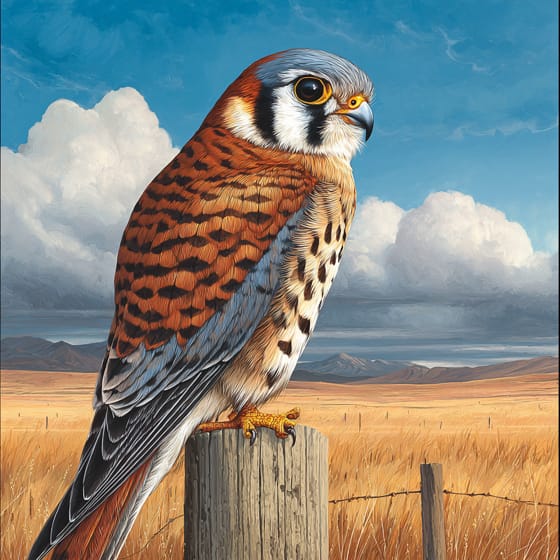
Falco sparverius
Small raptor that hunts insects and small reptiles.
Formica fusca
Often snacks on ants when they're available.

Quercus fusiformis
Climbs trees for sun, safety, and hunting.
Arboreal animals live primarily in trees, utilizing them for shelter, food, and protection from predators.
Camouflaged describes organisms that possess coloring or patterns that allow them to blend into their environment.
This trait identifies organisms whose diet primarily consists of insects and other small invertebrates.
Forest habitats are terrestrial environments dominated by dense tree cover, supporting a high diversity of plant and animal life.

Possessing sharp, pointed projections or spines on the body or surface.

Diurnal animals are primarily active during daylight hours, typically resting or sleeping at night.

This trait identifies organisms that exhibit exceptional swiftness in movement for hunting, escape, or travel.
No aliases listed yet.
Danger
1/5 · Very low
Always watch lizards from a distance and don't try to catch them.
The easiest way to identify Texas Spiny Lizard is to use the Snappit nature identifier app.
18-30 cm
0.01-0.04 kg
3-5 years
20 km/h
These lizards are insectivores, mostly munching on critters like crickets, grasshoppers, and beetles.
Woodlands
Ambush
Zoom in to split clusters and explore where this object has been snapped.
May 28, 2026
Lost Maples State Natural AreaPhoto attribution
(c) Matt D'Agrosa, some rights reserved (CC BY)
License: CC BY 4.0 ↗
Image may be shown cropped inside the card frame.

Texas, US
You might spot Honey Mesquite, Anacua, and Alamo Vine.
View guide →

Texas, US
You might spot Christmas Cholla, Dakota Mock Vervain, and Honey Mesquite.
View guide →

Texas, US
You might spot Giraffes, African Lion, and Eastern Black Rhinoceros.
View guide →

Texas, US
You might spot African Elephant, Reticulated Giraffe, and African Lion.
View guide →

Texas, US
You might spot Reticulated Giraffe, Zebra, and White Rhinoceros.
View guide →

Texas, US
You might spot Antelopehorn Milkweed and Lindheimer's Senna.
View guide →
Take the discovery with you
Snap it with Snappit to identify it, learn what makes it special, and add the discovery to your collection.