





Yellow-ladle Liverwort
Scapania bolanderi
The Yellow-ladle Liverwort is a small, green plant that loves to grow in damp places. It looks like tiny cups and is very soft to touch, making it a fun find in nature!
Habitat: Wetlands
The Yellow-ladle Liverwort has distinctive yellowish-green to brownish thalli (flat plant bodies) that grow in dense, mat-like patches. Each thallus is deeply bilobed, appearing somewhat spoon or ladle-shaped, which helps distinguish it from other liverworts.
Category
PlantsRarity
Common
Danger
1/5 · Very low
Snaps
Be the first to snap!
Ancient ancestors of liverworts were among the first plants on land!
It forms dense green carpets, creating mini-forests for insects!
Liverworts don't have roots, stems, or leaves like most plants!
This tiny plant helps slow down erosion on forest floors.
Yellow-ladle Liverwort can absorb water directly through its entire surface, which helps it quickly rehydrate after dry spells.
Yellow-ladle Liverwort releases tiny spores into the wind, helping it spread and colonize new, damp forest nooks.
Yellow-ladle Liverwort can grow on bare rock or decaying wood, helping to create soil for future plants.

Arion ater
slugs graze on its moist tissues
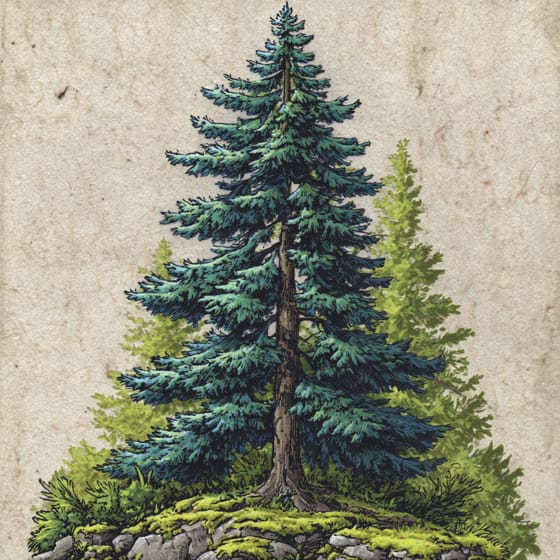
Picea sitchensis
provides stable, moist microhabitat for tree seedlings
Nostoc commune
hosts nitrogen-fixing microbes in its thallus
This trait characterizes plants lacking specialized vascular tissues (xylem and phloem) for transporting water and nutrients.
Shade tolerant plants are adapted to grow and thrive in areas with low light levels, requiring less direct sunlight.
Spore-producing organisms reproduce by releasing small, often single-celled, reproductive units called spores.
Colorful describes organisms or objects displaying a wide range of bright and distinct colors.

This trait signifies organisms belonging to a very old evolutionary group with ancestors dating back millions of years.

Describes organisms that break down dead organic material, recycling nutrients back into the ecosystem.

This habitat trait identifies species found in wetlands, which are areas of land saturated with water, either permanently or seasonally, including marshes, swamps, and bogs.

Pertaining to species that are significantly smaller than typical or average for their kind.

Endangered status indicates a species is at a very high risk of extinction in the wild in the near future.
No aliases listed yet.
Danger
1/5 · Very low
Always wash your hands after touching plants, just to be safe!
The easiest way to identify Yellow-ladle Liverwort is to use the Snappit nature identifier app.
1-5 cm
2-10 cm
No
None
Perennial
Wetlands
Zoom in to split clusters and explore where this object has been snapped.
Recent snaps will appear here as new observations are added.
Take the discovery with you
Snap it with Snappit to identify it, learn what makes it special, and add the discovery to your collection.









.jpg&width=800)



_001.jpg&width=800)



