





Yellow mud turtle
Kinosternon flavescens
The yellow mud turtle is a small turtle that loves to live in muddy waters. It has a soft shell and can often be found basking in the sun or hiding in the mud.
Habitat: Wetlands
The Yellow mud turtle has a smooth, dome-shaped carapace (top shell) that is olive to dark brown. Its most distinctive features are the yellowish to cream-colored plastron (bottom shell) and often yellow markings on its head and neck, with a pointed snout.
Category
ReptilesRarity
Common
Danger
1/5 · Very low
Snaps
Be the first to snap!
Their sensitive shell can feel tiny vibrations, warning them of danger!
They sometimes stack on top of each other to share a good basking spot!
They use their strong jaws to crush the shells of snails and small crustaceans!
Yellow mud turtles sometimes climb onto logs to bask in the sun like sunbathers!
Yellow mud turtle can bury itself deep in the mud because of/that helps them survive droughts or cold periods for many months.
Yellow mud turtle has glands that release a stinky musk because of/that helps them scare away predators when feeling threatened.
Yellow mud turtle can hold its breath for long periods underwater because of/that helps them quietly ambush prey on the pond bottom.
These turtles munch on tiny insects, yummy worms, small fish, and even some underwater plants!
Age differences: Young turtles eat more meat, while adults add more plants to their diet.

Procyon lotor
Raids nests for eggs and preys on young turtles.
Lymnaea stagnalis
Crushes snail shells with its strong jaws.
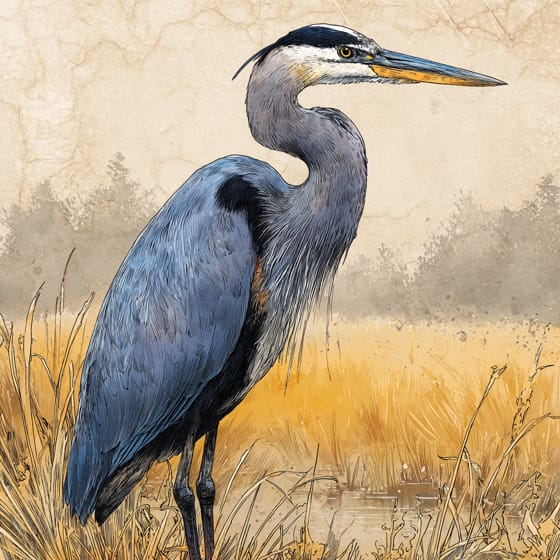
Ardea herodias
Hunts small turtles and hatchlings in shallow water.
Solitary animals live alone for most of their lives, only interacting with others for mating or parental care.
This trait identifies organisms whose diet includes both plant and animal matter.
This trait characterizes organisms whose diet consists entirely or primarily of plant material.
This trait identifies organisms whose diet primarily consists of insects and other small invertebrates.

This trait characterizes organisms with an exceptionally long lifespan compared to others of their kind.

This habitat trait identifies species found in wetlands, which are areas of land saturated with water, either permanently or seasonally, including marshes, swamps, and bogs.

Diurnal animals are primarily active during daylight hours, typically resting or sleeping at night.

Freshwater habitats include non-saline aquatic environments such as rivers, lakes, ponds, and wetlands, vital for numerous species.
No aliases listed yet.
Danger
1/5 · Very low
Always watch turtles from a distance and never try to pick them up without help.
The easiest way to identify Yellow mud turtle is to use the Snappit nature identifier app.
8-15 cm
0.15-0.5 kg
15-25 years
0.5 km/h
These turtles munch on tiny insects, yummy worms, small fish, and even some underwater plants!
3 km/h
Wetlands
Zoom in to split clusters and explore where this object has been snapped.
Recent snaps will appear here as new observations are added.
Take the discovery with you
Snap it with Snappit to identify it, learn what makes it special, and add the discovery to your collection.














