_-_Flickr_-_GregTheBusker.jpg&width=800)





New Mexico Whiptail
Aspidoscelis neomexicanus
The New Mexico Whiptail is a fast and colorful lizard that loves to run! It has a long tail and can be found darting around in the warm sun, making it a fun sight to see in the wild.
Habitat: Desert
The New Mexico Whiptail is a slender lizard with a very long tail, often twice its body length. It typically has six pale yellow or white stripes running down a dark brown to black body. Its underside can be yellowish or orangish, especially on the belly and throat.
Category
ReptilesRarity
Common
Danger
1/5 · Very low
Snaps
1
Every New Mexico Whiptail is a female, who lays eggs that hatch into her exact copies!
Their long, whip-like tail can be twice as long as their body!
They sometimes pretend to be fighting males, which helps stimulate egg production!
This lizard loves to dig burrows under rocks or plants to hide from predators!
New Mexico Whiptail can produce baby lizards all by herself, creating exact genetic copies!
New Mexico Whiptail can detach its tail to distract predators, giving it time to flee to safety.
New Mexico Whiptail can run at high speeds across sandy terrain to chase prey or escape danger.
These quick lizards mostly munch on insects, spiders, and other small invertebrates.
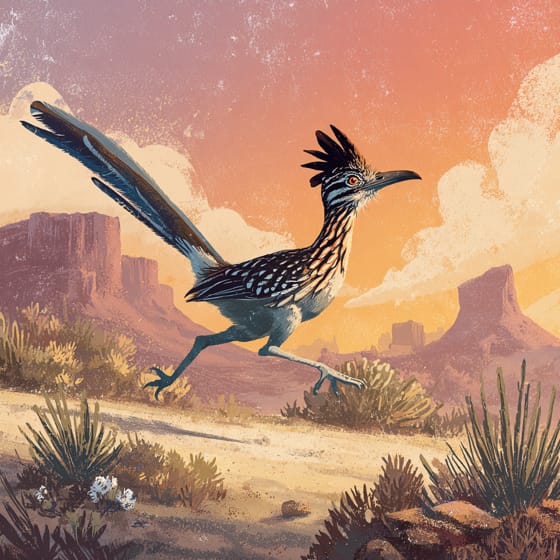
Geococcyx californianus
A quick bird that preys on lizards in the desert.
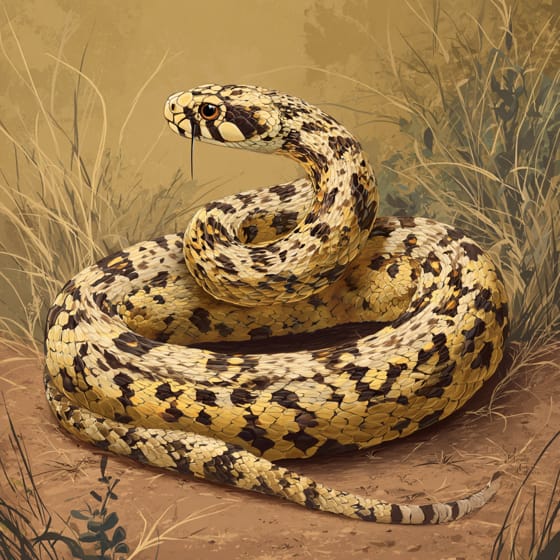
Pituophis catenifer
A common snake predator in its habitat.

Reticulitermes flavipes
A primary food source found in decaying wood.
Gryllus assimilis
Regularly eaten by whiptails in their environment.
Marked with parallel bands or lines of color.
Solitary animals live alone for most of their lives, only interacting with others for mating or parental care.
Camouflaged describes organisms that possess coloring or patterns that allow them to blend into their environment.
Colorful describes organisms or objects displaying a wide range of bright and distinct colors.

This trait identifies organisms whose diet primarily consists of insects and other small invertebrates.

Desert habitats are arid regions characterized by extremely low precipitation and often extreme temperatures, supporting specialized flora and fauna.

Diurnal animals are primarily active during daylight hours, typically resting or sleeping at night.

This trait identifies organisms that exhibit exceptional swiftness in movement for hunting, escape, or travel.
No aliases listed yet.
Danger
1/5 · Very low
Don't try to catch lizards; it's best to watch them from a distance.
The easiest way to identify New Mexico Whiptail is to use the Snappit nature identifier app.
16-23 cm
0.005-0.015 kg
3-5 years
25 km/h
These quick lizards mostly munch on insects, spiders, and other small invertebrates.
Desert
Foraging
Zoom in to split clusters and explore where this object has been snapped.
Take the discovery with you
Snap it with Snappit to identify it, learn what makes it special, and add the discovery to your collection.













