





Yellow Mussaenda
pseudomussaenda flava
The Yellow Mussaenda is a beautiful plant with bright yellow leaves! It attracts many butterflies and is a favorite among garden lovers.
Habitat: Tropical gardens and forests in Southeast Asia.
The Yellow Mussaenda is a vibrant shrub, known for its small, star-shaped yellow flowers often hidden by much larger, bright lemon-yellow, leaf-like bracts. These velvety bracts create a dazzling display, contrasting with its dark green, oval leaves.
Category
PlantsRarity
Common
Danger
0/5 · No known danger
Snaps
Be the first to snap!
It's a plant cousin to the coffee bean, even though it looks totally different!
Its 'flowers' are actually colorful leaves called bracts, making a big show!
Some Mussaenda are nicknamed 'Buddha's Lamp' for their unique, glowing appearance!
Traditional healers sometimes use parts of its relatives for medicinal purposes!
Yellow Mussaenda has huge, bright yellow bracts that act like giant beacons to attract pollinators from far away, ensuring its tiny true flowers are found.
Yellow Mussaenda can produce flowers and showy bracts almost continuously in warm climates, increasing its chances to reproduce throughout the year.
Yellow Mussaenda can be heavily pruned and still grow back vigorously, helping it recover from damage or adapt to garden shaping.
Apis mellifera
Visits flowers to collect nectar and pollen.
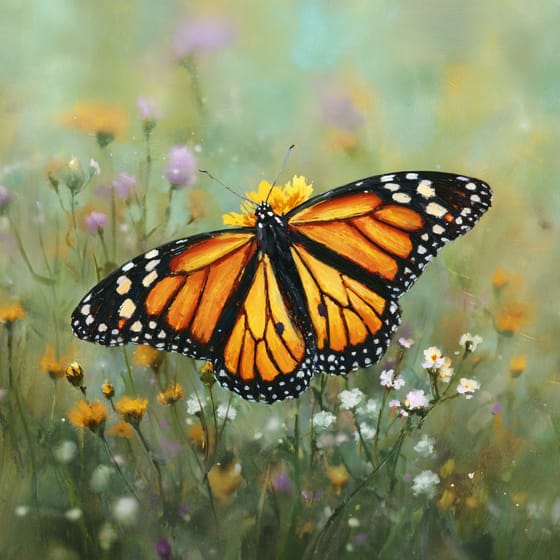
Danaus plexippus
Feeds on nectar, helping to spread pollen.
Papilio demodocus
A common African butterfly attracted to its blooms.
Colorful describes organisms or objects displaying a wide range of bright and distinct colors.
This trait characterizes organisms whose diet consists entirely or primarily of plant material.
Forest habitats are terrestrial environments dominated by dense tree cover, supporting a high diversity of plant and animal life.
Diurnal animals are primarily active during daylight hours, typically resting or sleeping at night.

Describes organisms that transfer pollen, enabling the fertilization and reproduction of plants.
Danger
0/5 · No known danger
No special safety notes yet.
The easiest way to identify Yellow Mussaenda is to use the Snappit nature identifier app.
100-300 cm
100-200 cm
0.5-1 cm
Year-round in tropical climates, summer/fall in temperate zones
No
None
Perennial
Zoom in to split clusters and explore where this object has been snapped.
Recent snaps will appear here as new observations are added.
Take the discovery with you
Snap it with Snappit to identify it, learn what makes it special, and add the discovery to your collection.








.jpg&width=800)



_001.jpg&width=800)




