



sand pine
Pinus clausa
The sand pine is a special tree that grows in sandy areas. It has long, slender needles and produces small cones. This tree is important for providing homes to many animals!
Habitat: Coastal areas
The sand pine is a medium-sized conifer, often appearing scraggly or twisted with a narrow, open crown. It has short, dark green needles, usually in bundles of two, that give it a somewhat bristly look. Its small, egg-shaped cones are typically light brown and remain tightly closed.
Category
PlantsRarity
Common
Danger
1/5 · Very low
Snaps
Be the first to snap!
Its cones often stay sealed shut for many years, waiting for fire to open them!
Sand pine needles are quite short and twisted, helping them conserve precious water.
Some sand pines can live for around 60 years, which is quite short for a pine tree!
This pine can grow even in very dry, nutrient-poor sandy soil where other trees struggle.
Sand pine has serotinous cones that only open and release seeds when exposed to the extreme heat of a forest fire, helping it reproduce after burns.
The sand pine can thrive in very poor, dry, sandy soils because its roots efficiently extract water and nutrients.
Sand pine can quickly grow and colonize areas after a fire, helping to re-establish the forest ecosystem rapidly.
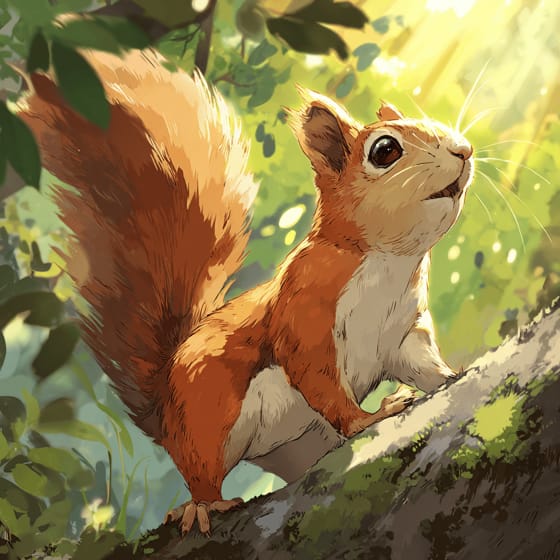
Sciurus carolinensis
Consumes the seeds from sand pine cones.

Odocoileus virginianus
Browses on the young shoots and needles.
Peromyscus polionotus
Forages for fallen seeds released from cones.
Aphelocoma coerulescens
Uses sand pines for nesting and cover in scrub habitats.
Coniferous plants are typically evergreen, bearing needles or scales and reproductive cones.
Evergreen plants retain their foliage throughout the year, never shedding all their leaves at once.
Timber refers to wood that has been prepared for use in building and carpentry.
This trait characterizes organisms with an exceptionally long lifespan compared to others of their kind.

Coastal habitats are dynamic environments located along the interface between land and sea, influenced by tides, waves, and saltwater.

Describes a species whose presence and role have a disproportionately large effect on its environment.
No aliases listed yet.
Danger
1/5 · Very low
Be careful around trees and don't climb without an adult.
The easiest way to identify sand pine is to use the Snappit nature identifier app.
1000-2100 cm
300-600 cm
Yes
None
Perennial
Wind
Coastal areas
Zoom in to split clusters and explore where this object has been snapped.
Recent snaps will appear here as new observations are added.
Take the discovery with you
Snap it with Snappit to identify it, learn what makes it special, and add the discovery to your collection.









.jpg&width=800)



_001.jpg&width=800)


