





pipevines and birthworts
Aristolochia
Pipevines and birthworts are unique plants known for their interesting shapes and colors. They often grow in shady areas and can attract butterflies with their beautiful flowers.
Habitat: Forests
The pipevines and birthworts has unique, often curved, pipe-shaped flowers that range in color from purples and browns to yellows, sometimes with intricate patterns. Its large, heart-shaped leaves grow along woody or herbaceous climbing vines, giving it a lush appearance.
Category
PlantsRarity
Common
Danger
3/5 · Moderate
Snaps
Be the first to snap!
Ancient people used these plants for medicine, but it's dangerous!
Its name "Aristolochia" means "best birth," from old medicinal uses.
Some flowers smell like stinky rotten meat to attract tiny flies!
The flowers have a one-way tunnel, trapping bugs inside temporarily!
Pipevines and birthworts can temporarily trap small insects inside its unusual flowers, ensuring pollination before releasing them.
This plant has special chemicals that make its leaves taste bad or even toxic, helping it defend against most hungry plant-eaters.
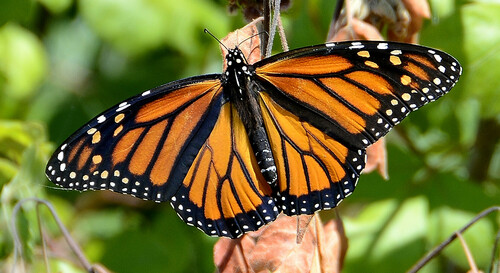
It is the only food source for the caterpillars of the Pipevine Swallowtail butterfly, making it a crucial nursery.

Battus philenor
its caterpillars feed on the leaves
Battus philenor
it's the only food for its young
Megaselia scalaris
lured by the flower's tricky design
Climbing or vine plants are characterized by a growth habit that allows them to ascend upwards by twining, tendrils, or adhesive roots.
Flowering plants are any plants that produce flowers as part of their reproductive cycle.
Shade tolerant plants are adapted to grow and thrive in areas with low light levels, requiring less direct sunlight.
A tube flower has petals fused together at the base, forming a distinct tubular structure that typically holds nectar deep within.

Medicinal plants possess chemical compounds that can be used for therapeutic purposes to treat illnesses or maintain health.

Colorful describes organisms or objects displaying a wide range of bright and distinct colors.

Describes plants that are particularly attractive and beneficial to a wide range of pollinating organisms.

Forest habitats are terrestrial environments dominated by dense tree cover, supporting a high diversity of plant and animal life.

Endangered status indicates a species is at a very high risk of extinction in the wild in the near future.
Danger
3/5 · Moderate
Do not touch or eat any part of the plant without asking an adult first.
The easiest way to identify pipevines and birthworts is to use the Snappit nature identifier app.
100-500 cm
50-300 cm
2-15 cm
Spring-summer
No
High
Perennial
Zoom in to split clusters and explore where this object has been snapped.
Recent snaps will appear here as new observations are added.
Take the discovery with you
Snap it with Snappit to identify it, learn what makes it special, and add the discovery to your collection.







.jpg&width=800)



_001.jpg&width=800)



