





Yellow Star-tulip
Calochortus monophyllus
The Yellow Star-tulip is a bright, cheerful flower that looks like a star! It blooms in spring and brings joy to gardens and fields with its sunny yellow petals.
Habitat: Grasslands
The Yellow Star-tulip is a delicate plant with a single, upward-facing, cup-shaped flower. Its bright yellow petals are distinctively fringed or hairy, often featuring a reddish-brown spot near the base. The leaves are slender and grass-like.
Category
PlantsRarity
Common
Danger
1/5 · Very low
Snaps
Be the first to snap!
Despite its name, it's not a true tulip, but a unique member of the lily family!
Its scientific name, 'monophyllus,' means 'single leaf,' even though it might have a few!
Native Americans once dug up and ate its tasty, starchy bulbs like tiny potatoes!
This flower is part of the 'Mariposa Lily' group, named after the Spanish word for butterfly!
Yellow Star-tulip can vanish underground during dry, hot summers, protecting its bulb and reappearing with the next rains.
Yellow Star-tulip can thrive in tough serpentine soils, which are toxic to most other plants, using its roots to cope.
Yellow Star-tulip has fuzzy, fringed petals that may help guide pollinators to its nectar or protect its delicate reproductive parts.
Bombus vosnesenskii
Visits flowers for nectar and pollen.
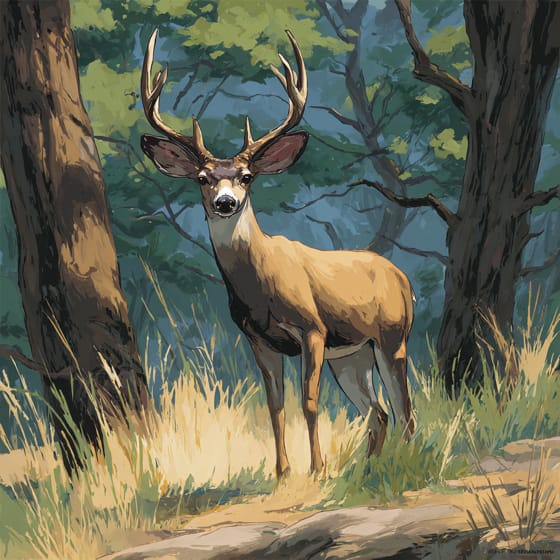
Odocoileus hemionus
Browses on leaves and flowers.
Thomomys bottae
Feeds on underground bulbs.
Flowering plants are any plants that produce flowers as part of their reproductive cycle.
Spring blooming plants produce their flowers during the spring season, often signifying the end of winter and the start of new growth.
Fragrant flowers emit a pleasant aroma, often to attract pollinators or for defense.
Colorful describes organisms or objects displaying a wide range of bright and distinct colors.

Grassland habitats are terrestrial biomes dominated by grasses and herbaceous plants, supporting a variety of grazing animals.

Describes plants that are particularly attractive and beneficial to a wide range of pollinating organisms.
No aliases listed yet.
Danger
1/5 · Very low
Do not pick flowers without asking an adult, so everyone can enjoy them.
The easiest way to identify Yellow Star-tulip is to use the Snappit nature identifier app.
10-30 cm
5-10 cm
2-4 cm
Late spring to early summer
Yes
None
Perennial
Zoom in to split clusters and explore where this object has been snapped.
Recent snaps will appear here as new observations are added.

California, US
You might spot Yellow Star-Tulip and Mountain Misery.
View guide →

California, US
You might spot Pacific Madrone and Pacific Bleeding Heart.
View guide →

California, US
You might spot Sonoma Sage, White Globe Lily, and Mute Swan.
View guide →
.JPG)
California, US
You might spot Cardinal Catchfly and Broad-Leaved Stonecrop.
View guide →
Take the discovery with you
Snap it with Snappit to identify it, learn what makes it special, and add the discovery to your collection.








.jpg&width=800)


_001.jpg&width=800)




