





crowpoison
Nothoscordum bivalve
Crowpoison is a pretty plant with star-shaped flowers that bloom in spring. It grows in sunny places and can be found in fields and along roadsides. Its flowers attract butterflies and bees!
Habitat: Grasslands
The crowpoison is a small plant with slender, grass-like leaves growing from its base. It produces delicate clusters of white or pinkish-white, bell-shaped flowers on a thin stalk. These tiny blooms form an umbrella-like shape at the top.
Category
PlantsRarity
Common
Danger
1/5 · Very low
Snaps
7
Crowpoison can spread quickly in yards, often surprising gardeners with its sudden appearance in spring!
It produces small, star-shaped flowers that bloom together, looking like a cluster of tiny white fireworks!
It's sometimes called "false garlic" because it looks like wild onions but doesn't smell like them!
The plant grows from a tiny bulb that acts like its underground food pantry, storing energy for tough times!
crowpoison has a small underground bulb that stores food, helping it survive cold winters and sprout quickly in spring.
crowpoison can bloom very early, helping it grab sunlight before taller plants leaf out and shade it.
crowpoison has sulfur-containing compounds that can deter hungry animals from eating too much of the plant.
Apis mellifera
Collects nectar from its small flowers.
Bombus impatiens
Visits the blooms for nectar and pollen.

Bos taurus
Can cause illness if consumed in large quantities.
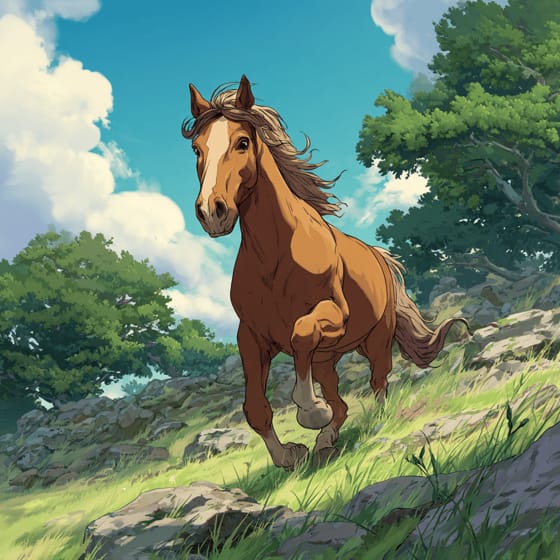
Equus caballus
Ingesting large amounts may lead to digestive upset.
Ornamental plants are cultivated primarily for their aesthetic appeal, enhancing landscapes and gardens with their attractive foliage, flowers, or form.
Spring blooming plants produce their flowers during the spring season, often signifying the end of winter and the start of new growth.
Fragrant flowers emit a pleasant aroma, often to attract pollinators or for defense.
Grassland habitats are terrestrial biomes dominated by grasses and herbaceous plants, supporting a variety of grazing animals.

Describes plants that are particularly attractive and beneficial to a wide range of pollinating organisms.
No aliases listed yet.
Danger
1/5 · Very low
Always look but don't touch plants unless you know they are safe.
The easiest way to identify crowpoison is to use the Snappit nature identifier app.
15-40 cm
10-20 cm
0.5-1.5 cm
Spring (March-May)
No
Mild
Perennial
Zoom in to split clusters and explore where this object has been snapped.

Georgia, US
You might spot Gulf Fritillary, Anole, and American Beautyberry.
View guide →

Alabama, US
You might spot Eastern Box Turtle, Carolina Wren, and Field Sparrow.
View guide →

Texas, US
You might spot African Lion, Giraffes, and Hippopotamus.
View guide →
Georgia, US
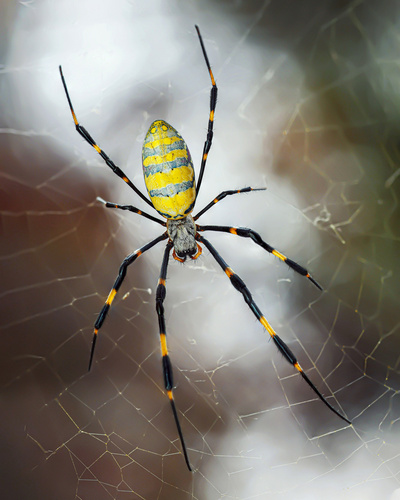
You might spot Joro Spider, American Pokeweed, and Eastern Gray Squirrel.
View guide →

Alabama, US
You might spot Black-Necked Stilt and Eastern Bluebird.
View guide →

Alabama, US
You might spot Horned Passalus Beetle and American Sweetgum.
View guide →
Take the discovery with you
Snap it with Snappit to identify it, learn what makes it special, and add the discovery to your collection.









.jpg&width=800)


_001.jpg&width=800)




