
Snappit logo
Snappit
Get App
Generic illustration, not a photograph of this venueIllustration
ParkKyushu, Japan

Yaba-Hita-Hikosan Quasi-National Park

Shin-Yabakei is a good place to let the scenery come to you.

About

Shin-Yabakei is a good place to let the scenery come to you. At Hitome-Hakkei, jagged outcrops rise above a wooded valley, with a small street of inns, noodle shops and souvenir stalls at their feet. The name means “eight views at a glance”: pause at the viewpoint and look around, rather than treating it as one quick photograph.

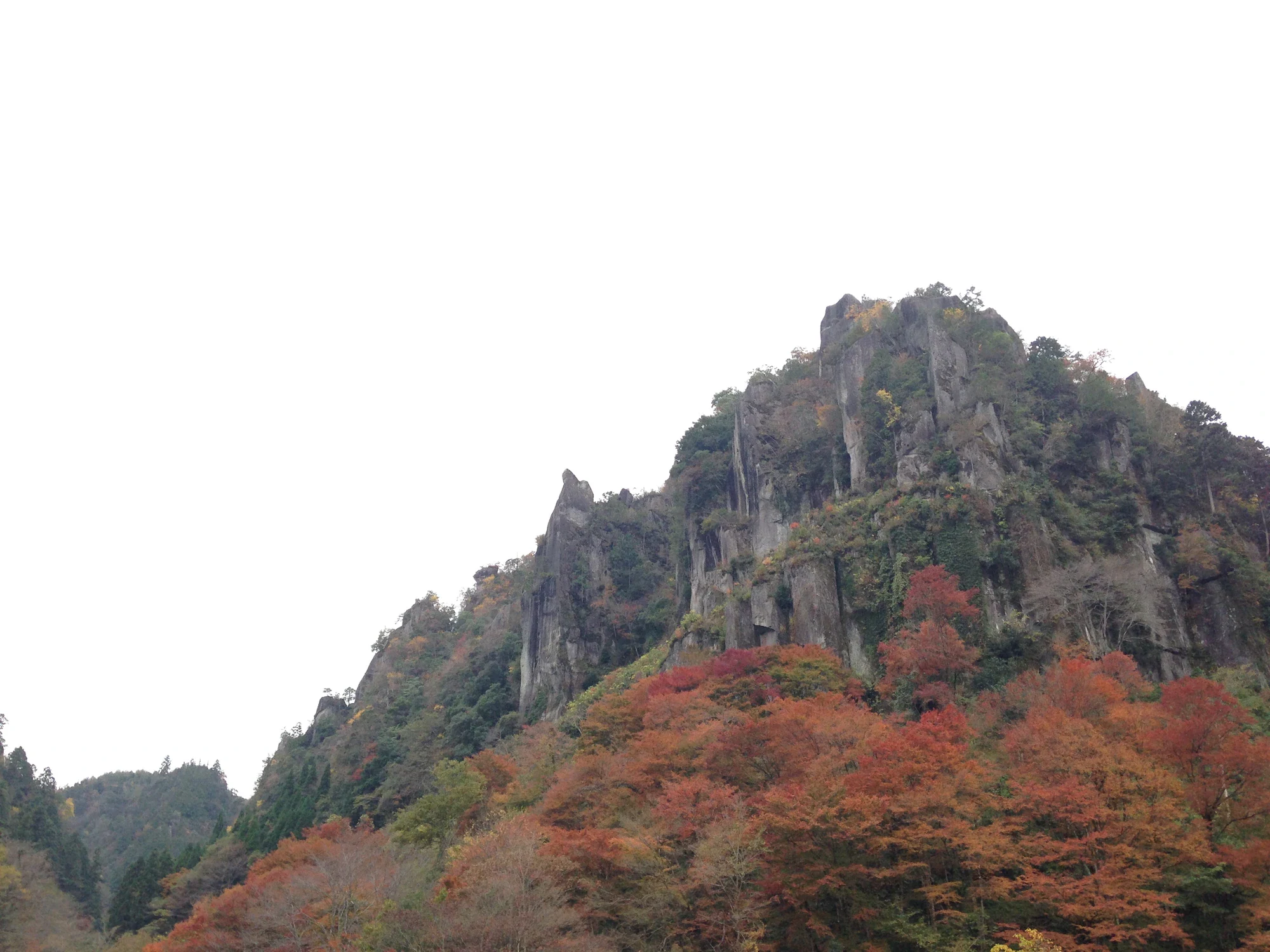
The appeal changes with the leaves. Fresh green foliage picks out the folds of the valley in spring; autumn gives the rock faces a patchwork of warm colour. This is the Shin-Yabakei scene shown in the accompanying photograph. You can enjoy the main view on a short visit, without turning the day into a summit climb.

Start at the Shin-Yabakei public car park and follow the signed approach to the viewing area. The walk is short, but part of it runs beside traffic on a narrow shoulder. Keep children close and stop for photographs only where you can stand clear of vehicles and other pedestrians. Allow time to look at the shapes of the rock, then browse the shops or have soba when they are open.

Yaba-Hita-Hikosan Quasi-National Park reaches across Oita, Fukuoka and Kumamoto prefectures. Its volcanic landforms, eroded valleys, river landscapes and mountain forests are spread over a large area. Hon-Yabakei, with Aonodomon and Kyōshūhō, is a different stop; Hikosan is a separate mountain outing. Give each its own travel plan instead of joining their names into a single walking route. Enhance your adventure: download the Snappit app to identify the local species you encounter.

The park was designated on 29 July 1950. Its scenery also sits within a much older story of travel through difficult valleys: the road linking Nakatsu and Kusu helped bring Shin-Yabakei into wider public view. In 2017, the area’s connected landscapes, roads and cultural history were recognised through the Japan Heritage story “Yabakei Yūran”.

What to do here

Take in the surrounding rock peaks at Hitome-Hakkei, compare the woodland colours and leave time for the soba-shop street. If you want a second view, ask locally about the condition of the path across the river before adding it. The viewpoint alone is a satisfying short outing.

Seasonal info

Autumn attracts more visitors, so leave extra time for parking and passing traffic. Hitome-Hakkei itself is not illuminated, and the approach has little lighting. Heavy rain can change road and stream-path conditions; winter journeys need a check for ice, snow and road restrictions.

Accessibility

Tourism Oita lists a wheelchair-usable entrance, accessible parking and multifunction toilets. A stairway also leads to the raised viewpoint, and the approach from the public car park includes a narrow roadside section. Before travelling, ask the city which entrance and drop-off best suit your wheelchair or stroller; do not assume the opposite-bank or valley paths offer the same access.

Don't miss

1

Rock towers gathered around the Hitome-Hakkei viewpoint

2

Fresh spring greens and autumn woodland colour

3

A compact street of soba shops beneath the cliffs

4

An introduction to Kyushu’s much wider volcanic valley landscape

A tall, jagged rock face rises above trees with green, orange and red foliage.

Autumn woodland and rock faces seen from Hitome-Hakkei in Shin-Yabakei, photographed in November 2014.

Hitome-Hakkei in Shin-Yabakei Valley from observation deck 20141117-2.JPG — そらみみ (Soramimi), CC BY-SA 4.0 (https://creativecommons.org/licenses/by-sa/4.0/). Source: https://commons.wikimedia.org/wiki/File:Hitome-Hakkei_in_Shin-Yabakei_Valley_from_observation_deck_20141117-2.JPG. Proportionally resized to a maximum 2000-pixel long edge without upscaling; recompressed as WebP quality 92, method 6. No crop, added text, colour adjustment or retouching. Original retained as working evidence only; EXIF omitted from derivative. · Creative Commons

Walks and routes

Public car park to Hitome-Hakkei and back

From the Shin-Yabakei public car park, use the signed approach towards the shops and Hitome-Hakkei viewing area. The tourism association puts the approach at about five minutes. Pause for the surrounding rock peaks, then return the way you came. Keep the outing to the viewpoint if the shoulder is crowded or the weather is deteriorating.

The short distance includes roadside walking, and a visible stairway serves the raised platform. Ask which entrance is suitable for your mobility needs before starting; allow more time than the five-minute approach estimate.

Public car park to Hitome-Hakkei and back

A relaxed stop with your own transport

Start with the car park toilets, then take the main viewpoint walk. Spend longer on whichever rock-and-woodland view catches your eye. Return for a meal or tea if a shop is open. Add Hisashi Momiji only if roadside conditions are comfortable, and leave before dusk.

About 1½–2½ hours, excluding the drive

A weekday morning from Bungo-Mori

The timetable checked on 16 October 2026 shows a weekday bus leaving Bungo-Mori at 08:30 and reaching Shin-Yabakei Onsen at 08:52. The return leaves Shin-Yabakei Onsen at 11:25 and reaches Bungo-Mori at 11:47. This gives a little over 2½ hours in the area. If you miss the 11:25 return, the next through bus to Bungo-Mori in this timetable is not until 15:40. Locate the return stop before exploring, and check your onward train separately. Confirm the timetable and service status again for your date.

08:30–11:47 on the example timetable

Things to try

Look at the rock before reaching for the camera

Pick two contrasting outlines: a narrow tower and a broad face, for example. Notice where woodland covers a ledge and where bare rock interrupts it. The pleasure is in changing your focus between the whole valley and its smaller shapes; there is no need to climb a rock or leave a public path.

Leave space for a soba stop

The viewpoint’s shopping street offers a gentler second half to the visit. Soba, soba sweets and local mushroom products feature in the tourism association’s guide. Check the shop’s opening time rather than relying on an early-morning meal before your bus.

An optional look at Hisashi Momiji

Hisashi Momiji is a separate, roughly 100-metre canopy of maple foliage along Prefectural Route 28, near the same public car park. Add it only when you can walk and stop safely beside the road. Seasonal illumination has been held here, but check the current dates before making an evening trip.

Keep Utsukushidani for a properly planned walk

The city describes about one kilometre of maintained valley path, with entrance steps, slippery places and fallen trees. Its reopening notice dates from March 2023, so ask about today’s condition first. Beyond the maintained path, the stream route involves cliffs and waterfalls and is for experienced walkers. Leave that terrain out of this viewpoint visit.

Shorten the outing or postpone it

For a light shower, a meal or tea in an open shop can replace extra walking. In heavy rain, rising-water conditions or a flood or landslide warning, postpone the gorge visit and follow local instructions. Do not use a tunnel, cliff base or riverside path as improvised shelter. A restaurant stop is only an option while the road journey itself remains safe.

Wildlife and habitats

Japanese zelkova: a tree of the wider park

Keyaki, the Japanese zelkova, is recorded in Hikosan’s protected forest. Its leaves are simple and arranged alternately along the twig, unlike a maple’s divided leaf shape; older bark can flake in broad patches. Use these clues when looking at a tree from an established path. The protected-forest records do not identify a particular tree on the Hitome-Hakkei walk.

Sika deer and forest recovery

Sika deer are part of Hikosan and Inugatake’s ecology, but heavy browsing has also damaged vegetation there. Their presence helps explain why protecting young trees and restoring the woodland are important park-management work. Keep wildlife at a distance and leave any protective fences or closed areas undisturbed.

Notice the woodland, then think beyond this valley

At Hitome-Hakkei, enjoy the contrast between leafy slopes and bare rock without needing to name every tree. “Momiji” in local visitor information describes maples generally, so it is worth checking an individual leaf before choosing a species name. The two nature notes below belong to the wider park’s Hikosan forests; they are background for another visit, rather than things to seek out beside this viewpoint.

Stories and discoveries

A landscape made by erosion

The wider park’s volcanic plateaus and eroded valleys explain why flat-topped hills, isolated rock masses and steep-sided gorges can appear within the same journey. Hitome-Hakkei gives you one close-up of that larger landscape.

The road is part of the story

Shin-Yabakei’s tourism history is tied to the Nakatsu–Kusu road and the work of Murakami Denchō. Today’s shop-lined viewpoint belongs to a cultural landscape shaped by people finding ways through the valleys.

When to visit

Spring and early summer

Late April to early June is a good planning window for fresh green leaves. Choose a clear, dry interval, and shorten the walk if rain makes the steps or approach slippery.

Autumn

Nakatsu City gives a usual colour window from mid-November into early December, but the timing shifts with the year. Check current foliage reports, allow extra time for traffic and do the main viewpoint in daylight.

Wet weather and winter

After heavy rain, check both road and walking conditions. In winter, check the prefecture’s road restrictions for snow, ice and anti-skid requirements before driving into the valleys.

Getting there and practical advice

Parking and toilets

Shin-Yabakei public parking is free and listed as available around the clock. The visitor information lists toilets at the car park and below the viewpoint, including accessible provision. A 24-hour car park does not make the unlit approach suitable for a night walk.

Food and breaks

There are noodle shops, tea stops and souvenir businesses around the viewing area. Opening days and hours vary; bring drinking water and something to eat if you depend on a particular bus.

Local advice

For the viewpoint entrance, facilities or current walking conditions, ask Nakatsu’s Yabakei regional office on 0979-54-3111. Road-condition questions can also go to the Nakatsu Civil Engineering Office on 0979-22-2110.

By road

Set your destination to Shin-Yabakei public parking or Hitome-Hakkei, rather than the whole park. Tourism Oita gives about 15 minutes from Kusu Interchange in ordinary conditions; allow longer for autumn queues. Check Oita’s road map and obey restrictions on the ground.

By bus

Use Kusu Kanko Bus on the Bungo-Mori–Shin-Yabakei–Kakisaka route. The stop listed for Hitome-Hakkei is Shin-Yabakei Onsen (深耶馬溪温泉). Some buses shown on the sheet end before the viewpoint, so check that your chosen departure actually serves this stop. No regular service runs on Saturdays, Sundays or public holidays; arrange a taxi or other transport before travelling on those days.

Hon-Yabakei and Hikosan need their own plans

For Hon-Yabakei, check Aonodomon’s latest pedestrian detour and vehicle closure before setting out. For Hikosan, choose a mountain route that fits your experience, check the weather and current trail information, carry suitable equipment and submit a climbing plan as the local authority requests. Neither belongs in the time allowance for Hitome-Hakkei.

Choose the right entrance

Tourism Oita lists a wheelchair-usable entrance, but its entry does not identify the complete accessible approach. Ask whether you should arrive at a particular drop-off, which entrance avoids the stairs and whether assistance is needed. For families using a stroller, the roadside shoulder is as important a consideration as the steps.

Check the facilities you need

The official tourism listing includes accessible parking and a multifunction toilet with ostomate and baby-changing provision, as well as a nursing room and tactile paving. Confirm the location and availability of the specific facility you need when planning the visit.

Sources and useful links

Wildlife you might spot

2

Each card links to a full Explore page with photos, traits, and fun facts.

We are still adding species preview cards for this place.

Snap map for this place

Start with the big picture, then zoom in to explore individual wildlife observations around this place.

Loading map…

Good to know before you go

Check the return journey first. The regular Shin-Yabakei bus runs on weekdays only, with no Saturday, Sunday or public-holiday service.

Use the public car park and keep the roadside approach clear. Avoid stopping in the carriageway for a photograph.

Wear shoes with grip; wet leaves and steps deserve extra care.

Finish the viewpoint walk in daylight. Nearby seasonal maple lighting does not mean Hitome-Hakkei is lit.

Check Nakatsu’s weather and evacuation information and Oita’s road restrictions before setting off, especially after heavy rain.

Ask about the opposite-bank path before using it; skip streamside detours when water is high or rain is forecast.

Treat Utsukushidani as a separately planned walk. Do not continue beyond its maintained path into the streambed on this short visit.

For access or local path questions, contact Nakatsu’s Yabakei regional office on 0979-54-3111.

Frequently asked questions

Hitome-Hakkei and its immediate surroundings in Shin-Yabakei, Oita. It does not include the Hon-Yabakei tunnel and cliffs or a Hikosan ascent.
Yes, on a weekday using Kusu Kanko Bus from Bungo-Mori. Choose a through bus to Shin-Yabakei Onsen and check both directions. At weekends or on public holidays, arrange other transport in advance.
The core visit is a short roadside approach and viewpoint stop. The riverbank path, Utsukushidani and Hikosan involve different terrain and need separate decisions.
No. Confirm the suitable viewpoint entrance and the route from your arrival point. The official facilities listing does not describe every slope or path surface.
Nakatsu City lists the viewpoint visit and public parking as free. Meals, transport and other businesses have their own charges.
The city reopened pedestrian passage on 1 April 2026, with a signed detour through the hand-dug tunnel in part. Its notice, updated 24 June 2026, keeps the road closed to vehicles after further rockfall. Check the latest notice before a separate Hon-Yabakei visit.

Recent snaps at this place

Recent snaps will appear here as new observations are added.

View all ›

Take the discovery with you

Exploring Yaba-Hita-Hikosan Quasi-National Park?

Identify the wildlife you spot, learn as you go, and keep a collection of the adventure.

  1. 1Spot it
  2. 2Snap it
  3. 3Keep the discovery
