





Yarrow
Drewry Point Provincial Park, nestled along the serene west shore of Kootenay Lake in British Columbia, offers a pristine escape into nature that's exclusively accessible by boat.
Drewry Point Provincial Park, nestled along the serene west shore of Kootenay Lake in British Columbia, offers a pristine escape into nature that's exclusively accessible by boat. This inland marine park, situated at the base of the majestic Selkirk Mountains Nelson Range, is a true gem for those seeking tranquility, stunning vistas, and an intimate connection with the natural world. Its unique combination of secluded sandy beaches, protective coves, and rocky headlands sets it apart as a favored destination for paddlers and motorboaters alike, providing safe moorage and a picturesque setting for relaxation and exploration.
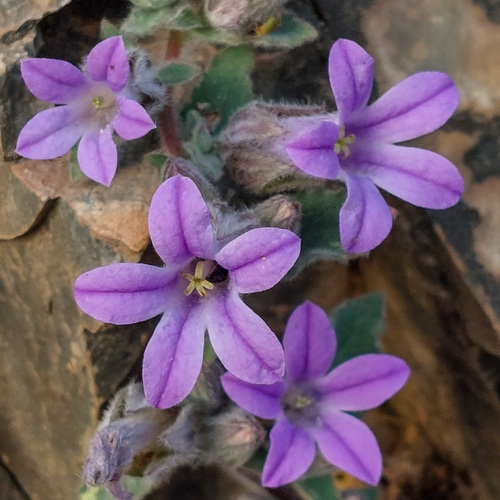
The park's lush forests and tranquil waters create an idyllic habitat for a diverse array of plant and insect life, making it a dream for nature photographers and keen observers. Visitors can wander through areas where vibrant bellflowers and common yarrow bloom, or spot the delicate thimbleberry and whitebark raspberry along the fringes. Look closely for the intricate patterns of the western polypody fern or the ground-covering bearberry. Keep an eye out for the striking Anise Swallowtail butterfly fluttering among the blossoms, or the intriguing Snaketails near the water's edge, adding a dynamic layer to the park's natural beauty.
Drewry Point Provincial Park promises a memorable experience for adventurers willing to journey by water. It’s an ideal spot for swimming in the clear lake waters, picnicking on a secluded beach, or casting a line for the renowned "Gerrard" trout that Kootenay Lake is famous for. The park’s commitment to being user-maintained encourages a deep respect for its pristine condition, ensuring that every visit contributes to preserving this wild, photogenic sanctuary. Whether you’re seeking a peaceful day trip or a rustic overnight stay, Drewry Point offers an unparalleled opportunity to immerse yourself in the natural splendor of the Kootenay region. Don't forget to bring the Snappit nature identification app along to scan local species.
Drewry Point Provincial Park was officially established on May 5, 1970, through Order in Council 1712. Its boundaries were later adjusted in 1971 and formally converted to a Statute designation in 1999, encompassing a total of 26 hectares. The name "Drewry Point" itself predates the park's establishment, having been identified as a well-known local name for a promontory in the area as early as 1947. The park forms a crucial part of a larger system of provincial parks on Kootenay Lake, designed to offer lakeside recreational opportunities while conserving natural shoreline and riparian attributes. It also complements the adjacent Midge Creek Wildlife Management Area, a substantial protected area that provides vital lower-elevation wildlife habitat for various species, including grizzly bears and mountain caribou.
Enjoy swimming, kayaking, canoeing, picnicking, relaxing on the beach, fishing, and wildlife viewing. Explore the natural shoreline and observe the diverse plant life.
Spring (March-June): Increased presence of wood ticks; visitors should take precautions. Wildflowers may begin to bloom.
Summer (July-August): Best for swimming and water sports. Higher likelihood of insect activity, such as Anise Swallowtails and Snaketails.
Fall (September-October): Potentially quieter, with beautiful fall colors. Good for fishing and wildlife observation before winter.
Winter: The park is boat-access only and is user-maintained, making winter access challenging and not typically recommended for visitors.
Drewry Point Provincial Park is only accessible by boat. It has limited facilities, including pit toilets and picnic tables. There is no potable water available, and it is not wheelchair accessible.
Secluded sandy beaches, especially the 50-meter beach in the north cove.
Protected coves providing excellent boat moorage.
Opportunities for fishing, particularly for "Gerrard" trout.
Nature photography opportunities amidst lush forests and tranquil lake views.
Each card links to a full Explore page with photos, traits, and fun facts.
Start with the big picture, then zoom in to explore individual wildlife observations around this place.
Bring your own drinking water
Potable water is not available in the park, so pack enough for your entire visit.
Practice "Leave No Trace"
The park is user-maintained, so be sure to pack out all garbage and minimize your impact on the environment.
Prepare for wildlife
Be aware of bears and other wildlife. Store food properly and never feed or approach animals.
Protect against wood ticks
Especially from March to June, wear gaiters or tuck pants into socks, and thoroughly check yourself, children, and pets after outdoor activities.
Bring firewood
If you plan on having a campfire (in designated areas), bring your own firewood, as none is provided.
Check advisories
Before visiting, check the BC Parks website for any current advisories, such as the status of mooring buoys.
Jul 22, 2022

Maryland, US
You might spot White-Tailed Deer and Eastern Gray Squirrel.
View guide →
.jpg)
District of Columbia, US
You might spot Eastern Gray Squirrel, Duck, and House Sparrow.
View guide →

Illinois, US
You might spot American Robin, Canada Goose, and House Sparrow.
View guide →

Virginia, US
You might spot Spotted Lanternfly and Northern Cardinal.
View guide →
Take the discovery with you
Identify the wildlife you spot, learn as you go, and keep a collection of the adventure.