The most rewarding approach is to choose two themes instead of trying to see everything. Pair water and trees for a quiet visit, or combine the Marquise and sculpture garden with one museum. The outdoor spaces make a worthwhile destination in their own right; interiors are optional additions with their own admission arrangements. A flexible plan is particularly useful if an exhibition queue, a rain shower or a tired child changes the pace.
Nature here is urban and managed, not an untouched forest. The municipal herbarium documents both native plants and cultivated introductions. Flamboyant (Delonix regia), for example, is explicitly recorded as an exotic cultivated tree. Notice how different leaves and branching patterns change the shade, but do not assume that an impressive tree grew here naturally. Keep plant observations on the paths rather than entering beds or collecting seeds.
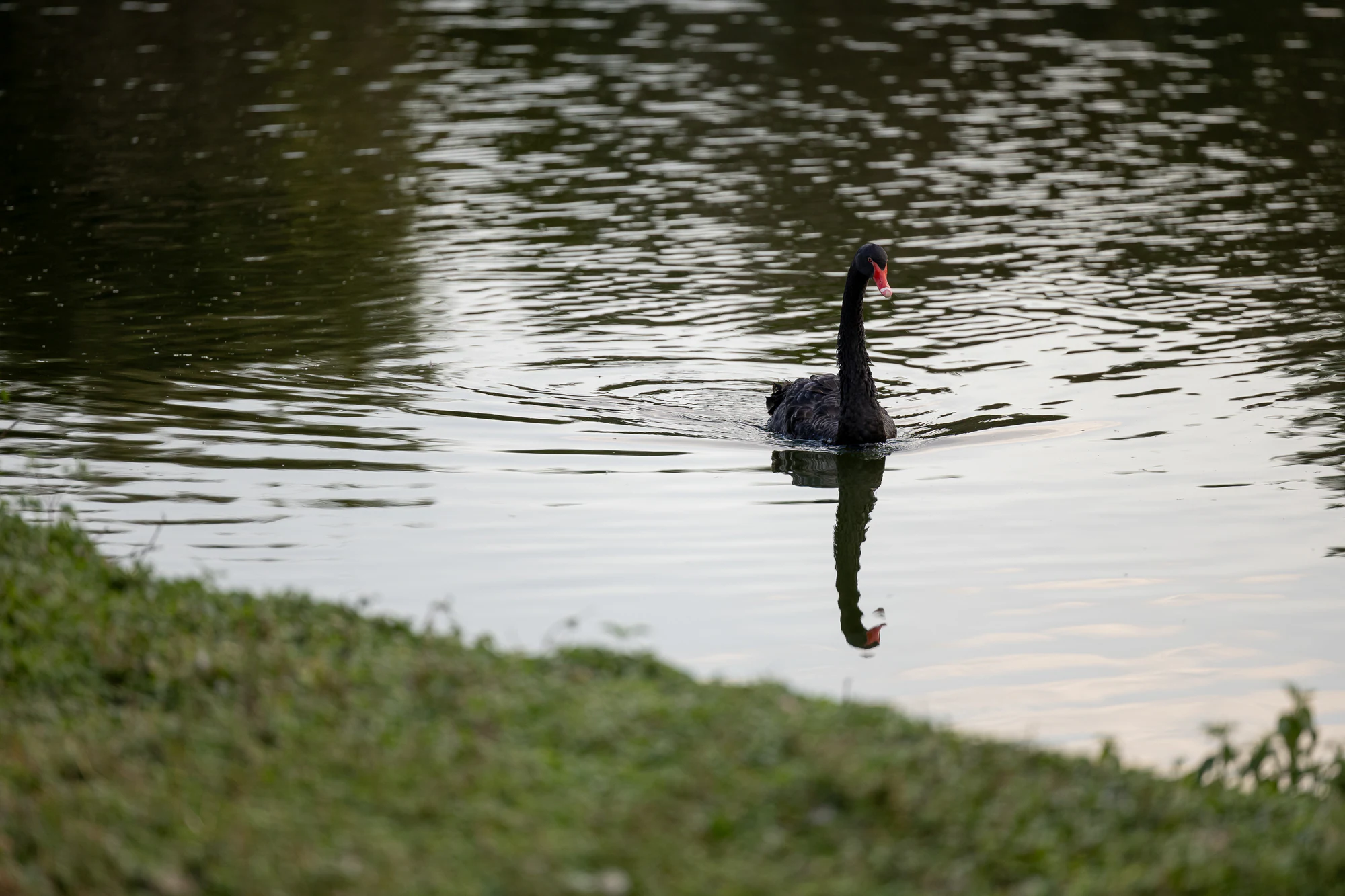
The historical wild-fauna inventory includes great egret (Ardea alba) and black-crowned night heron (Nycticorax nycticorax). These records give birdwatchers a useful starting point, not a promise of a sighting today. Watch the margins of the water patiently and allow birds to choose their distance. Ornamental or managed waterbirds must not be confused with native wild fauna. The archival pond photograph accompanying this guide is intentionally not a species-identification plate.
Art also rewards slow looking. MAM’s free outdoor sculpture garden places artworks within landscaping commissioned from Burle Marx’s office. Look at a sculpture from two public viewpoints and compare the spaces around it, not only the object. This is a good way to enjoy the cultural side of Ibirapuera even when you have no appetite for a long gallery visit.
Choose Museu Afro Brasil Emanoel Araujo for African and Afro-Brazilian art, history and memory, with particular attention to Black contributions to Brazilian society. Its setting is the Padre Manoel da Nóbrega pavilion, designed by Oscar Niemeyer. Choose MAM for modern and contemporary art, chiefly Brazilian, and check the temporary exhibitions rather than assuming the entire collection is on view. The MAM building was adapted by Lina Bo Bardi in 1982, adding another layer to the park’s architectural story. Turn your visit into a safari! Use the Snappit app to scan and log wildlife sightings here.