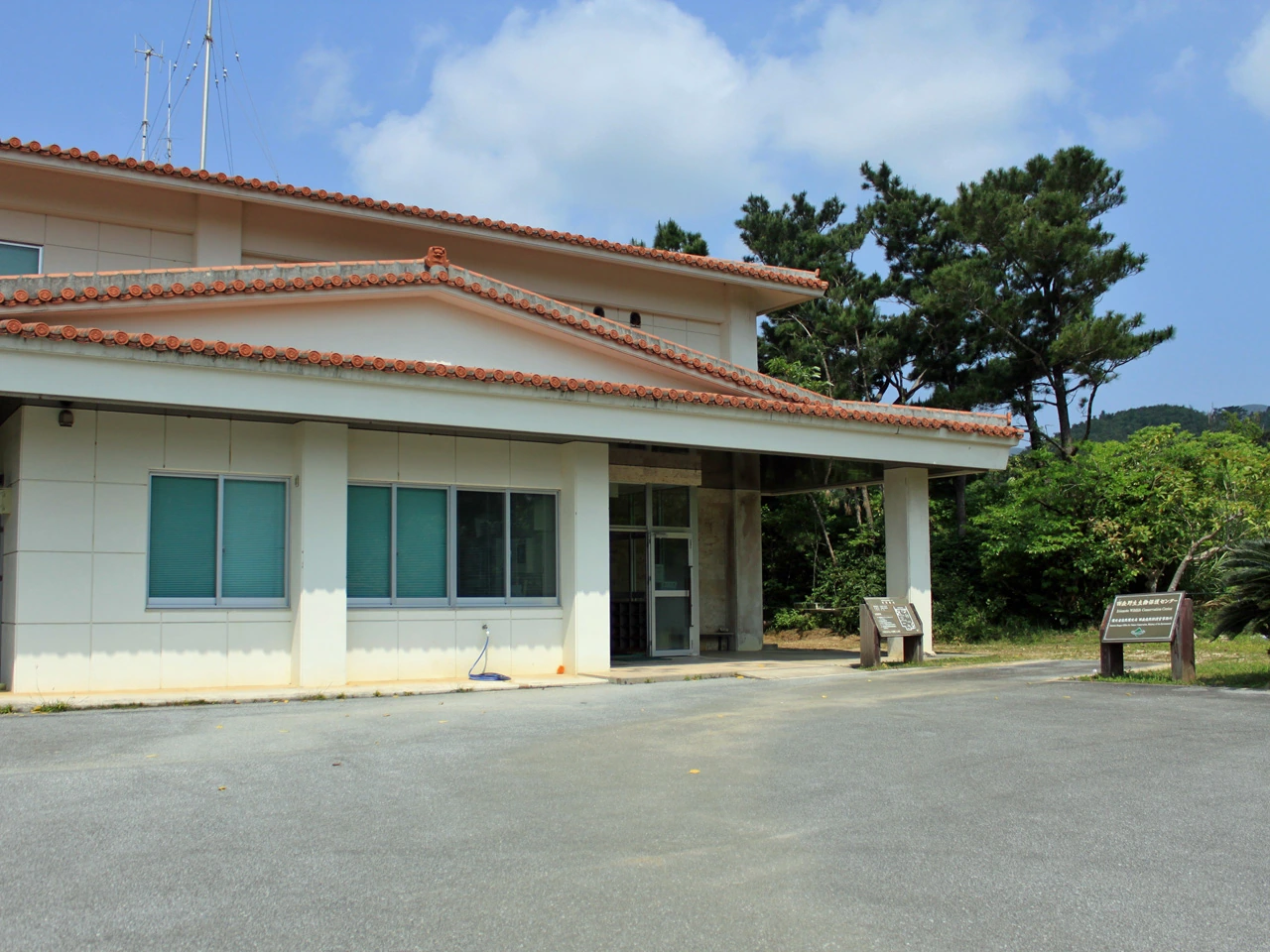
Start with the island’s best-known animal, then spend time in the habitat that supports so much of its life. At the Iriomote Wildlife Conservation Center in Komi, exhibits introduce the elusive Iriomote cat and the work that goes into keeping it safe. A short road journey takes you back to Ōhara, where a Nakama River cruise brings the mangroves into view without a jungle trek.
Iriomote-Ishigaki National Park extends across islands and coral-rich seas in Okinawa’s Yaeyama group. Ishigaki is the main travel hub, while Iriomote lies farther west. This day stays on eastern Iriomote. The center and river are separate stops connected by road; visits to Ishigaki’s reefs, bays or mountains need their own time.
The center makes a good first stop because it changes what you notice outdoors. Its exhibits, renewed in 2022, include a wildlife-friendly driving simulator and a large mural showing how the island’s habitats fit together. Look at the cat’s markings, then follow its connections with forest, wetlands and the road that people and animals have to share. Rescued cats are kept away from public view so they can return to the wild.
On the river, turn your attention from searching for a particular animal to the forest itself. Watch how the trees crowd the water’s edge and look for the different root shapes exposed beside the boat. Mangrove is a name for a group of plants adapted to tidal conditions, rather than one tree species. The changing water level helps explain why this landscape looks different from a freshwater woodland.
Choose the shorter, boat-only mangrove course for this visit. It takes about 50–60 minutes and returns to Ōhara. As checked on 16 October 2026, the operator has suspended its longer upstream giant-tree course because the boardwalk is damaged. Leave that walk out of your plans until the operator announces that it has reopened. Take the ultimate field guide with you: use the Snappit app to identify birds, plants, and animals on your trip.
The park became Iriomote National Park on 15 May 1972, when Okinawa reverted to Japan. Parts of Ishigaki were added on 1 August 2007, giving it today’s name. A 2016 expansion brought almost all of Iriomote within the park.