




King Cobras
The Kentucky Reptile Zoo is a unique and vital conservation and research facility offering an intimate encounter with over 100 species of reptiles from around the globe.
The Kentucky Reptile Zoo is a unique and vital conservation and research facility offering an intimate encounter with over 100 species of reptiles from around the globe. Nestled in the scenic Red River Gorge area of Slade, Kentucky, this non-profit zoo provides an engaging and educational experience for visitors of all ages, focusing on dispelling myths and fostering appreciation for these often-misunderstood creatures. The visitor experience is deeply informative, with knowledgeable guides providing insights into the animals and their habitats. What truly sets this venue apart is its critical role in medical research, providing life-saving venom for antivenom production and pharmaceutical studies, including research into treatments for cancer and lupus. Visitors can often witness the fascinating and rare process of venom extraction, a testament to the zoo's profound contribution to science and public health. Beyond its scientific endeavors, the Kentucky Reptile Zoo serves as a dedicated rescue and rehabilitation center, caring for reptiles in need and promoting conservation through public education. The exhibits are housed in separate, climate-controlled indoor buildings, ensuring the comfort of the reptiles and providing a safe viewing environment. Walking between these buildings offers a chance to appreciate the natural surroundings of the Red River Gorge. The zoo showcases an extensive collection of venomous snakes, large constrictors, various turtles and tortoises, and even alligators. It’s a compelling destination for anyone eager to learn more about the diverse and crucial role reptiles play in our world, making it a truly enriching visit. Don't forget to bring the Snappit nature identification app along to scan local species.
The Kentucky Reptile Zoo was founded in 1990 by Jim Harrison. For over 30 years, it has operated with a dual mission: to educate the public about reptiles and their ecological importance, and to provide venom for critical medical and pharmaceutical research. Jim Harrison, alongside co-director Kristen Wiley, has been instrumental in establishing the zoo as one of the most legitimate venom providers globally, a distinction held by only a few facilities worldwide. The zoo's vital contributions have earned it features on prominent channels like Animal Planet and National Geographic Television.
Beyond the exhibits and shows, visitors can interact with guides, who are eager to share information about snakebite, local and exotic reptile trivia, and the conservation efforts of the zoo.
While the exhibits are indoors and climate-controlled to maintain optimal conditions for the reptiles, visitors will walk between separate buildings. Therefore, wearing comfortable shoes and dressing appropriately for outdoor weather is advised.
The exhibits are housed indoors, but movement between separate buildings requires walking outdoors. There are no public restrooms on site; visitors are advised to stop at a rest area before their visit.
Witness the critical process of venom collection from some of the world's most venomous snakes, an integral part of the zoo's medical research mission. This often occurs during the 1 pm show on weekend days.
Engage with knowledgeable guides during live presentations, often featuring non-venomous reptiles, to learn fascinating facts and ask questions.
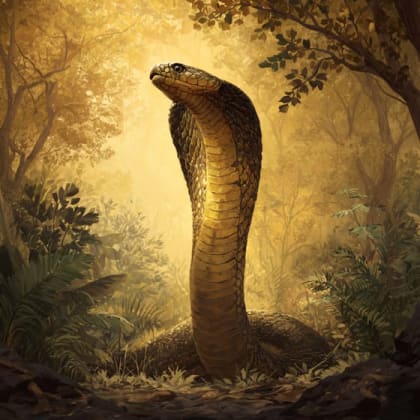
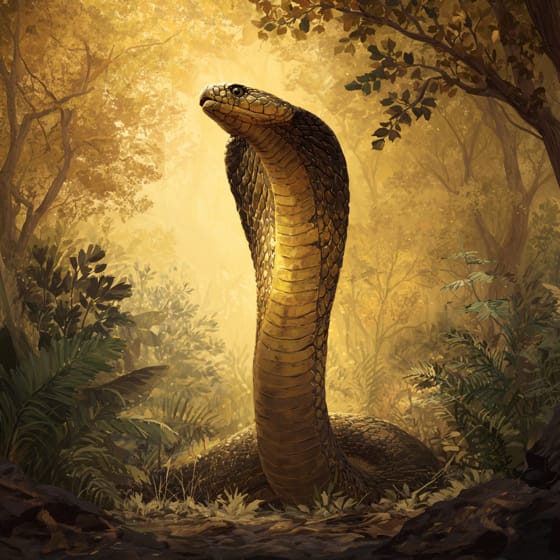
Explore buildings housing a wide array of species, from various mambas, cobras, and rattlesnakes to large constrictors like anacondas, as well as different species of lizards, turtles, tortoises, and alligators.
Each card links to a full Explore page with photos, traits, and fun facts.
Start with the big picture, then zoom in to explore individual wildlife observations around this place.
Call Ahead for Show Schedules
If seeing a venom extraction is a priority, call the zoo on the morning of your visit to confirm the scheduled time, as they are subject to change.
Wear Comfortable Shoes
You will be walking between several indoor exhibit buildings, so comfortable footwear is recommended.
Plan for Restroom Stops
Since there are no restrooms at the zoo, plan to make a stop at a rest area before arriving.
Engage with Guides
The staff are very knowledgeable; don't hesitate to ask questions about the reptiles or the zoo's conservation and research work.
Allow Ample Time
While a quick tour can be 30-45 minutes, allow at least 1-2 hours, especially if you wish to attend a show and thoroughly explore the exhibits.
Visit in Conjunction with Red River Gorge: The zoo is located near the Red River Gorge, making it a great complementary stop if you're already in the area for hiking or other outdoor activities.
Recent snaps will appear here as new observations are added.

Michigan, US
You might spot African Lion, Komodo Dragon, and Brown Bear.
View guide →
.jpg)
Municipal District of Cobh, IE
You might spot Ring-Tailed Lemur, Giraffes, and Cheetahs.
View guide →

Nouvelle-Aquitaine, FR
You might spot Greater Flamingo, Giraffes, and Red Panda.
View guide →

Texas, US
You might spot Giraffes, African Lion, and Eastern Black Rhinoceros.
View guide →