
Park166 sightings50 species
Maryland, US
Rock Creek Regional Park
You might spot White-Tailed Deer and Eastern Gray Squirrel.
View guide →
## St. Mary's Alpine Provincial Park: A Wilderness Haven in the Purcell Mountains
St. Mary's Alpine Provincial Park, nestled within the rugged Purcell Mountains of British Columbia, is a true sanctuary for the experienced backcountry adventurer. This remote wilderness boasts a spectacular landscape characterized by towering granite cliffs, pristine alpine lakes, and dramatic cascading waterfalls, some plunging up to 150 meters. It's a place where untouched nature reigns supreme, offering an unparalleled sense of solitude and a profound connection with the wild.
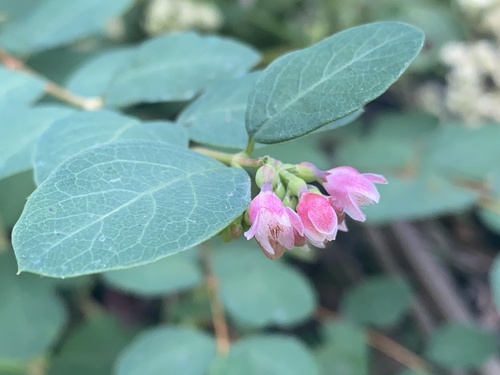
Encompassing over 90 square kilometers, the park's diverse terrain includes high-altitude tundra, lingering snowfields, and dense forests, all sculpted by glacial activity. Visitors can discover 32 exquisite alpine lakes, fed by seven creeks that carve out numerous cataracts and falls. The park is also home to a unique array of alpine flora, including delicate Mat Saxifrage clinging to rocky outcrops and the charming Common Snowberry flourishing in its natural habitat, providing splashes of life across the rugged landscape.
A visit to St. Mary's Alpine Provincial Park is an unforgettable journey into the heart of British Columbia's wilderness. It calls to those seeking a challenge, offering demanding hiking, mountaineering, and exceptional photographic opportunities of its grand vistas and unique plant life. The reward is a rare encounter with an untamed ecosystem, where the absence of crowds allows for deep immersion in the serene beauty and formidable power of the alpine environment. Don't forget to bring the Snappit nature identification app along to scan local species.
St. Mary's Alpine Provincial Park was established in 1973, setting aside this significant alpine region for preservation. The park lies within the traditional territory of the Ktunaxa First Nation, who have long considered this area vital for hunting and gathering. While no known cultural sites exist within the park boundaries, its historical significance as a traditional use area for indigenous peoples underscores its deep connection to the land and its enduring natural value.
Activities primarily revolve around wilderness exploration:
Hiking: Explore unmaintained routes and challenging terrain.
Wilderness Camping: Permitted throughout the park, following Leave No Trace principles.
Fishing: Opportunities exist in Spade Lake and the lower reaches of White Creek (valid BC fishing license required).
Mountaineering & Climbing: Remote and challenging for experienced parties.
Backcountry Ski Touring: Available during winter months.
Flora Observation: Look for Common Snowberry and Mat Saxifrage in their alpine habitats.
Summer: Be prepared for sudden and rapid weather changes, including lightning storms with hail and snow.
Autumn (mid-September): The park is adorned with golden alpine larches, and undergrowth starts to die back, potentially easing travel.
Winter: Offers opportunities for extended backcountry ski touring.
St. Mary's Alpine Provincial Park is a true wilderness area with no maintained trails, paved paths, or facilities for wheelchair access. Access often involves logging roads, some of which may be washed out or require a high-clearance 4x4 vehicle. Route-finding skills are essential.
The park's main attractions include its numerous high-altitude lakes and tarns, dramatic granite cliffs, impressive waterfalls reaching up to 150 meters, and expansive areas of tundra and lingering snowfields.
Each card links to a full Explore page with photos, traits, and fun facts.
We are still adding species preview cards for this place.
Start with the big picture, then zoom in to explore individual wildlife observations around this place.
Be fully self-sufficient
There are no supplies or potable water available in the park. Bring all necessary food, water (or purification methods), and equipment, including a portable stove for cooking.
Dress for extreme weather
Weather conditions can change rapidly in the alpine, even in summer. Always carry strong waterproof boots, rain gear, and extra warm clothing.
Plan and inform
Register your trip itinerary with friends or family and check in and out with them. This is crucial for your safety in this remote area.
Practice Leave No Trace
Minimize your impact on the environment by burying human waste away from water sources, using impacted campsites when possible, and packing out all garbage. If you build a fire, do so on rocks or remove sod and replace it afterward.
Master navigation
Trails are often unmaintained or non-existent. Proficiency with a map, compass, and GPS is essential for safe travel and route finding.
Assess access roads
Be aware that logging roads leading to trailheads can be rough, washed out, or require a high-clearance 4x4 vehicle. Check road conditions before you go.
Recent snaps will appear here as new observations are added.
Maryland, US
You might spot White-Tailed Deer and Eastern Gray Squirrel.
View guide →
.jpg)
District of Columbia, US
You might spot Eastern Gray Squirrel, Duck, and House Sparrow.
View guide →

Illinois, US
You might spot American Robin, Canada Goose, and House Sparrow.
View guide →

Virginia, US
You might spot Spotted Lanternfly and Northern Cardinal.
View guide →
Take the discovery with you
Identify the wildlife you spot, learn as you go, and keep a collection of the adventure.