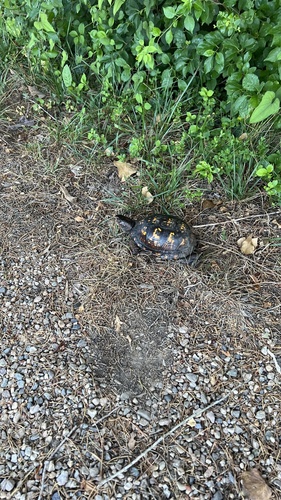
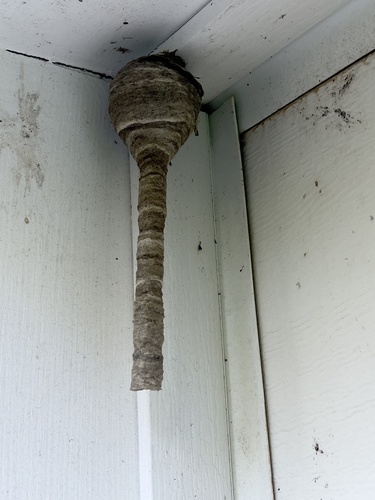
Eastern Box Turtle

Discover Advance Mills, a charming historic mill community nestled in picturesque Albemarle County, Virginia.
Discover Advance Mills, a charming historic mill community nestled in picturesque Albemarle County, Virginia.
Advance Mills, often mistakenly identified as a traditional park, is in fact a historically significant unincorporated community and designated historic district in Albemarle County, Virginia. This tranquil locale invites visitors to step back in time and explore the remnants of a vibrant 19th-century milling village along the scenic North Fork of the Rivanna River. While it doesn't house curated exhibits or captive animal collections in the manner of a zoo or botanical garden, its charm lies in its preserved historical structures and the enduring natural beauty of its rural setting.
Key "exhibits" within this living historical landscape include the historic Advance Mills Bridge, a notable metal truss bridge, and the preserved J. M. Fray House, dating back to 1810 and considered the best-preserved home in the district. Visitors can also observe the historic mill site, where the community's economic heart once thrived, and the location of a former general store, all set against the backdrop of the gently flowing Rivanna River. The surrounding bucolic countryside offers opportunities to observe common native Virginia flora and fauna in their natural habitat.
A visit to Advance Mills is an opportunity for quiet reflection, an appreciation for local history, and a chance to experience the serene rural landscapes of Central Virginia. It's a place where history buffs can connect with a bygone era, photographers can capture picturesque scenery, and anyone seeking a peaceful escape can enjoy the gentle rhythms of a historic riverside community. Enhance your adventure: download the Snappit app to identify the local species you encounter.
Advance Mills began its life as a bustling mill village, established around a mill constructed by John Fray in 1833 on the North Fork of the Rivanna River. For over fifty years, the village was known as Fray's Mill before officially becoming "Advance Mills" in 1888, a name reputedly coined by John Fray due to frequent comments about the progress being made there. By the early 20th century, this settlement had expanded to process corn, flour, wool, sumac, and lumber for local farmers, complemented by a general store that served the area's residents. The community's heyday as an economic and social hub gradually declined in the latter half of the 20th century, largely due to industrialization, the widespread adoption of electricity, and the increased efficiency of automobiles, which rendered many small, isolated milling communities obsolete. Despite the eventual destruction of the mill by fire in 1948 (after a previous fire in 1898), the area's historical significance was recognized with its listing on the Virginia Landmarks Register in 2000 and the National Register of Historic Places in 2002 as the Advance Mills Historic District. Today, it remains a residential community, with its historical integrity largely preserved within its 85-acre historic district.
Stroll through the historic district to admire the architecture of the surviving 19th and early 20th-century buildings. Visit the Advance Mills Bridge for views of the Rivanna River. Observe the remnants of the mill site, reflecting on its industrial past. Enjoy the peaceful, rolling countryside typical of Albemarle County. Photography is highly recommended for both historical and natural scenery.
Spring: Mild temperatures, blooming wildflowers, and lush greenery along the Rivanna River.
Summer: Warmer temperatures, ideal for riverside contemplation, but be prepared for humidity and insects.
Fall: Crisp air, spectacular fall foliage, and comfortable walking conditions.
Winter: Cooler temperatures, bare trees offering clearer views of the landscape, and a quiet, contemplative atmosphere.
As an unincorporated community and historic district, accessibility may be limited. Roads are generally rural, and paths around historic sites might not be paved or universally accessible. Visitors should be prepared for uneven terrain and respect private property. The area is accessed via county roads like Advance Mills Road (Route 743) and Frays Mill Road (Route 641).
The historic Advance Mills Bridge, the site of the original mill, the well-preserved J. M. Fray House (c. 1810), and other contributing historic homes and outbuildings within the district. The North Fork of the Rivanna River itself is a central feature.
Each card links to a full Explore page with photos, traits, and fun facts.


















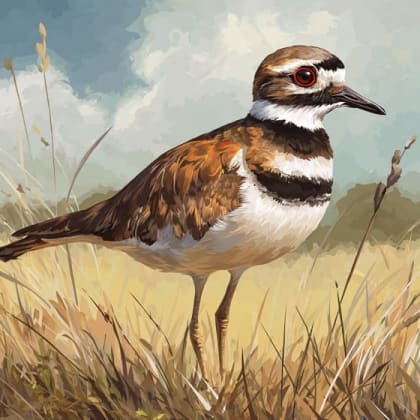










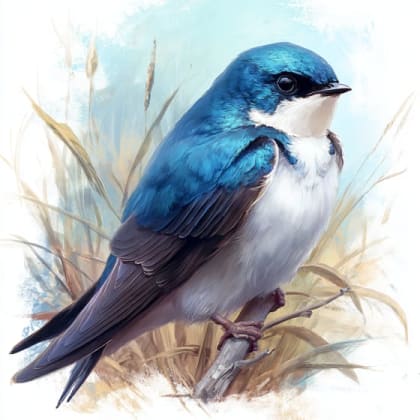








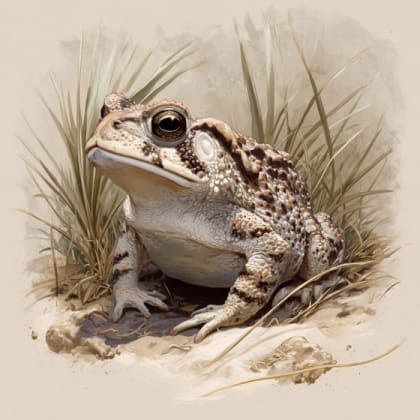









Start with the big picture, then zoom in to explore individual wildlife observations around this place.
Respect Private Property
Most of Advance Mills is residential, and historic buildings are often private homes. Observe from public roads and areas, and do not trespass.
Wear Comfortable Footwear
For exploring the historic area and potentially walking along rural roadsides, comfortable walking shoes are recommended.
Bring a Camera
The blend of historic architecture, rural landscapes, and river views offers excellent photographic opportunities.
Check Local Road Conditions
Rural roads, especially near the river, can sometimes be affected by weather, such as heavy rains causing temporary closures or washouts.
Pack Essentials
Bring water, snacks, and insect repellent, especially during warmer months, as amenities are limited within the immediate historic area.
Combine with Nearby Attractions
Consider visiting Advance Mills as part of a larger tour of Albemarle County's many historical sites, wineries, and natural areas near Charlottesville.
Jun 13, 2026
Photo attribution
no rights reserved
License: CC0 1.0 ↗
Image may be shown cropped inside the card frame.
Jun 2, 2026
Photo attribution
(c) Guy Babineau, some rights reserved (CC BY)
License: CC BY 4.0 ↗
Image may be shown cropped inside the card frame.
May 28, 2026
Photo attribution
(c) Guy Babineau, some rights reserved (CC BY)
License: CC BY 4.0 ↗
Image may be shown cropped inside the card frame.
May 17, 2026
Photo attribution
(c) K.Wesley, some rights reserved (CC BY-SA)
License: CC BY-SA 4.0 ↗
Image may be shown cropped inside the card frame.
May 12, 2026
Photo attribution
no rights reserved
License: CC0 1.0 ↗
Image may be shown cropped inside the card frame.

Maryland, US
You might spot White-Tailed Deer and Eastern Gray Squirrel.
View guide →
.jpg)
District of Columbia, US
You might spot Eastern Gray Squirrel, Duck, and House Sparrow.
View guide →

Illinois, US
You might spot American Robin, Canada Goose, and House Sparrow.
View guide →

Virginia, US
You might spot Spotted Lanternfly and Northern Cardinal.
View guide →
Take the discovery with you
Identify the wildlife you spot, learn as you go, and keep a collection of the adventure.