Snappit logo
Snappit
Get App
Generic illustration, not a photograph of this venueIllustration
ZooNordrhein-Westfalen, Germany

Tierpark Weeze

Visit Tierpark Weeze for a relaxed, free outing that brings farm animals, deer and small creatures into one manageable family day.

About

Visit Tierpark Weeze for a relaxed, free outing that brings farm animals, deer and small creatures into one manageable family day. Start on the café side with llamas, alpacas and the tawny-owl enclosure, then wander towards the goats, ponies and donkeys. The Poitou donkeys, with their long, shaggy coats, are worth a proper pause.

The park stretches along the Niers beside Schloss Hertefeld, with another animal area beyond the B9. Use the underpass to reach the deer meadows, the animal barn and a play stop. This makes it easy to choose between a shorter farm-animal visit and a fuller round with more room for watching. A bat information trail and the transformer tower add a nature-learning thread to the walk. Entry is free; allow for parking if you arrive by car. Wondering what that bird or insect is? Find out on your visit using the Snappit nature app.

The insectarium joined the park in summer 2017. More recent improvements include a new sheep shelter and a feed dispenser added in spring 2025, supported by the park’s friends’ association. Caring for old domestic breeds, including Poitou donkeys and Bentheimer pigs, is an important part of the park’s work.

What to do here

Use the park plan to pick a handful of stops rather than hurry between every enclosure. Watch the donkeys and miniature Shetland ponies, spend time with the dwarf goats in the petting area, then look through the insectarium’s terrariums. Across the B9 underpass, visit the barn and pause by the red and fallow deer meadow; the raised viewing platform gives another viewpoint. Follow the four stations of the Fledermaus-Pfad if the children still have energy. You can finish with the play area or return to an animal you especially enjoyed.

Seasonal info

The park is open year-round. The insectarium, toilets, barn and transformer tower have their own hours: 10:00 until dusk from 1 April to 15 October, and 10:00–16:00 from 16 October to 31 March. Plan winter toilet and indoor stops before 16:00. Check the official news and opening page before travelling for operational changes, especially any animal-health restrictions affecting the barn.

Accessibility

If you use a wheelchair, walking aid or pushchair, ask the park about the most suitable circuit, including the B9 underpass and barn entrance. Check access separately before including the raised deer-viewing platform. Toilets are marked near Café Eselsohr and follow the seasonal facility hours.

Don't miss

1

Poitou donkeys

Look closely at the long coats of this distinctive domestic breed.

2

Two sides to explore

Farm animals by the café, then deer meadows and the barn through the B9 underpass.

3

Small-animal stops

The insectarium and animal barn reward a slower look.

4

Nature and play

Follow the four-station bat information trail and leave time for the play area.

Walks and routes

Fledermaus-Pfad bat information trail

The plan marks the start just beyond the B9 underpass and four information stations on the deer-meadow side, continuing towards the transformer tower. Follow the signs and pause wherever a panel catches your children’s interest.

Choose only the sections that suit your group’s mobility and turn back whenever you need to.

Fledermaus-Pfad bat information trail

Keep a short visit on one side

If energy is limited, choose the llamas and alpacas, goats, ponies and donkeys on the café side, adding the insectarium during opening hours. On a longer visit, go through the underpass for the barn, deer and bat-trail stations. Use the plan to choose your own order.

Things to try

Let the children choose a comparison

Pick two of the farm animals and ask everyone to notice one difference: ears, coat, feet or the way they move. Check the labels afterwards. This works just as well for a child who wants to draw as for one taking photographs.

Look small in the insectarium

Try finding an animal in each terrarium before reading its label. The collection includes giant land snails, rose chafers and several kinds of stick insect. Give each display a slow look, without tapping on the glass.

Wildlife and habitats

Look for the Poitou donkeys’ long, shaggy coats. Watch how one animal changes its ear position while resting or listening; there is plenty to notice without calling to it.

The miniature Shetland ponies make a good comparison with the donkeys. Ask children to describe the mane, ears and overall shape before they look at the enclosure label.

Watch the dwarf goats before entering the petting area. Notice which animals approach and which prefer to stay back, and let that guide how close you get.

Choose one llama and watch its posture for a little while. Then compare its head and body shape with an alpaca, checking the signs to keep the two straight.

Look for differences between individual alpacas as well as between species. Which has the fullest fleece, and which is easiest to recognise by its colour?

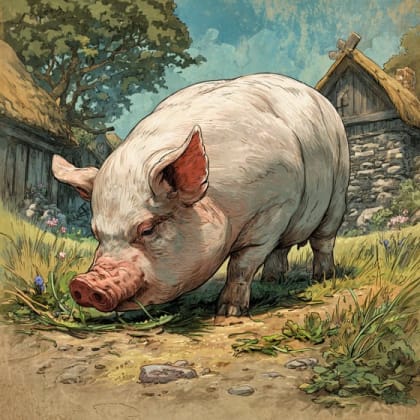
Find the pig enclosures on the parking side of the plan. Spend a moment watching an animal move or investigate its surroundings, then check the sign for its breed.

Scan the perches slowly before moving on. A still owl can be easy to miss; enjoy the view quietly and let a resting bird stay undisturbed.

At the deer meadow, start with a wide view and then follow one animal. Is it walking, feeding or resting? The viewing platform offers another angle if it suits your group.

Use the enclosure signs to distinguish fallow deer from the other deer. Watch a small part of the group for a while rather than trying to photograph every animal at once.

Keep an eye out for the sika-deer sign during your round. Compare the animals you can see with the red and fallow deer, leaving space for them to rest away from the fence.

In the barn, choose a quiet spot and watch the guinea pigs at their own level. Small changes in movement are easier to notice when you stay still.

Watch a rabbit’s ears and nose while it pauses. For any closer contact, wait for staff permission and the supervised session; otherwise enjoy watching from the visitor area.

The listed animal targets live in the park’s care, including the deer. They are captive animals, not records of wild sightings. Give every animal space, and expect that some may be resting out of view.

Stories and discoveries

A different kind of conservation

The Poitou donkey is a domestic breed from France. Its long coat makes it memorable, but it also opens a useful conversation about preserving variety among farm animals. Ask children which familiar animal surprised them most today.

Getting there and practical advice

A useful pause by the café

The park plan puts Café Eselsohr, the toilets and the insectarium together on the farm-animal side. It is a convenient place to make a toilet stop before continuing through the underpass. The café’s morning-only schedule makes it worth planning your refreshment break early.

Sources and useful links

Wildlife you might spot

12

Each card links to a full Explore page with photos, traits, and fun facts.

Snap map for this place

Start with the big picture, then zoom in to explore individual wildlife observations around this place.

Loading map…

Good to know before you go

Arrival

Use Hertefeld 4, 47652 Weeze, and the official plan to orient yourselves around the parking area and café.

Parking payment

Bring a contactless debit or credit card. Parking is charged separately; EasyPark is another option with an additional service fee. Check the tariff before leaving the car.

By train

Plan your journey to Weeze station on Bahnstraße, then check the onward walking route to Hertefeld 4 and your return connection.

Crossing the B9

Use the park’s marked underpass, number 18 on the plan, to reach the deer-and-barn side.

Animal food

Use only park-supplied feed for the animals named on the feeding signs. It is not suitable for birds; never feed food brought from home directly to the animals.

Gentle encounters

Let animals come to you in the petting area. Keep children close and wash hands before eating.

Book ahead

Request guided visits in writing at least two weeks in advance. General tours, insectarium tours and small-group donkey experiences have separate arrangements.

Save the plan

Download it before you arrive so you can find the toilets, underpass, barn and bat-trail stations without retracing your steps.

Frequently asked questions

Dogs are welcome in the park on a lead. Other pets are not allowed. Café Eselsohr does not allow dogs inside.
Only in the designated areas, at the permitted times and under supervision. Follow the staff’s instructions; a visit to the barn does not automatically include a petting session.
Café Eselsohr serves breakfast, cakes and drinks. It opens Wednesday–Friday 09:00–12:00 and weekends and public holidays 09:00–13:00; Monday and Tuesday are rest days. Check current hours and bring your own refreshments for an afternoon visit.
The insectarium and barn offer shorter sheltered stops during their opening hours. You will still walk outside between areas, so bring waterproofs and keep the deer-and-play part flexible.
Treat the Fledermaus-Pfad as an information trail. A daytime visit is about learning at its four stations; it does not include a bat encounter.

Recent snaps at this place

Recent snaps will appear here as new observations are added.

View all ›

Take the discovery with you

Exploring Tierpark Weeze?

Identify the wildlife you spot, learn as you go, and keep a collection of the adventure.

  1. 1Spot it
  2. 2Snap it
  3. 3Keep the discovery