Snappit logo
Snappit
Get App
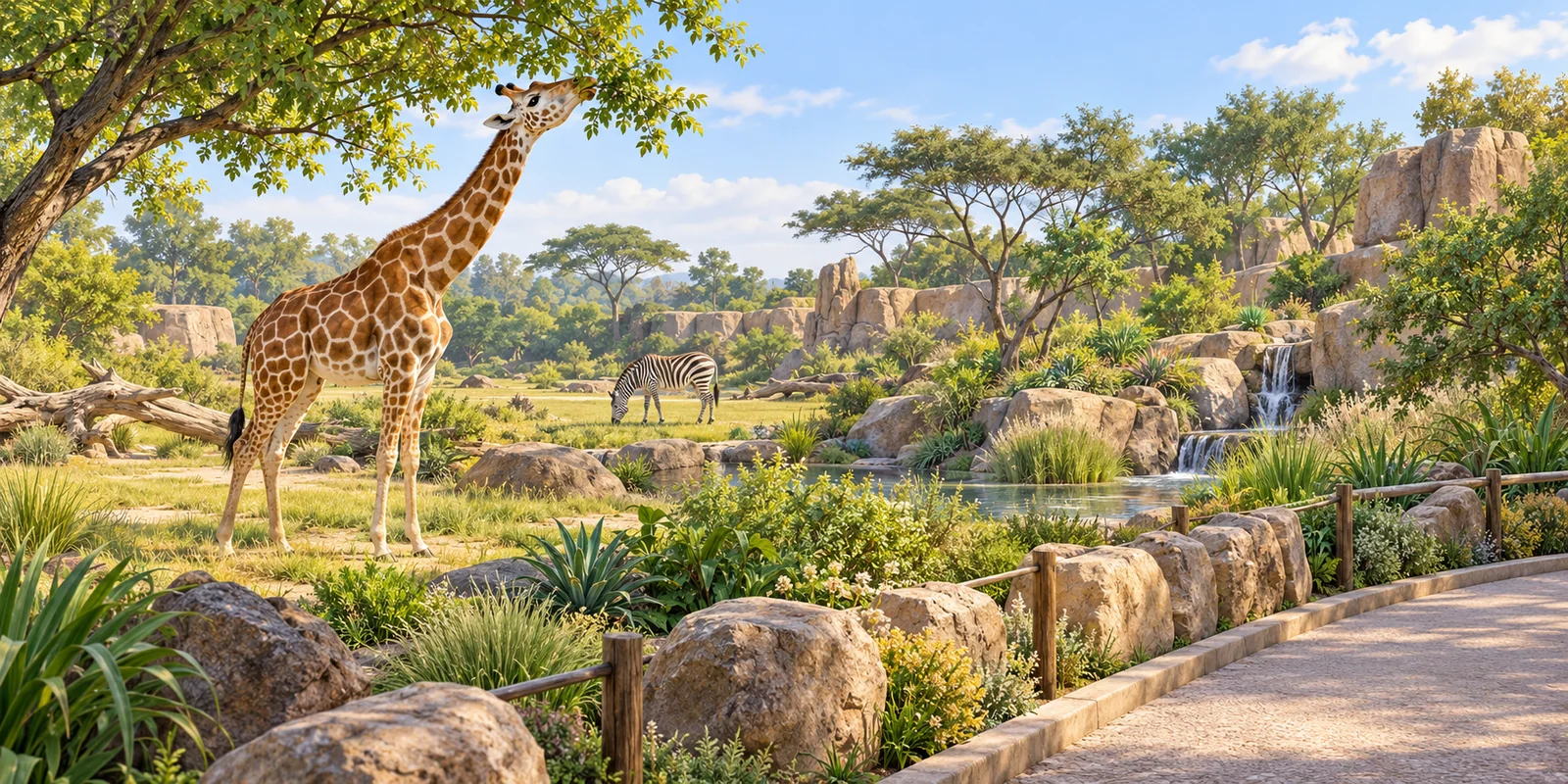
Generic illustration, not a photograph of this venueIllustration
ZooNiedersachsen, Germany

Tierpark Essehof

Come to Tierpark Essehof for an animal-filled outing with enough space in the day for climbing, picnicking and looking beneath a pond.

About

Come to Tierpark Essehof for an animal-filled outing with enough space in the day for climbing, picnicking and looking beneath a pond. Between Braunschweig and Wolfsburg, this green, family-run park combines zoo animals with small discoveries that children can investigate at their own pace. Start at the Gewässerlehrpfad near the entrance: it gives the visit a distinctive beginning before the bigger animals take over.

Here, four small ponds and biological filters show how water can be cleaned as it circulates. A roughly 30-metre oak bridge crosses the larger reservoir pond, while the underwater station offers a view through glass from below the surface. Try comparing the same watery world from above and below. Fish may be much easier to notice once you stop moving and let your eyes settle; resist the temptation to rush on after a quick glance.

Elsewhere, you can meet a mixture of animals that rewards comparison: emus and Bennett's wallabies in the Australia area, striped zebras, long-necked alpacas, meerkats and fallow deer. Some enclosures can be entered when open, but the animals must always have room to move away. The playgrounds are worth treating as part of the visit rather than something to squeeze in at the end. An animal stop, a play break and another animal stop is a comfortable rhythm for a family with different attention spans. Explore the grounds like a pro—download the Snappit app to instantly identify animals and plants.

Werner Beller began keeping animals on part of the site in 1958, and the park opened to visitors on Good Friday in 1968. The Wilhelm family took over in 1991. The water-learning trail, underwater station and oak bridge were added in 2002; the Australia area followed in 2007. Those changes help explain the park's mix of traditional animal enclosures and hands-on nature learning.

What to do here

Use the entrance map to choose a manageable circuit. After the water trail, follow the public paths towards the alpacas and the Australia area, then include the meerkats and zebras. If everyone still has energy, add the fallow-deer area and the farther playground before returning to the café.

For a more focused visit, download the park's 2026 animal quiz before leaving home. Its ten clues give younger visitors a reason to look closely. You can also set your own small challenge: choose three animals and notice how differently they move, rest or use their feet. Ask at the entrance about that day's feeding displays rather than arranging the whole visit around an assumed timetable.

Seasonal info

The park opens throughout the year, with shorter winter and holiday hours. Check the date-specific opening calendar before travel, especially around Christmas and New Year. Storms, icy conditions or other severe weather can cause a short-notice closure. This is mainly an outdoor outing; dress for time spent standing still as well as walking.

Accessibility

The map marks an accessible toilet by the entrance. Pushchairs are not permitted inside the fallow-deer enclosure. The underwater station involves a descent; ask the park about step-free access before making it essential to your visit. Path surfaces, gradients and access through individual enclosure gates are not described in a detailed published access guide, so discuss your particular wheelchair or walking needs with the team on +49 5309 8862.

Don't miss

1

Look into a real pond through the underwater station window, then compare the view from the oak bridge.

2

Watch emus and Bennett’s wallabies in the Australia area, using the signed visitor access where open.

3

Make time for meerkats, alpacas and the fallow-deer enclosure between playground breaks.

4

Bring a picnic or pause at the café; the outing can grow naturally from a short animal visit into a half-day.

Walks and routes

Ponds, Australia and animal favourites

Begin with the water trail near the entrance, then use the park map to link the alpacas, Australia area, meerkats and zebras. Extend towards the deer and farther playground if the family wants more. Choose your own return along the open public paths.

Keep pushchairs outside the fallow-deer enclosure. For a step-free visit, ask the park which sections and viewing points suit your needs.


A short visit with one clear focus

For roughly 60–90 minutes, choose either the pond viewpoints or a few favourite animal enclosures, then leave a little time for play. Keep the second theme for another visit rather than hurrying children away from something that has caught their attention.

An unhurried half-day

For roughly 3–4 hours, combine the suggested animal circuit with your own picnic and a longer playground break. Before settling down for food, check which indoor animal viewing you still want to do before the houses close.

Things to try

Make a three-view pond notebook

On a folded sheet of paper, give the pond one panel from the bank, one from the bridge and one from the underwater window. Draw only what you actually notice. Afterwards, compare which details were visible from each position.

Choose your own animal clue

After trying the official quiz, ask each child to invent a clue for one animal without saying its name. Use something visible, such as a pattern or a movement, and let the rest of the family work it out.

A smaller plan for showers

Keep one or two favourite animal stops and the underwater window, with a café pause if open. Bring waterproof layers; these sheltered pauses do not turn the park into an indoor attraction.

Wildlife and habitats

Pause to watch how a wallaby changes from resting to moving. Give it space in the walk-through area and keep the visitor route clear; a good photograph does not require an animal to come towards you.

Compare the emus with their hopping neighbours. Watch their legs and the way they turn as they walk. Let children make the comparison from a comfortable distance rather than trying to attract a bird’s attention.

Take two quiet minutes to see whether the group is doing the same thing or several different things. The park’s quiz asks children to look for upright animals; resting or partly hidden meerkats are equally worth noticing.

Notice differences in coat colour and compare the outlines of two animals. A side-on view can show the long neck particularly clearly. Watch first and follow the signs before attempting any permitted contact.

Approach quietly and watch from the visitor path before going farther into an open enclosure. You may get a more interesting view by waiting for the deer to move naturally. Pushchairs must stay outside this enclosure.

Look for the dark face mask and ringed tail described in the park’s quiz. If an animal is asleep or out of view, come back later rather than calling or tapping. A sleeping animal is part of a real zoo visit too.

Choose one zebra and follow a stripe from its shoulder towards its legs. Sketching a small patch can be more absorbing than trying to photograph the whole animal immediately. Stay on the public side of the fence.

Wait for a bird to settle rather than following every movement with your camera. Compare colours or watch how it uses a perch. Ask where the budgerigars can currently be seen before making this a must-see stop.

Look at the head, neck and feather pattern even if no bird is displaying. A spread tail is never something to expect on demand. Ask staff where to look and let any bird you encounter pass without crowding it.

Stories and discoveries

The ponds are connected

The large pond acts as a reservoir for the four smaller ponds in the water-cleaning circuit. Following the water’s journey gives the bridge and underwater window a second purpose beyond animal watching.

When to visit

Plan around daylight

A winter visit can work well as a shorter round with a warm break. In the longer-day season, a picnic leaves more time to revisit an enclosure where an animal was resting earlier.

Getting there and practical advice

A practical base near the entrance

The map groups the café, toilets, accessible toilet, changing room and a playground near the entrance. It also marks another toilet location farther inside the park. Use these as useful pause points rather than waiting until a child urgently needs a break.

Keep the return journey simple

If coming by bus, save the return connection before entering and leave enough time to walk back to your selected stop. The venue names line 427, but a date-specific journey search is the safest way to plan connections from your starting point.

Ask about the parts you want to visit

When calling ahead, mention whether the underwater window, bridge or walk-through enclosures are important to you. Ask specifically about steps, gate widths, path surfaces and the accessible toilet; an accessible toilet symbol alone does not describe the whole route.

Sources and useful links

Wildlife you might spot

9

Each card links to a full Explore page with photos, traits, and fun facts.

Snap map for this place

Start with the big picture, then zoom in to explore individual wildlife observations around this place.

Loading map…

Good to know before you go

Getting there

Use Am Tierpark 3, 38165 Lehre-Essehof. Parking is free. From the A2 take the Lehre exit; from the A39 take Cremlingen, then follow the Essehof and Tierpark signs.

By bus

Line 427 serves Essehof. Check the Braunschweiger Verkehrs-GmbH journey planner for your exact date, the walk to the entrance and your return connection.

Tickets

Adult and child tickets are sold separately, with the child category covering ages 2–16. Prices increase on 1 January 2027; consult the official visitor page for the rate on your visit date.

Picnic plans

You can bring your own food and drinks, but there is no refrigeration for visitors. Book a barbecue shelter through the official website if you need a reserved base for a group.

With small children

A changing room, highchairs and a microwave for warming baby food are available. Handcarts can be hired for a fee and deposit.

Animal contact

Feed only where permitted and use the feed allowed for that enclosure. Keep picnic food away from animals, let them retreat and wash hands after any contact.

Ponds and play

Stay close to young children beside water, on bridges and around play equipment. Swimming is prohibited, and enclosure fences are not climbing frames.

Coming with a dog

Dogs need a ticket and a short lead. They cannot enter the café or walk-through animal enclosures, so plan who will wait outside with yours.

Frequently asked questions

A normal visit is self-guided. The park currently does not offer special birthday programmes, entertainment or guided tours. For a children’s party, arrange your own activities and use the downloadable quiz if it suits your group.
No. Enter only where the signs allow it, follow the enclosure rules and let animals choose whether to approach. A walk-through enclosure is still the animals’ living space; never follow an animal into its retreat.
The café and underwater viewing can provide pauses, but the main paths, enclosures and playgrounds are outdoors. Choose a shorter animal-focused visit, or save the longer picnic-and-play version for a drier day.
The official visitor page lists free entry for an accompanying person when the visitor’s disability pass carries B, H, aG or Bl. Bring the relevant pass and check any practical access questions with the park before travelling.

Recent snaps at this place

Recent snaps will appear here as new observations are added.

View all ›

Take the discovery with you

Exploring Tierpark Essehof?

Identify the wildlife you spot, learn as you go, and keep a collection of the adventure.

  1. 1Spot it
  2. 2Snap it
  3. 3Keep the discovery