





Indian Peafowl
Pavo cristatus
The Indian Peafowl is a beautiful bird with colorful feathers. The males are known for their stunning tail feathers that they can fan out to impress others.
Habitat: Forests and grasslands
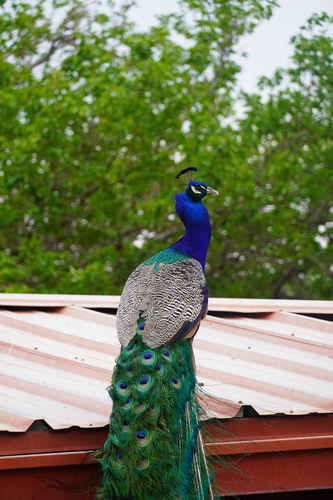
The Indian Peafowl is famous for the male's iridescent blue body and an enormous, fan-like tail, called a 'train,' covered in vibrant, eye-like spots. Females are duller, with brownish-green plumage and a much shorter tail, making them visually distinct.
Category
BirdsRarity
Rare
Danger
2/5 · Low
Snaps
37
A peacock's amazing train feathers can grow over 6 feet long, even longer than its body!
Peacocks can make over 11 different types of sounds, from loud honks to quiet chirps!
Peafowl have a special toe that helps them grip branches tightly while they roost in trees!
Those beautiful 'eyespots' on a peacock's tail are called ocelli!
Indian Peafowl has an enormous, colourful tail that helps them attract mates with a beautiful show.
Indian Peafowl can make incredibly loud, far-reaching calls because of their specialized vocal chords, helping them warn others of danger.
Indian Peafowl can hunt and eat venomous snakes because of their agility and quick reflexes, helping them control pest populations.
These birds are omnivores, eating almost anything from seeds and fruits to insects and snakes!
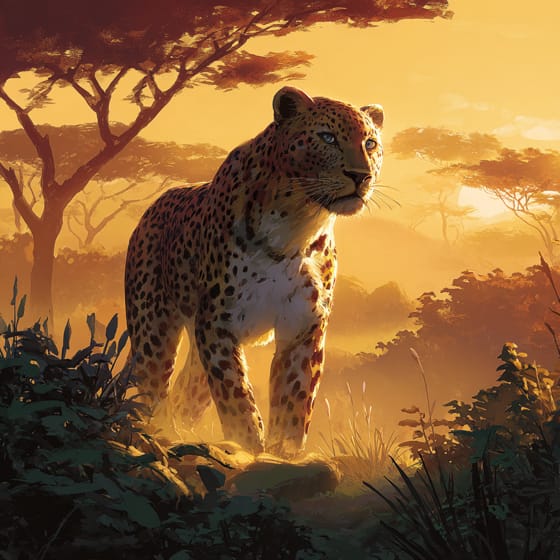
Panthera pardus
Main predator in wild habitats.
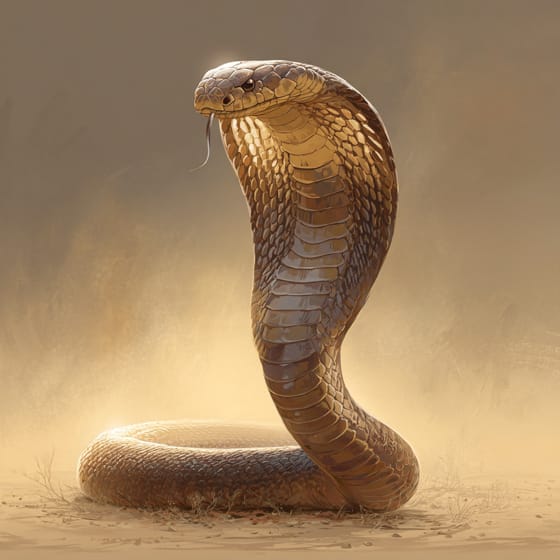
Naja naja
Hunts and consumes venomous snakes.
Ficus religiosa
Often roosts in large trees at night.
Feathered describes animals, primarily birds, possessing a covering of feathers.
Social animals live in organized groups, cooperating for survival benefits such as foraging, defense, and raising offspring.
This trait identifies organisms whose diet includes both plant and animal matter.
Colorful describes organisms or objects displaying a wide range of bright and distinct colors.

Forest habitats are terrestrial environments dominated by dense tree cover, supporting a high diversity of plant and animal life.

This trait characterizes organisms with an exceptionally long lifespan compared to others of their kind.

Diurnal animals are primarily active during daylight hours, typically resting or sleeping at night.

Describes a species whose presence and role have a disproportionately large effect on its environment.

Migratory animals undertake seasonal movements from one region to another, typically in response to changes in climate or food availability.

Nocturnal animals are primarily active during the nighttime hours, typically resting or sleeping during the day.
Danger
2/5 · Low
Watch quietly from a distance and never try to feed or chase wild animals.
The easiest way to identify Indian Peafowl is to use the Snappit nature identifier app.
70-230 cm
140-160 cm
2.7-6 kg
10-25 years
16 km/h
These birds are omnivores, eating almost anything from seeds and fruits to insects and snakes!
Forests and grasslands
Zoom in to split clusters and explore where this object has been snapped.
Apr 12, 2024
Caverns of SonoraPhoto attribution
no rights reserved
License: CC0 1.0 ↗
Image may be shown cropped inside the card frame.

Florida, US
You might spot Crested Anole, Brown Anole, and Peters's Rock Agama.
View guide →

Florida, US
You might spot White Ibis, Green Iguana, and Black-Crowned Night Heron.
View guide →

Florida, US
You might spot Brown Anole, White Ibis, and Anhinga.
View guide →

California, US
You might spot Duck, Mute Swan, and Pond Slider.
View guide →

Oklahoma, US
You might spot Monarch, American Bumble Bee, and Gulf Fritillary.
View guide →

Hawaii, US
You might spot Gold Dust Day Gecko, Brown Anole, and White-Rumped Shama.
View guide →
Take the discovery with you
Snap it with Snappit to identify it, learn what makes it special, and add the discovery to your collection.






.jpg&width=800)





