Snappit logo
Snappit
Get App
Generic illustration, not a photograph of this venueIllustration
ParkTohoku, Japan

Zao Quasi-National Park

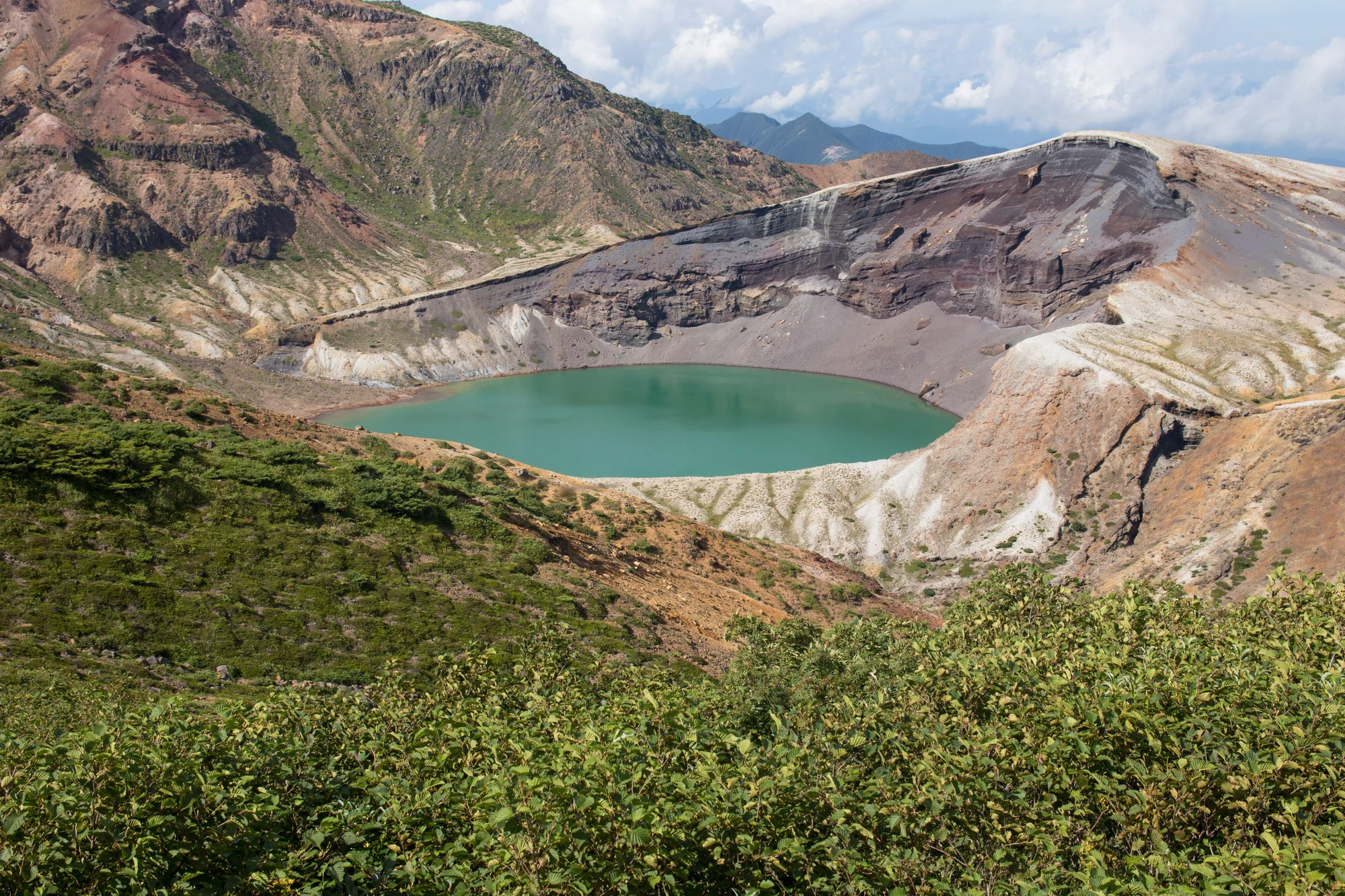
Okama is the moment Zao’s landscape opens up: a bowl of coloured water beneath steep, bare crater walls, with mountain ridges rising behind it.

About

Okama is the moment Zao’s landscape opens up: a bowl of coloured water beneath steep, bare crater walls, with mountain ridges rising behind it. On a clear day the contrast is striking. You can enjoy this view without taking on a summit hike, using the small viewing area near the Zao summit rest house. Give yourself time to look, feel the wind and watch the light change across the water.

The simplest approach follows the Echo Line mountain road and its paid High Line branch to Zao Katta summit parking. From there, the tourism office describes roughly a three-minute walk via the rest house to the nearest viewpoint. Follow the prepared approach and stop at the viewing barrier. This is a view into the crater from above: the lake shore is closed to visitors, with no descent or swimming access.

Keep the first outing deliberately small. Look across the crater, compare the colours of its walls and water, and return for a rest. If the weather is settled and your group wants more, the uphill walk to Kattamine Shrine’s upper sanctuary makes a separate extension. It is listed at about ten minutes from the bus stop or end of the High Line. There is no need to continue along the exposed ridge towards Kumano-dake to make the visit worthwhile.

Weather decides how this day feels. A bright morning in the valley can become fog and strong wind higher up; the lake can disappear entirely. Bring a warm layer, a windproof outer layer and shoes with a good grip. If the ridge feels uncomfortable or you cannot see the way clearly, keep the visit short. A café break is pleasant, but it is not a reason to wait out worsening mountain weather.

For a different side of Zao, head to Kotori House near Togatta Onsen on the Miyagi foothills. This separate nature centre introduces the area’s birds, animals and seasons through displays, with an indoor observation room overlooking the woods. It is a useful alternative when the high roads are closed or the cloud stays down. The birds come and go, so let the displays be part of the fun rather than promising children a particular animal.

Zao Quasi-National Park stretches across Miyagi and Yamagata and includes much more than this crater visit: forests, wetlands, valleys and mountain routes all belong to the wider landscape. This guide keeps the day centred on Okama, with a foothill alternative. Zao Onsen’s ropeways, winter snow-monster excursions and longer traverses need separate plans and their own operating checks. Be ready to snap and learn! Get the Snappit app to identify any nature species you find here.

Zao was designated a quasi-national park on 8 August 1963, protecting a mountain landscape shaped by volcanic activity. Its human history is older: the upper shrine on Katta-dake continues a tradition of mountain worship, and its sacred object is moved to the Togatta sanctuary for winter. The Echo Line, opened in 1962, brought the high scenery within reach of many more day visitors.


What to do here

Take the short prepared path to the Okama viewpoint, linger over the crater scenery and use the rest house for a break. Add the shrine only in suitable conditions; choose Kotori House if the mountain visit does not work out.

Seasonal info

As checked on 16 October 2026, overnight road restrictions are already in force. Winter road closure is planned from 17:00 on 4 November 2026 to 11:00 on 23 April 2027. Snow, ice or heavy rain can close the roads earlier or during the normal season. Check the latest notice before setting out.

Accessibility

The tourism office identifies a wheelchair-usable prepared route from summit parking via the rest house to the nearest viewpoint. Ask about today’s surface, the most suitable parking place and the facilities you need. Mountain wind and uneven patches still matter. The shrine and longer ridge paths involve a different level of effort; Kotori House’s observation room is upstairs, so confirm access before relying on it.

Don't miss

1

Okama’s coloured water and steep volcanic walls, seen from above

2

A very short approach from the High Line’s summit parking

3

An optional visit to Kattamine Shrine’s mountain sanctuary

4

Bird and forest displays at Kotori House in the Miyagi foothills

A green-blue crater lake lies between steep, layered volcanic walls, with shrubs in the foreground.

Okama seen from above in August 2018, with the crater lake enclosed by steep volcanic slopes.

Lake Okama (Zao), Miyagi 05.jpg — Σ64, CC BY 4.0 (https://creativecommons.org/licenses/by/4.0/). Source: https://commons.wikimedia.org/wiki/File:Lake_Okama_%28Zao%29%2C_Miyagi_05.jpg. Resized proportionally to a maximum 2000-pixel long edge without upscaling; recompressed as WebP quality 92, method 6. No crop, retouching, added text or colour adjustment. EXIF omitted from derivative; original retained separately as evidence. · Creative Commons

Walks and routes

Summit parking to the Okama viewpoint

Start at the signed summit parking beside the rest house, follow the prepared approach to the nearest viewpoint and return the same way. Allow 45–90 minutes for the whole stop, including looking and resting. The published three minutes is only the short approach, not the visit.

Choose the prepared route via the rest house. Ask staff for the smoothest approach and help with any uneven section; do not assume the nearby hiking paths offer the same access.

Summit parking to the Okama viewpoint

Optional uphill visit to Kattamine Shrine

If wind, visibility and footing are good, consider the climb to the upper shrine on Katta-dake. Allow another 20–40 minutes for the return outing and a pause at the sanctuary. Follow the signed approach and turn back before anyone becomes cold or tired.

This is an uphill mountain path beyond the short prepared viewpoint approach. Uneven ground and steps occur around the wider viewing area; ask about the shrine approach before setting off with a wheelchair, pushchair or walking aid.

Optional uphill visit to Kattamine Shrine

A relaxed crater stop

Arrive with a generous margin before the road closes. Check conditions, take the short viewpoint approach and pause for the view. Return to the rest house before choosing whether to add the shrine or a meal. Keep the outing small if wind, cloud or energy levels suggest it.

45–90 minutes, or about two hours with optional extras

A foothill day when the mountain is clouded over

Make Kotori House the main visit. Start with the displays, spend time in the observation room if accessible to your group, and ask about any suitable short outdoor option. A meal in Togatta can round out the day; arrange the journey between the town and centre in advance.

45–90 minutes at the centre, plus travel and any meal

Using the seasonal summit bus

The published 2026 timetable provides about 1 hour 49 minutes between summit arrival and departure. Make the nearest viewpoint your priority, then decide whether there is comfortable time for a break. Return to the stop early; do not build a long ridge walk around this short stay.

A bus-led day, with 11:11–13:00 scheduled at the summit

Things to try

Make a crater-colour sketch

From the permitted viewing area, draw the curve of the crater and choose three colours for the water, rock and sky. Compare drawings after a cloud passes. You can notice a great deal without changing viewpoints or getting closer to the edge.

Turn a windy day into a forest-life visit

At Kotori House, let each person choose one bird in the displays and look for its shape or markings from the observation room. Leave time for a quiet watch, then compare what you noticed. Ask staff about suitable activities for the day.

Keep the forest walk optional

The woods behind Kotori House have named paths, but the short-sounding courses are not all easy loops. Some climb steeply and others cross streams. Ask staff which, if any, suits the day’s weather and bear notices; an indoor-only visit is a perfectly good choice.

Stay lower if the crater is hidden

If the mountain report shows poor visibility, choose Kotori House before committing to the high drive. Its displays give you things to discuss even when no birds appear at the windows. Check opening and upstairs access first.

Use the rest house as a short pause

If you are already at the summit and conditions remain safe, take a brief indoor break. Be ready to leave while the road is open. Do not linger for a possible photo when warnings, deteriorating conditions or staff instructions call for departure.

Wildlife and habitats

Beech woods in the wider park

Look for the contrast between leafy woodland lower down and the open volcanic ground above. At Kotori House, ask which trees can be seen without taking on a steep forest route. The park’s beech woods are part of the bigger picture, not trees to expect beside the crater barrier.

Coal tit at the foothill nature centre

Kotori House includes the coal tit, called higara, in its local bird guide. Look for a tiny bird with a dark cap and two pale wing bars. The centre’s pictures help you compare it with the other small birds moving through the branches.

Eurasian nuthatch at the foothill nature centre

The centre also lists gojukara, the Eurasian nuthatch. Watch the trunks as well as the twigs: its climbing movements can be as useful as colour when you are trying to work out what you have seen.

The crater is a landscape-watching stop; the wooded foothills offer a different kind of looking. The birds below are documented at Kotori House, away from the crater, while beech woods form part of the wider park. Use binoculars and the centre’s displays, give wildlife space and let encounters happen naturally.

Stories and discoveries

A name borrowed from a cooking pot

Okama’s bowl-like shape inspired its name. The light can make the lake look greener or bluer, giving the same viewpoint a different feel from one moment to the next.

A mountain with a seasonal shrine tradition

The shrine on Katta-dake has roots in Zao’s mountain worship. In winter its sacred object is brought down to the sanctuary at Togatta, a reminder that the mountain has long had a seasonal rhythm.

Forest and bare rock belong to the same wider landscape

The protected park includes beech woods as well as high volcanic scenery. A foothill nature-centre visit helps put the open crater view into that wider setting.

When to visit

Spring reopening

Snow walls may remain beside the Echo Line after reopening. Cold surfaces and temporary closures can persist, so wait for the day’s road decision before driving up. A calendar opening date alone is not enough.

Summer

Use a clear spell for the crater view, with warm layers still in the bag. If cloud builds or gusts become uncomfortable, return to the rest house and reconsider the outing. Give children a small observation task instead of adding distance for its own sake.

Autumn

Colour usually moves from higher slopes in late September towards the foothills through October. Check recent local reports rather than expecting every elevation to peak together. Roads become more vulnerable to ice and have shorter usable hours.

Winter

The road-based Okama stop is closed for the season. An open Kotori House can offer a quieter nature day, subject to its holiday schedule and the journey there. Snow-monster sightseeing elsewhere in Zao is a separate winter trip.

Getting there and practical advice

Zao summit rest house

The first floor has toilets, a free rest area, shops and light refreshments; the restaurant is upstairs. The tourism office also lists an elevator, wheelchair, lockers, AED and nursing room. Ask staff about availability and access on arrival. Food outlets can change hours or close in poor weather, so carry water and a snack.

Kotori House

At 162-1 Uenohara, Togatta Onsen, the centre normally opens 09:00–16:30. Admission is ¥350 for adults of university age and older, with high-school-age visitors and younger free. It closes on Mondays unless they are public holidays, the day after a public holiday unless that day is a weekend or another holiday, and 28 December–4 January. Check the operator’s calendar for your date. Telephone: 0224-34-1882.

Toilets and family facilities at Kotori House

The operator lists a first-floor multipurpose toilet with a changing table. There is no dedicated nursing room, but staff can arrange a private room on request. Ask about the route between the entrance, displays, toilets and upstairs observation room before travelling if access is important to your visit.

By car to the short viewpoint

Follow the Echo Line, then the 2.5 km High Line vehicle branch to Zao Katta summit parking. The Echo Line is free; the High Line currently charges ¥600 for an ordinary car, cash only. Pedestrians, bicycles and motorcycles of 125 cc or less cannot use the High Line. Choose “蔵王山頂レストハウス” as your destination and check road restrictions before following navigation.

By bus from Shiroishi-Zao

For 2026, Miyagi Kotsu lists summit services on Saturdays, Sundays and public holidays from 25 April to early November. The displayed outbound leaves Shiroishi-Zao at 09:38 and arrives at Zao Katta Sancho at 11:11; the return leaves at 13:00 and reaches Shiroishi-Zao at 14:35. The listed one-way fare is ¥2,100. Check the date, return service and road conditions with the operator, especially near season’s end.

The separate Katta Lift option

Katta Lift starts at Katta Pass parking on the Yamagata side of the Echo Line. The operator gives a seven-minute ride followed by a four-minute walk to a crater viewing spot. Its ordinary 2026 hours are 09:00–16:00, with uphill boarding ending 45 minutes before closing; the listed return fare is ¥1,000. Weather can stop the lift. Confirm the season’s final day directly before relying on it.

Keep the transport systems straight

Katta Lift is operated by Zao Liza World. Zao Ropeway is the separate Zao Onsen system towards Jizo Sancho. The Eboshi resort also has its own gondola. A resort website carrying the summit restaurant’s information does not mean its gondola delivers you to Okama’s short viewpoint.

Reaching Kotori House

The centre’s directions use a bus to Togatta Onsen followed by a taxi of about ten minutes. Arrange the return taxi as well. The summit bus does not make the centre a simple on-foot transfer; treat it as a separate stop and check the journeys that fit your date.

Choose the short prepared approach

The tourism office’s wheelchair route runs from summit parking through the rest-house area to the nearest viewpoint. Call ahead about surfaces, parking and the toilet facilities you need. The paved approach does not remove exposure to cold or strong wind.

Ask specifically about upstairs access

The summit rest house lists an elevator. Kotori House’s bird-observation room is on the second floor. If you need step-free access, call the centre to ask which rooms you can reach and how staff can help before making it your main alternative.

A lift ride still needs access checks

Katta Lift involves boarding a mountain lift and walking at the top. Ask the operator about your mobility needs, children and boarding assistance. For the shortest prepared approach, plan around High Line summit parking instead.

Check the volcano before going up

On 16 October 2026, JMA’s current page showed Level 1: remember that Zao is an active volcano. Check it again on your travel day and obey local closures. JMA warns of gas and fumaroles within the caldera; if you notice unusual conditions, move away promptly and follow official instructions. Level 1 does not remove the crater-entry prohibition.

Stay on the visitor side of the barriers

Do not approach the lake shore, descend crater slopes or cross ropes for a photograph. Keep children close at the viewpoint. Protect the fragile vegetation by using the paths, even where bare ground looks like an easy shortcut.

Know when the mountain road closes

From 13 October 2026, the Echo Line’s restricted section closes nightly from 17:00 to 08:00. The High Line operator lists autumn hours of 08:00–16:00; plan to be finished before 16:00 and outside the Echo Line gates before 17:00. Snow or ice can bring an earlier closure. Winter closure is scheduled for 4 November 2026 at 17:00 through 23 April 2027 at 11:00, subject to change.

Take bear advice seriously in the foothills

Miyagi has a prefecture-wide bear advisory for 1–30 October 2026. Before any woodland walk, ask staff about current sightings and restrictions. Walk in a group, make your presence known and take food and rubbish away. If you meet a bear, stay calm and back away slowly without turning and running; never approach cubs. If attacked, protect your head and neck.

Sources and useful links

Wildlife you might spot

3

Each card links to a full Explore page with photos, traits, and fun facts.

We are still adding species preview cards for this place.

Snap map for this place

Start with the big picture, then zoom in to explore individual wildlife observations around this place.

Loading map…

Good to know before you go

Check JMA’s Zao volcanic page, the road notice and mountain weather on the day you travel.

Stay behind barriers and on signed paths. Do not descend towards Okama or try to reach its water.

Carry warm layers and a windproof jacket even when the valley feels mild.

If you are using the summit bus, plan around the return departure before you start walking.

The High Line is a vehicle road

pedestrians and bicycles cannot use it.

Bring cash for the High Line toll and check payment arrangements before ordering food.

Allow extra time for queues on clear weekends and autumn holidays; arrive well before closing.

Keep Kotori House as a separate foothill plan, and check its closing days and upstairs access first.

Frequently asked questions

No. Okama is viewed from above, and the lake shore is closed to visitors. Keep behind the barriers and follow the signed paths.
The High Line reaches summit parking, with the nearest viewpoint roughly three minutes away via the rest house. Longer ridge walks are optional mountain hikes.
No. Cloud can cover the crater completely. Check the mountain report before travelling and be willing to switch to a foothill day.
The ordinary road-based visit is unavailable during winter closure. Zao’s winter activities use different access arrangements and need separate planning.
No. Katta Lift starts at Katta Pass beside the Echo Line. Zao Ropeway serves the Zao Onsen–Jizo Sancho side of the mountains. Neither name should be substituted for the other when planning transport.
Kotori House has nature displays and an indoor bird-observation room near Togatta Onsen. Allow separate travel time and check opening days; access to the upstairs observation room should be confirmed if stairs are a barrier.

Recent snaps at this place

Recent snaps will appear here as new observations are added.

View all ›

Take the discovery with you

Exploring Zao Quasi-National Park?

Identify the wildlife you spot, learn as you go, and keep a collection of the adventure.

  1. 1Spot it
  2. 2Snap it
  3. 3Keep the discovery