






Anaconda
Eunectes murinus
The Anaconda is one of the largest snakes in the world! They are excellent swimmers and love to live in water.
Habitat: Swamps and rivers
The Anaconda is an enormous, thick-bodied snake, typically greenish-brown with large oval black spots along its back and smaller white-centered spots on its sides. Its powerful, muscular build gives it a distinctively heavy appearance compared to other long snakes.
Category
ReptilesRarity
Rare
Danger
4/5 · High
Snaps
Be the first to snap!
Anaconda mothers give birth to live baby snakes, not eggs!
Their skin sheds in one piece, revealing brighter colors underneath!
They are the heaviest snakes on Earth, weighing more than a small car!
They can go months without eating after a single, huge meal.
Anaconda has eyes and nostrils positioned on top of its head that helps them stay submerged and hidden while hunting prey.
Anaconda has special heat-sensing pits around its mouth that helps them detect warm-blooded prey, even in total darkness.
These giant snakes eat almost any animal they can catch, often swallowing prey whole!
Age differences: Young anacondas eat smaller prey like rodents and frogs before tackling larger animals.
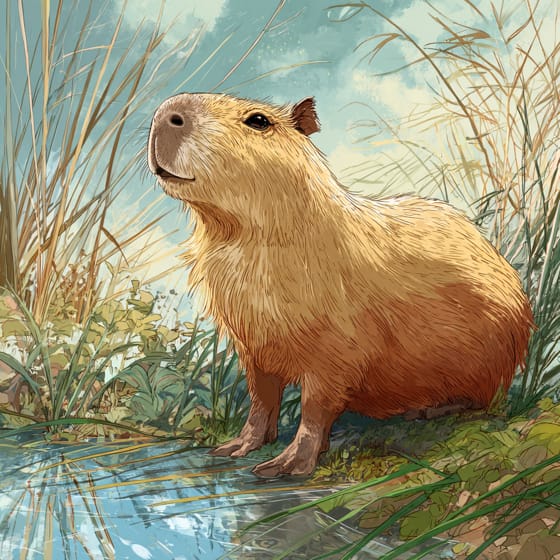
Hydrochoerus hydrochaeris
A favorite meal for its large size.
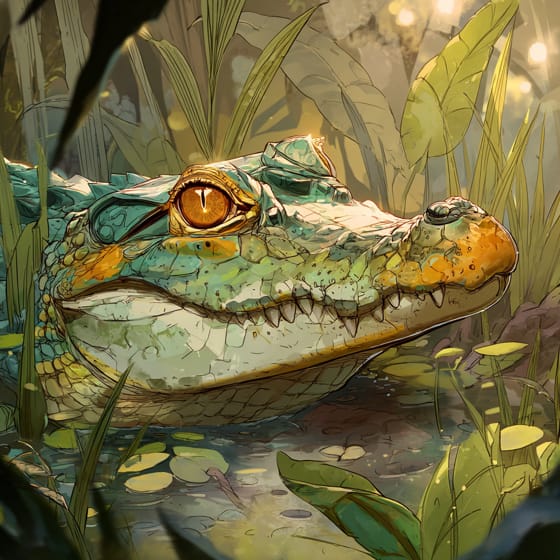
Caiman crocodilus
Hunts these reptiles, especially smaller ones.
Tapirus terrestris
Anacondas can overpower these large mammals.
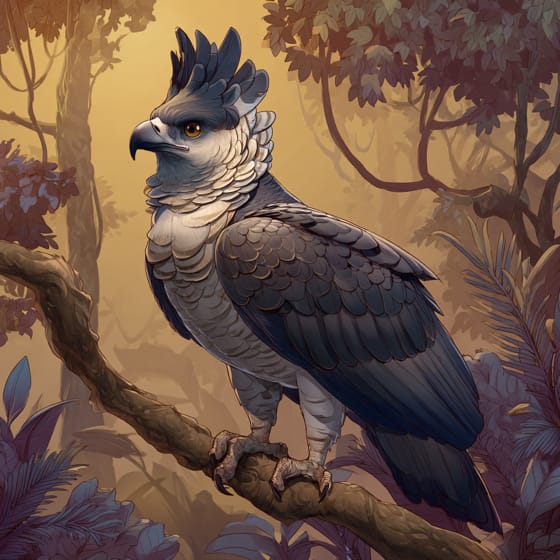
Harpia harpyja
Juvenile anacondas are vulnerable to this powerful bird.
Wildlife encompasses all undomesticated animal and plant life existing in their natural habitats.
An ambush predator hunts by patiently waiting and concealing itself, then launching a sudden attack when unsuspecting prey comes within range.
This trait identifies organisms whose diet consists entirely or primarily of animal tissue.
Freshwater habitats include non-saline aquatic environments such as rivers, lakes, ponds, and wetlands, vital for numerous species.

Describes a species whose presence and role have a disproportionately large effect on its environment.

Nocturnal animals are primarily active during the nighttime hours, typically resting or sleeping during the day.
Danger
4/5 · High
Look but don’t touch. Keep a safe distance and wash hands after exploring.
500-900 cm
30-250 kg
10-20 years
2 km/h
These giant snakes eat almost any animal they can catch, often swallowing prey whole!
15 km/h
Swamps and rivers
Ambush
Zoom in to split clusters and explore where this object has been snapped.
Recent snaps will appear here as new observations are added.

Massachusetts, US
You might spot Northern Fur Seal, Common Tern, and Harbor Seal.
View guide →

New York, US
You might spot Common Ostrich, Equus Africanus Asinus, and Serval.
View guide →

Oklahoma, US
You might spot African Lion, Komodo Dragon, and Giraffes.
View guide →
Oklahoma, US
You might spot African Lion, Tiger, and Indian Rhinoceros.
View guide →
California, US
You might spot African Lion, Giraffes, and Polar Bear.
View guide →
England, UK
You might spot African Lion, Komodo Dragon, and Common Ostrich.
View guide →


















