Giraffes
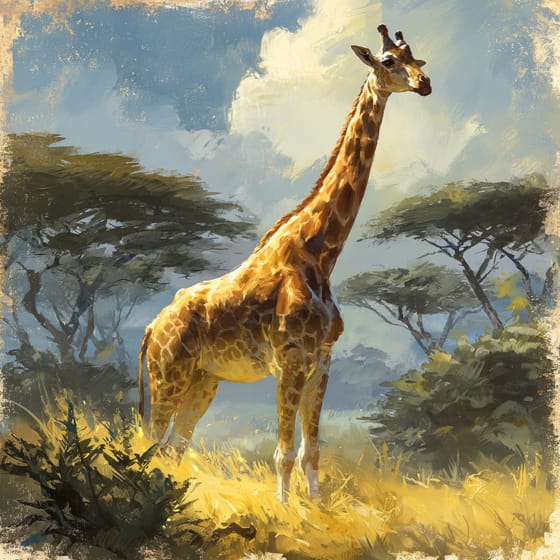
The San Francisco Zoo & Gardens beckons visitors to explore a vibrant urban oasis where wildlife thrives amidst lush botanical beauty.
The San Francisco Zoo & Gardens beckons visitors to explore a vibrant urban oasis where wildlife thrives amidst lush botanical beauty. Spanning 100 acres between Lake Merced and the Pacific Ocean, this beloved institution is home to over 1,000 individual animals representing more than 250 diverse species, many of which are endangered. As you wander through thoughtfully designed habitats, you'll embark on a global journey, encountering magnificent creatures from the African Savanna to the dense forests of Madagascar and the unique landscapes of Australia. The zoo is dedicated to fostering a deep connection between people and wildlife, inspiring conservation action through engaging exhibits and educational programs.
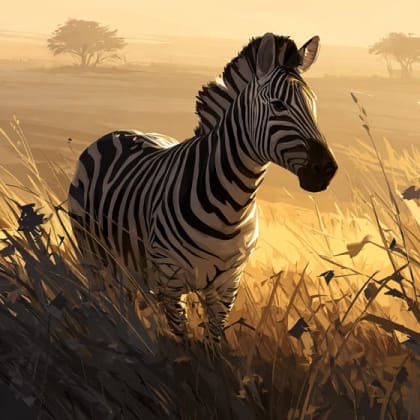
A visit to the San Francisco Zoo is an immersive adventure for all ages. Marvel at giraffes and zebras roaming freely in the expansive African Savanna, or stand face-to-face with powerful gorillas in their lush preserve. The Lipman Family Lemur Forest offers an enchanting experience as these agile primates leap and play in the largest outdoor, multi-species lemur habitat in the United States. Beyond the animal encounters, the zoo delights with charming attractions like the historic Little Puffer steam train and a beautiful carousel, ensuring a full day of discovery and fun.
The zoo's commitment extends beyond animal care to conservation efforts worldwide, participating in Species Survival Plans for many endangered animals like black rhinos and gorillas. Visitors can witness this dedication firsthand at the Koret Animal Rescue and Conservation Center, where zookeepers care for rescued animals and educate the public on conservation. With its blend of captivating animal exhibits, botanical gardens, and family-friendly amenities, the San Francisco Zoo & Gardens provides an enriching and memorable experience that celebrates the wonder of the natural world. Turn your visit into a safari! Use the Snappit app to scan and log wildlife sightings here.
The San Francisco Zoo's origins can be traced back to the city's early fascination with wildlife, with rudimentary 'zoos' appearing as early as 1856. The formal establishment of the zoo began in 1929 when banker and San Francisco Parks Commission president Herbert Fleishhacker founded what was then known as the Fleishhacker Zoo. The zoo, built as a Works Progress Administration (WPA) project in the 1930s, was considered groundbreaking for its time, featuring innovative bar-less exhibits like Monkey Island, Lion House, Elephant House, and bear grottos that utilized moats to contain animals. Many of the zoo's initial inhabitants were transferred from Golden Gate Park, and its official name, the 'San Francisco Zoological Gardens,' was adopted in 1941. The San Francisco Zoological Society, a non-profit organization, was founded in 1954 and has since played a crucial role in fundraising, master planning, and supporting the zoo's growth and modernization. While the zoo has undergone significant renovations and expansions over the decades, it has also retained historical elements such as the hand-carved Dentzel Carousel and the Little Puffer miniature steam train.
San Francisco's climate near the Pacific Ocean means visitors should always dress in layers, as conditions can change rapidly, often being cool and foggy even in summer. Animal activity is generally higher in the mornings. Some seasonal events like the 'Dinos Rule!' exhibition or free children's admission promotions may occur, so check the zoo's website for current offerings.
The entire zoo is designed to be stroller and wheelchair accessible, with mostly level terrain and some slight inclines. Wheelchair-accessible restrooms are available throughout the park. Wheelchairs and motorized scooters can be rented at the entrance. Parking is free for disabled guests with a valid placard.
African Savanna for expansive views of giraffes, zebras, and ostriches.
Lipman Family Lemur Forest offers a unique elevated walkway experience with playful lemurs.
Encounter rescued Grizzly Bears at Hearst Grizzly Gulch during their daily breakfast.
Penguin Island is home to a thriving colony of Magellanic penguins, often seen 'flying' through the water.
Each card links to a full Explore page with photos, traits, and fun facts.
Start with the big picture, then zoom in to explore individual wildlife observations around this place.
Arrive early
Aim to arrive around opening time (10 a.m.) to see animals at their most active and avoid peak crowds, especially on weekends.
Dress in layers
San Francisco's weather near the ocean can be unpredictable, often cool and foggy, even in summer. Bring layers to stay comfortable throughout your visit.
Check the daily schedule
Consult the zoo's website or visitor guide upon arrival for the most up-to-date schedule of keeper talks and animal feedings for grizzly bears, penguins, and giraffes.
Plan your route
The zoo is expansive (100 acres), so grab a map upon entry or view it online beforehand to prioritize must-see exhibits and plan an efficient route.
Consider public transport or alternative parking: While paid parking is available, the zoo is accessible via Muni (L-Taraval streetcar and Bus lines 18 and 23). If driving, be aware of street parking options along Sloat Boulevard, but always check signs carefully.
Respect the animals
Help maintain a calm environment for the animals by avoiding tapping on glass, crossing barriers, making excessive noise, or throwing objects into exhibits.
Mar 3, 2026
Mar 3, 2026
Mar 3, 2026
Mar 2, 2026
Mar 2, 2026

Michigan, US
You might spot African Lion, Komodo Dragon, and Brown Bear.
View guide →
.jpg)
Municipal District of Cobh, IE
You might spot Ring-Tailed Lemur, Giraffes, and Cheetahs.
View guide →

Nouvelle-Aquitaine, FR
You might spot Greater Flamingo, Giraffes, and Red Panda.
View guide →

Texas, US
You might spot Giraffes, African Lion, and Eastern Black Rhinoceros.
View guide →
Take the discovery with you
Identify the wildlife you spot, learn as you go, and keep a collection of the adventure.