

American Beaver
Castor canadensis
The American Beaver is a busy animal known for building dams and lodges in rivers and streams. They have big, flat tails and love to chew on wood to make their homes.
Habitat: Wetlands
The American Beaver has a stocky body covered in thick, reddish-brown to dark brown fur, often lighter on its belly. It is easily recognized by its large, flat, paddle-like scaly tail and prominent, ever-growing orange incisor teeth.
Category
MammalsRarity
Common
Danger
2/5 · Low
Snaps
119
Beaver dams are so big they can be seen from space, changing entire landscapes!
Beavers can hold their breath for up to 15 minutes, longer than many divers!
Their thick fur has over 12,000 hairs per square centimeter, keeping them perfectly dry!
They have special lips behind their front teeth, letting them chew wood underwater!
American Beavers can build complex dams and lodges using wood and mud that create new wetlands.
American Beavers have clear nictitating membranes and webbed feet that help them see and swim efficiently underwater.
American Beavers have strong jaw muscles and self-sharpening teeth to fell large trees for building and food.
Beavers are vegetarians, primarily eating wood, bark, and aquatic plants.

Populus tremuloides
A primary food source for beavers.
Ursus americanus
Adult beavers and kits can be prey.

Canis latrans
Opportunistic predator of beavers.
Anas platyrhynchos
Uses beaver ponds for nesting.
Furry describes animals possessing a dense covering of soft hair or fur.
Social animals live in organized groups, cooperating for survival benefits such as foraging, defense, and raising offspring.
This trait characterizes organisms whose diet consists entirely or primarily of plant material.
This trait describes organisms that manipulate external objects to achieve a specific goal.

This habitat trait identifies species found in wetlands, which are areas of land saturated with water, either permanently or seasonally, including marshes, swamps, and bogs.

Diurnal animals are primarily active during daylight hours, typically resting or sleeping at night.

Freshwater habitats include non-saline aquatic environments such as rivers, lakes, ponds, and wetlands, vital for numerous species.

Describes a species whose presence and role have a disproportionately large effect on its environment.

Aquatic habitats encompass environments where organisms live predominantly in water, including oceans, rivers, lakes, and wetlands.

Endangered status indicates a species is at a very high risk of extinction in the wild in the near future.
Danger
2/5 · Low
Beavers are usually friendly, but it's best to watch them from a distance and not disturb their homes.
90-120 cm
11-32 kg
10-15 years
8 km/h
Beavers are vegetarians, primarily eating wood, bark, and aquatic plants.
Wetlands
Foraging
2-4
Zoom in to split clusters and explore where this object has been snapped.

Delaware, US
You might spot Northern Raven, Bee, and Red Panda.
View guide →

Minnesota, US
You might spot Rue Anemone, Eastern Skunk Cabbage, and Bloodroot.
View guide →
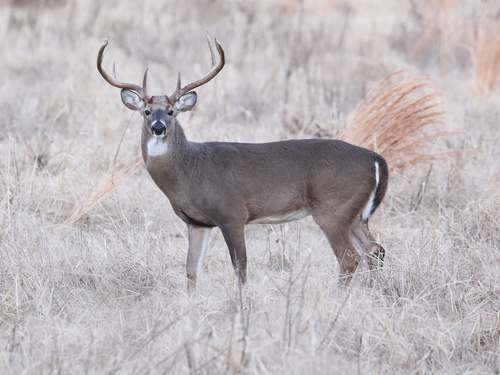
Pennsylvania, US
You might spot White-Tailed Deer, Canada Goose, and Great Blue Heron.
View guide →
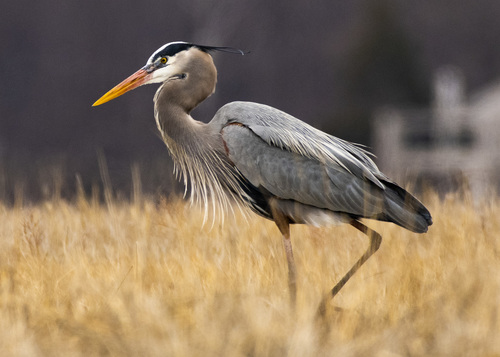
Virginia, US
You might spot Great Blue Heron, Canada Goose, and Red-Winged Blackbird.
View guide →

Indiana, US
You might spot African Lion, Tiger, and Aurelia Aurita.
View guide →
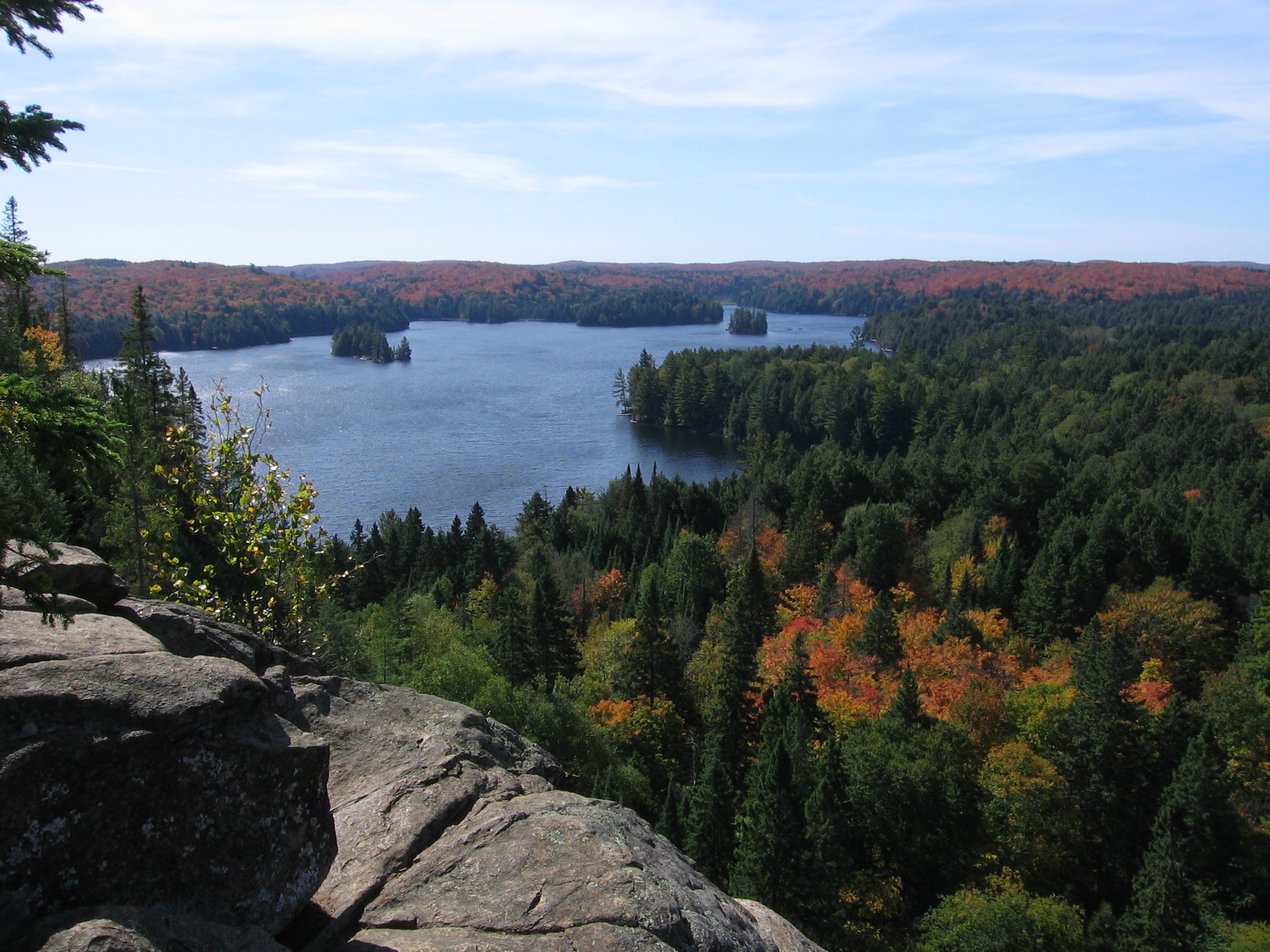
Ontario, CA
You might spot Moose, Brittlegills, and Canadian Bunchberry.
View guide →