Hawthorn
Trachysmia inopiana Hawthorn
The Hawthorn is a lovely tree with beautiful flowers in spring. It has sharp thorns that protect it from animals.
Habitat: Woodlands and hedgerows
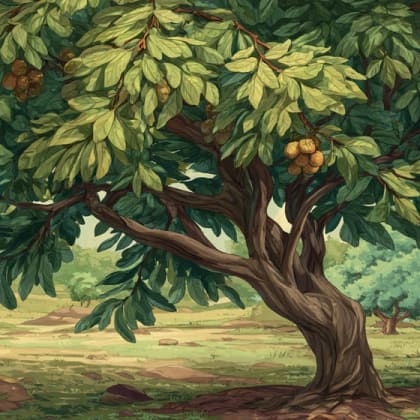
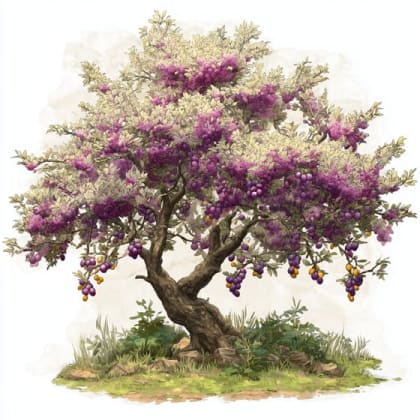
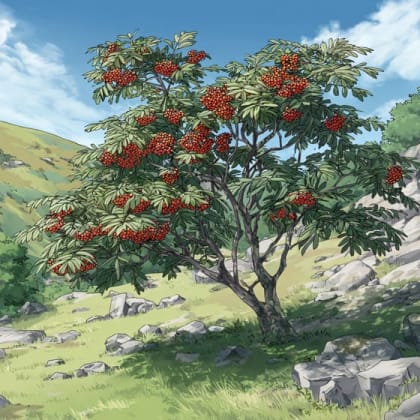
The Hawthorn is a small, thorny tree, often with gnarled branches. It displays clusters of white or pale pink flowers in spring, followed by bright red, berry-like fruits (haws) in autumn. Its distinctive lobed leaves are a vibrant green.
Category
TreesRarity
Common
Danger
1/5 · Very low
Snaps
Be the first to snap!
Ancient cultures used Hawthorn parts to make medicines for a strong, healthy heart!
Hawthorn can regrow from its base, making it a super tough survivor!
Hawthorn hedges were planted to mark farm boundaries for hundreds of years!
Old legends say Hawthorn trees are enchanted and shelter magical fairies!
Hawthorn has sharp, woody thorns that protect its branches and leaves from hungry browsers, helping it defend itself.
Hawthorn produces abundant red berries that attract birds, which then spread its seeds far and wide, aiding reproduction.
Hawthorn releases a strong, sweet scent from its flowers to attract insects like bees and flies, ensuring successful pollination.
Turdus merula
Feeds on sweet hawthorn berries in autumn and winter.
Bombus terrestris
Visits hawthorn flowers, collecting nectar and spreading pollen.
Malacosoma neustria
Caterpillars feed on hawthorn leaves, sometimes in large groups.
Prunella modularis
Nests within dense hawthorn hedges, protected by thorns.
Deciduous plants periodically shed all their leaves, typically during autumn or dry seasons.
Spring blooming plants produce their flowers during the spring season, often signifying the end of winter and the start of new growth.
Fragrant flowers emit a pleasant aroma, often to attract pollinators or for defense.
Fruit-bearing plants produce fruits, which are the mature ovaries of flowering plants containing seeds.

Medicinal plants possess chemical compounds that can be used for therapeutic purposes to treat illnesses or maintain health.

Pertaining to plants that have stems covered with sharp, pointed projections for defense.

Forest habitats are terrestrial environments dominated by dense tree cover, supporting a high diversity of plant and animal life.

This trait characterizes organisms with an exceptionally long lifespan compared to others of their kind.
Danger
1/5 · Very low
Do not pick or eat anything you find. Some plants and mushrooms can be harmful.
2-12 m
2-8 m
Yes
15-50 cm
50-200 years
Woodlands and hedgerows
Pome
Medium
Zoom in to split clusters and explore where this object has been snapped.
Recent snaps will appear here as new observations are added.

Washington, US
You might spot Bigleaf Maple, Common Snowberry, and Osoberry.
View guide →
Oklahoma, US
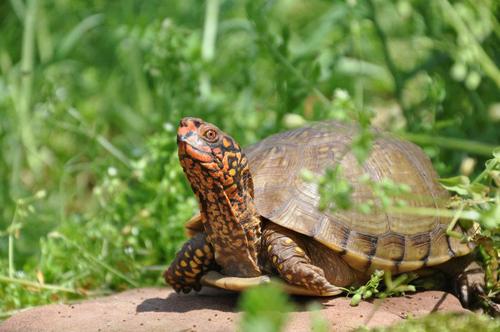
You might spot Three-Toed Box Turtle and Blackjack Oak.
View guide →

England, UK
You might spot Cinnabar Moth, Common Moorhen, and Marmalade Hover Fly.
View guide →

Oregon, US
You might spot Savannah Sparrow, Song Sparrow, and American Robin.
View guide →

Connecticut, US
You might spot Monarch, Common Milkweed, and Common Blue Violet.
View guide →
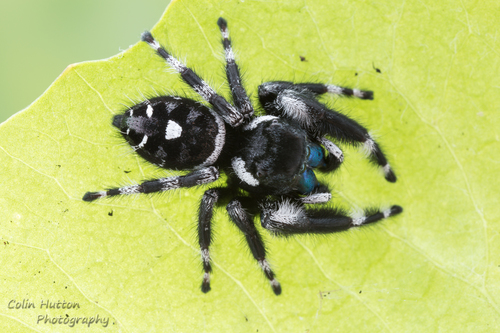
California, US
You might spot Bold Jumping Spider and Marbled Cellar Spider.
View guide →