


Redwood
## Meadows Park: A Delta Oasis for Wildlife and Nature Lovers
## Meadows Park: A Delta Oasis for Wildlife and Nature Lovers
Nestled within the unique landscape of California's Sacramento-San Joaquin Delta, Meadows Park, officially known as Delta Meadows Park Property, offers a serene 520-acre retreat for those seeking a genuine connection with nature. This undeveloped state park property is a treasure trove of riparian woodlands, emergent wetlands, and tranquil sloughs, preserving a significant piece of the Delta as it appeared generations ago. It's a haven where the intricate tapestry of California's natural beauty unfolds, inviting visitors to explore its diverse habitats and abundant wildlife.
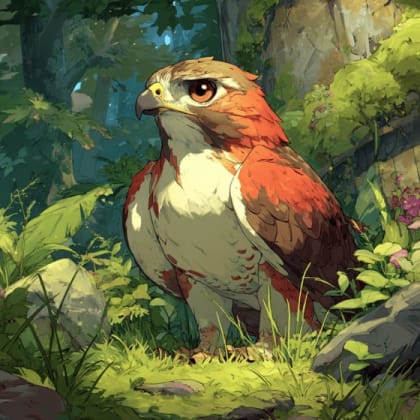
The park's varied ecosystems support a rich diversity of life, making it a prime destination for wildlife observation. Birdwatchers can delight in spotting wetland species like the majestic Great Blue Heron, wood ducks, mallards, and belted kingfishers, alongside raptors such as Red-shouldered Hawks and Turkey Vultures. Beyond the avian inhabitants, the park is home to a range of mammals, including black-tailed deer, beavers, river otters, and muskrats, as well as reptiles like the Southern Alligator Lizard and Aquatic Garter Snake. Diverse plant life, from native grasses and hawthorns to towering cottonwood and willow trees, forms the backdrop for these encounters, creating a vibrant natural community.
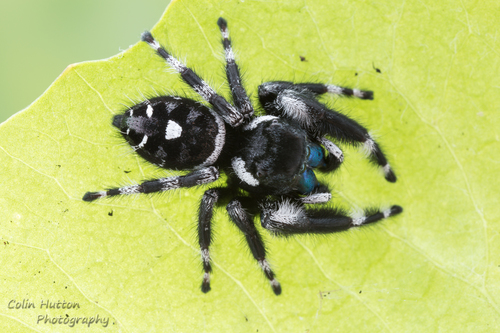
Visiting Meadows Park is an opportunity to step back in time and experience the Delta's pristine natural state, making it a memorable escape from the everyday. Its tranquil waterways and winding trails encourage exploration and reflection, while the sheer volume of species observed locally, from the tiny Bold Jumping Spider to the expansive Redwood (found in the broader California ecosystem), promises new discoveries with each visit. It's an ideal location for families, birdwatchers, and anyone who appreciates the unspoiled beauty of California's wetlands and woodlands. Wondering what that bird or insect is? Find out on your visit using the Snappit nature app.
Delta Meadows Park Property was first acquired by the California Department of Parks and Recreation in 1986. Its establishment was a crucial step in preserving one of the last remaining undeveloped portions of the Sacramento-San Joaquin Delta, aiming to maintain the landscape much as it appeared 150 years ago, before extensive reclamation and development. The park's ongoing preservation efforts focus on protecting its riparian woodlands, emergent wetlands, grasslands, and sloughs. California State Parks is currently engaged in a collaborative planning process to determine the park's future management and development, ensuring its natural and cultural resources are safeguarded for generations to come.
Explore the unpaved trails, look for tracks of beavers and river otters, and keep an eye out for Black Phoebe and Western Bluebirds. Enjoy the serene beauty of the Delta's unique ecosystem.
Spring: Vibrant wildflowers, active migratory birds, and moderate temperatures. Events like Biodiversity Hikes and Bird Walks are sometimes offered.
Summer: Can be hot; best to visit early morning. Water levels in sloughs may be lower.
Autumn: Excellent for bird migration, cooler temperatures, and changing foliage.
Winter: Cooler, potentially wet weather. Offers a quieter experience and good opportunities for observing resident wildlife.
The park is largely undeveloped. While accessible for walking along levees, there are **no restrooms or visitor services available**. Visitors must pack out all trash.
Walking and hiking along the levees and natural trails, offering scenic views of sloughs and diverse habitats.
Birdwatching, with opportunities to see Great Blue Herons, Red-shouldered Hawks, and many other bird species.
Boating and fishing in the twisting network of sloughs (5-mph speed limit for motorized boats).
Observing native plant communities, including oak, tule, walnut, willow, and cottonwood.
Each card links to a full Explore page with photos, traits, and fun facts.
Start with the big picture, then zoom in to explore individual wildlife observations around this place.
Pack essentials
Bring plenty of water, snacks, sunscreen, and insect repellent, as there are no services in the park.
Leave No Trace
Since trash cans are not available, be prepared to pack out everything you pack in to help preserve the park's natural state.
Wear appropriate footwear
Trails may be unpaved and uneven, so sturdy walking shoes or hiking boots are recommended.
Bring binoculars
Essential for birdwatching and observing distant wildlife in the diverse habitats.
Check water levels
If planning to boat, be aware that slough water levels can vary with tides and conditions.
Visit during cooler months
For a more comfortable experience, especially when hiking, consider visiting in spring or fall to avoid summer heat.
Jan 23, 2026
Jan 22, 2026
Jan 11, 2026
Jan 11, 2026
Jan 10, 2026

Maryland, US
You might spot White-Tailed Deer and Eastern Gray Squirrel.
View guide →
.jpg)
District of Columbia, US
You might spot Eastern Gray Squirrel, Duck, and House Sparrow.
View guide →

Illinois, US
You might spot American Robin, Canada Goose, and House Sparrow.
View guide →

Virginia, US
You might spot Spotted Lanternfly and Northern Cardinal.
View guide →
Take the discovery with you
Identify the wildlife you spot, learn as you go, and keep a collection of the adventure.