




Chinese Alligator
Alligator sinensis
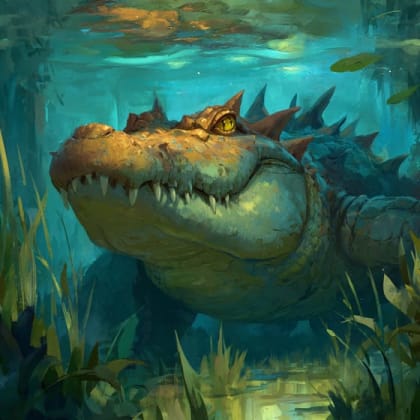
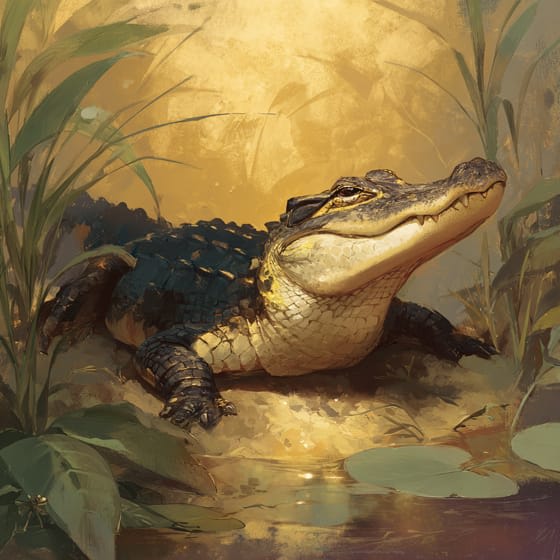
The Chinese Alligator is a small, friendly-looking crocodilian. It loves to bask in the sun and can be found in rivers and lakes.
Habitat: Freshwater rivers and lakes
The Chinese Alligator is a relatively small crocodilian with a dark grayish-black body, often mottled with yellowish markings, especially as a juvenile. It has a short, broad snout and is covered in heavily armored scales, including bony plates called osteoderms beneath its belly.
Category
ReptilesRarity
Rare
Danger
5/5 · Extreme
Snaps
Be the first to snap!
Wow! Chinese Alligators are sometimes called 'mud dragons' because they burrow into riverbanks for winter!
Wow! Despite tough scales, mother alligators gently carry their babies to the water in their mouths!
Wow! These alligators can survive freezing cold by poking their noses through ice to breathe!
Wow! They build muddy nests, and the temperature inside decides if the babies are boys or girls!
Chinese Alligator has bony plates (osteoderms) under its scales that help them withstand attacks from predators.
Chinese Alligator can hold its breath for extended periods underwater, which helps them ambush prey unseen.
Chinese Alligator has excellent night vision due to reflective cells, helping them hunt in low light.
Chinese Alligator can make booming calls, especially during mating season, which helps them communicate.
These powerful carnivores eat many small animals they find in and around freshwater habitats.
Age differences: Young alligators primarily eat insects and aquatic invertebrates, switching to larger prey as they grow.
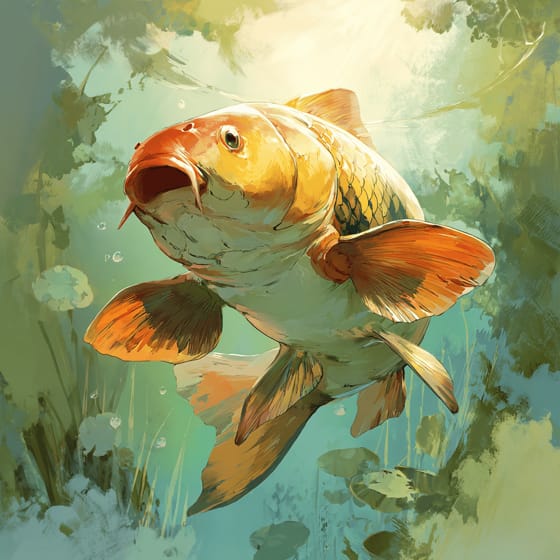
Cyprinus carpio
hunts and eats freshwater fish
Sinanodonta woodiana
eats mollusks as common food
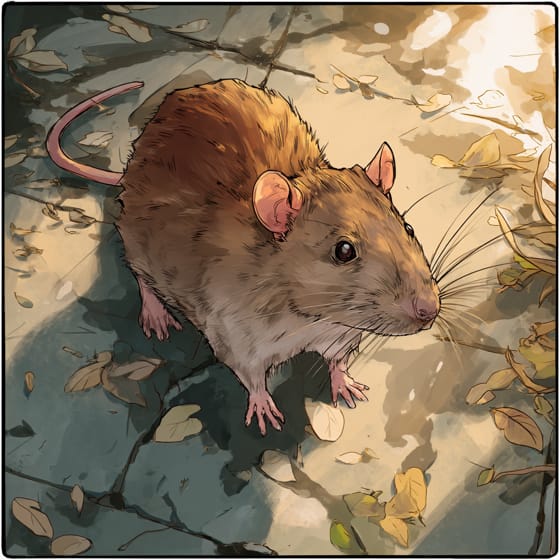
Rattus norvegicus
hunts various small rodents
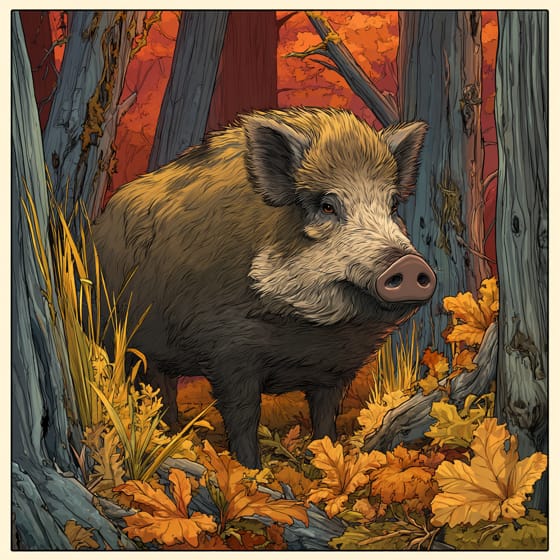
Sus scrofa
eggs and hatchlings may be eaten
Wildlife encompasses all undomesticated animal and plant life existing in their natural habitats.
Social animals live in organized groups, cooperating for survival benefits such as foraging, defense, and raising offspring.
Piscivorous organisms are animals that primarily subsist on a diet of fish.
This trait identifies organisms whose diet consists entirely or primarily of animal tissue.

Diurnal animals are primarily active during daylight hours, typically resting or sleeping at night.

Freshwater habitats include non-saline aquatic environments such as rivers, lakes, ponds, and wetlands, vital for numerous species.

Endangered status indicates a species is at a very high risk of extinction in the wild in the near future.
Danger
5/5 · Extreme
Look but don’t touch. Keep a safe distance and wash hands after exploring.
150-210 cm
36-50 kg
40-70 years
25 km/h
These powerful carnivores eat many small animals they find in and around freshwater habitats.
20 km/h
Freshwater rivers and lakes
Ambush
Zoom in to split clusters and explore where this object has been snapped.
Recent snaps will appear here as new observations are added.

Tennessee, US
You might spot Komodo Dragon, Western Barn Owl, and Snow Leopard.
View guide →

Missouri, US
You might spot African Lion, Allen's Swamp Monkey, and Tiger.
View guide →
Maryland, US
You might spot African Lion, Red Fox, and Common Ostrich.
View guide →
Michigan, US
You might spot African Lion, Wolverine, and Giraffes.
View guide →

New York, US
You might spot Common Ostrich, Equus Africanus Asinus, and Serval.
View guide →
Oklahoma, US
You might spot African Lion, Komodo Dragon, and Giraffes.
View guide →