Black Crappie
Pomoxis nigromaculatus
The Black Crappie is a friendly fish that loves to swim in schools. It has pretty black spots all over its body!
Habitat: Lakes and rivers
The Black Crappie has a deep, laterally flattened body with a silvery-white to greenish-gold color, covered in irregular black splotches. Its large dorsal fin has seven or eight sharp spines, distinguishing it from similar panfish. It possesses a large mouth and big eyes.
Category
FishRarity
Common
Danger
2/5 · Low
Snaps
28
A single female Black Crappie can lay over 100,000 eggs in a season!
Black Crappies have huge eyes to help them spot their tiny prey in dim, murky water.
Their funny name, 'crappie,' comes from an old French-Canadian word meaning 'panfish'!
They build their nests by scraping shallow, round depressions on the lake bottom.
Black Crappie has irregular dark spots that help them blend into mottled sunlight and aquatic plants, avoiding predators.
Black Crappie can quickly extend their mouth forward to create a powerful vacuum, sucking in small, unsuspecting prey.
Black Crappie often forms schools, which helps them confuse predators and makes hunting for food more efficient.
These clever fish are hunters, eating tiny insects, crustaceans, and even small fish!
Age differences: Young crappie eat mostly tiny zooplankton, switching to larger insects, crustaceans, and small fish as they grow.
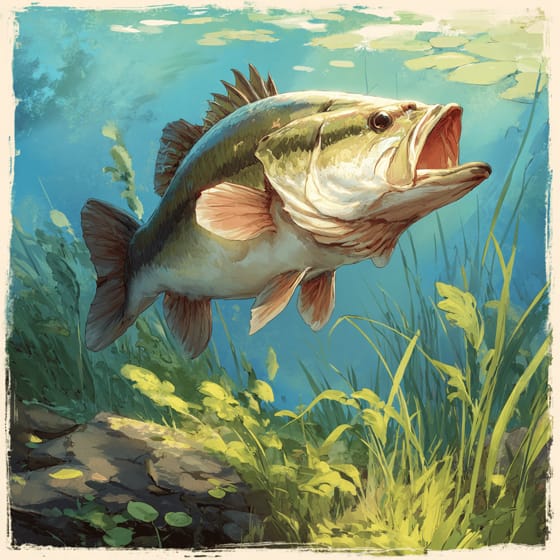
Micropterus salmoides
Adult crappie are a food source for these larger predatory fish.
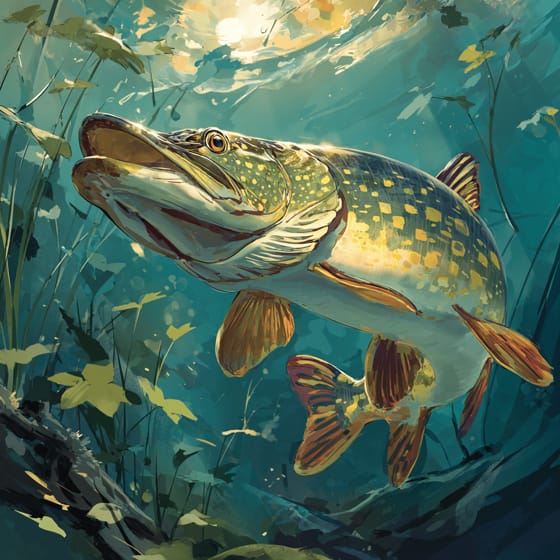
Esox lucius
Pike are opportunistic predators that will consume crappie.
Daphnia pulex
Young crappie feed heavily on these small crustaceans.
Chironomus plumosus
Crappie commonly consume these abundant aquatic insect larvae.
Wildlife encompasses all undomesticated animal and plant life existing in their natural habitats.
Marked with spots or patches of a different color.
Social animals live in organized groups, cooperating for survival benefits such as foraging, defense, and raising offspring.
Colorful describes organisms or objects displaying a wide range of bright and distinct colors.

Piscivorous organisms are animals that primarily subsist on a diet of fish.

Freshwater habitats include non-saline aquatic environments such as rivers, lakes, ponds, and wetlands, vital for numerous species.

Aquatic habitats encompass environments where organisms live predominantly in water, including oceans, rivers, lakes, and wetlands.
Danger
2/5 · Low
Watch quietly from a distance and never try to feed or chase wild animals.
10-40 cm
0.1-1.5 kg
5-15 years
These clever fish are hunters, eating tiny insects, crustaceans, and even small fish!
8 km/h
Lakes and rivers
Ambush
15 m
Zoom in to split clusters and explore where this object has been snapped.

Virginia, US
You might spot Summer Snowflake, Lesser Celandine, and Mapleleaf Viburnum.
View guide →

Illinois, US
You might spot Illinois Bundleflower, Wild Bergamot, and Cup Plant.
View guide →
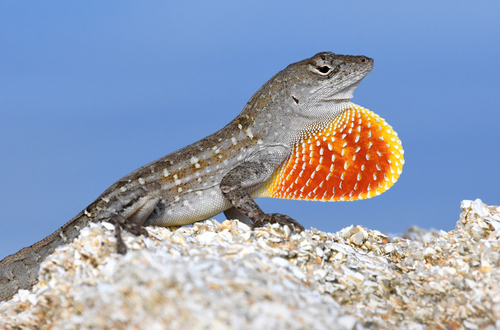
Florida, US
You might spot Brown Anole, Feather Mosses, and Carolina Willow.
View guide →