Mayfly
Ephemera (Mayfly)
Mayflies are delicate insects that often dance above the water. They have very short lives but are beautiful to watch!
Habitat: Rivers and streams
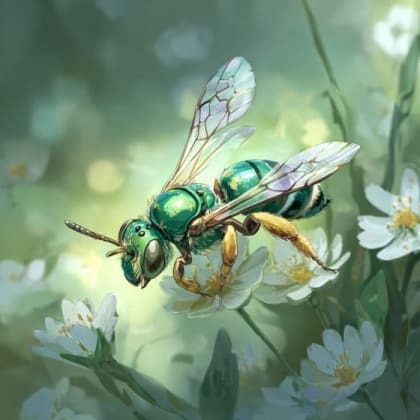
The Mayfly has a soft, delicate body with two pairs of translucent, often veined wings held upright like sails when at rest. It is usually dull in color, ranging from brownish to yellowish, and is distinctively characterized by two or three long, thread-like tails called cerci.
Category
InsectsRarity
Common
Danger
2/5 · Low
Snaps
Be the first to snap!
Adult mayflies have no mouth or stomach; they don't eat anything in their short lives!
Mayflies are super ancient, with fossils showing they have existed for over 300 million years!
Scientists can tell how clean a river is by counting the different kinds of mayfly larvae.
Thousands of mayflies can emerge from water at the exact same time, creating huge swarms!
Mayfly adults have an incredibly short lifespan, often just a day, that helps them focus solely on reproduction before quickly perishing.
Mayfly larvae possess feathery gills that allow them to extract oxygen and breathe underwater in fast-flowing streams and rivers.
Mayfly has a unique subimago stage, where it molts one last time as a winged insect, making it the only insect to do so.
Mayfly larvae munch on tiny plant bits and decaying matter found in the water.
Age differences: Adults do not eat, but larvae feed on algae and detritus.
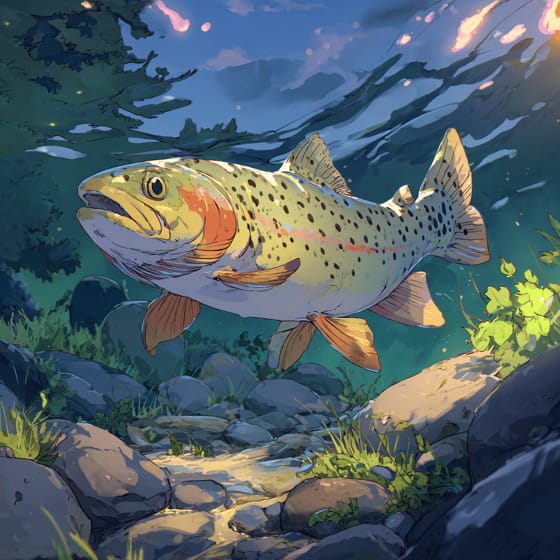
Oncorhynchus mykiss
A key food source for many freshwater fish.
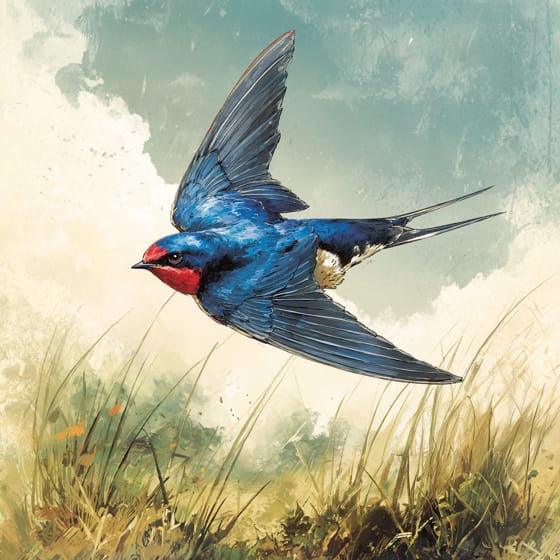
Hirundo rustica
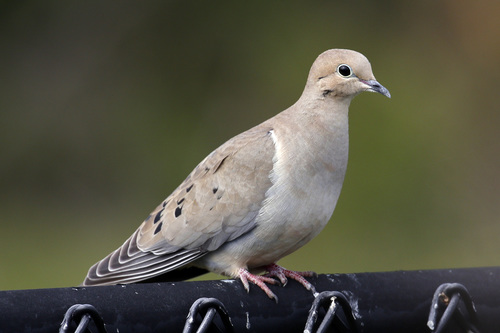
Flying adults are eagerly snatched by birds.
Anax junius
Dragonflies prey on emerging adult mayflies.
Wildlife encompasses all undomesticated animal and plant life existing in their natural habitats.
This trait characterizes organisms whose diet consists entirely or primarily of plant material.
This trait signifies organisms belonging to a very old evolutionary group with ancestors dating back millions of years.
Diurnal animals are primarily active during daylight hours, typically resting or sleeping at night.

Freshwater habitats include non-saline aquatic environments such as rivers, lakes, ponds, and wetlands, vital for numerous species.
Danger
2/5 · Low
Do not touch or pick up. Some insects sting or bite. Ask an adult for help.
10-50 mm
5-30 mm
1-7 days
3.5 km/h
Mayfly larvae munch on tiny plant bits and decaying matter found in the water.
Rivers and streams
Foraging
6
Zoom in to split clusters and explore where this object has been snapped.
Recent snaps will appear here as new observations are added.