Gray Wolf
Canis lupus
Gray wolves are powerful wild dogs that live in packs. They are skilled hunters and have strong family bonds.
Habitat: Forests, tundra, and mountains.
The Gray Wolf has a thick coat that can range from grizzled gray to white, black, or brown, often with lighter fur on its undersides. It has pointed ears, a long bushy tail, and longer legs than a coyote, giving it a more robust appearance.
Category
MammalsRarity
Common
Danger
4/5 · High
Snaps
Be the first to snap!
Each wolf pack has its own special territory they defend.
Pups are born blind and deaf, relying completely on their mother.
Their howls can be heard up to 10 kilometers away!
Wolves are the largest wild members of the dog family!
Gray Wolves can run for long distances because they have incredible stamina that helps them chase down prey.
Gray Wolves have an amazing sense of smell that helps them track prey from far away and communicate with other wolves.
Gray Wolves can hunt large animals because they work together in coordinated packs, making them very effective hunters.
Gray Wolves are skilled hunters that mainly eat other animals to survive.
Wildlife encompasses all undomesticated animal and plant life existing in their natural habitats.
Furry describes animals possessing a dense covering of soft hair or fur.
Social animals live in organized groups, cooperating for survival benefits such as foraging, defense, and raising offspring.
This habitat trait identifies species found in mountainous regions, characterized by high elevation, steep slopes, and varying climate zones.

Forest habitats are terrestrial environments dominated by dense tree cover, supporting a high diversity of plant and animal life.

This trait identifies organisms whose diet consists entirely or primarily of animal tissue.

Describes a species whose presence and role have a disproportionately large effect on its environment.

Nocturnal animals are primarily active during the nighttime hours, typically resting or sleeping during the day.
Danger
4/5 · High
Wolves can be dangerous — never approach.
100-150 cm
25-60 kg
6-13 years
60 km/h
Gray Wolves are skilled hunters that mainly eat other animals to survive.
Forests, tundra, and mountains.
Pursuit
4-6
Zoom in to split clusters and explore where this object has been snapped.
Recent snaps will appear here as new observations are added.

British Columbia, CA
You might spot Pacific Sanicle, Ivy, and Pacific Madrone.
View guide →

British Columbia, CA
You might spot Banana Slug and Round-Leaved Sundew.
View guide →
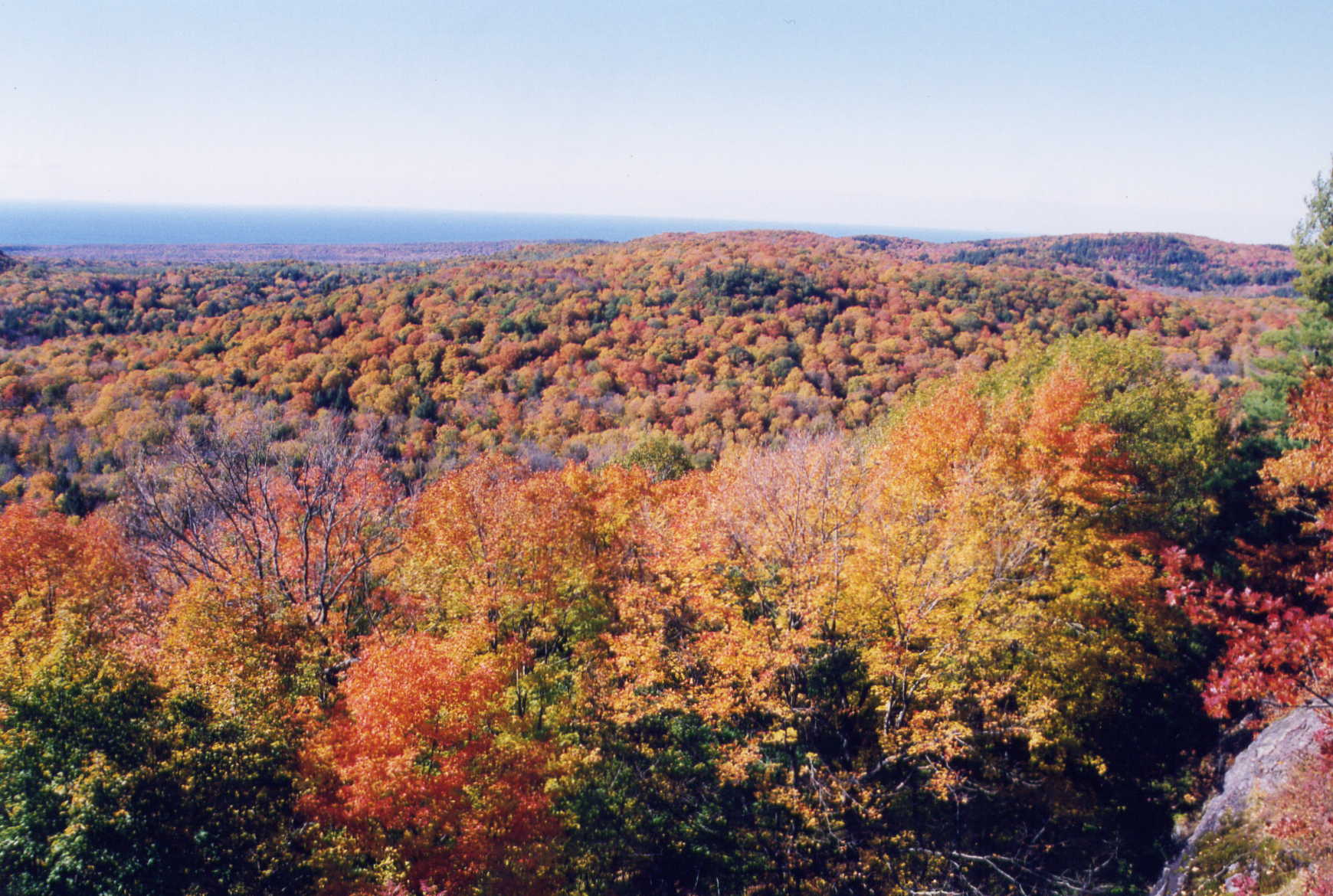
Michigan, US
You might spot Tree Lungwort, Shining Firmoss, and American Toad.
View guide →

British Columbia, CA
You might spot White Twisted-Stalk and Western Skunk Cabbage.
View guide →