Banana Slug
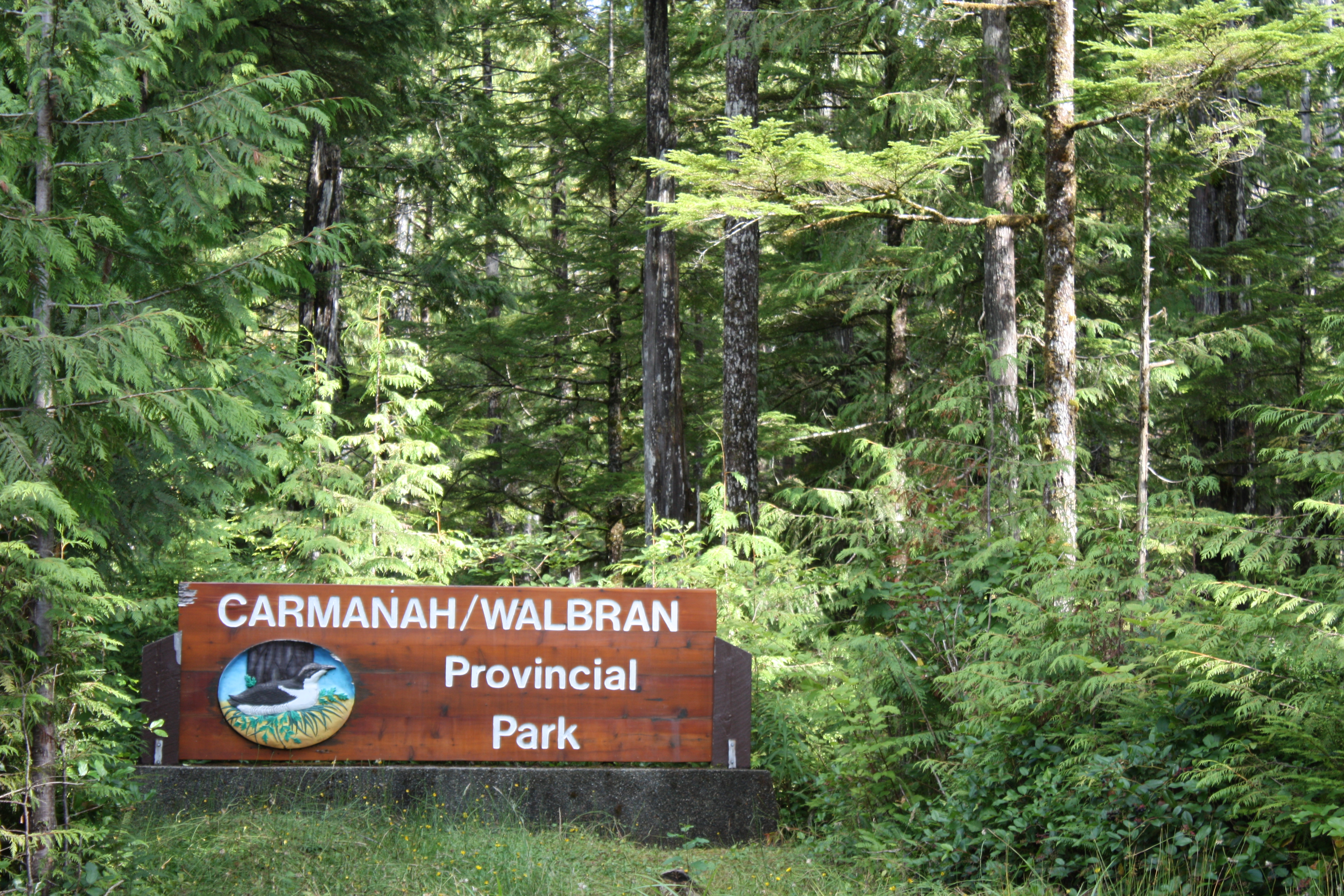
Carmanah Walbran Provincial Park, located on the southwestern coast of Vancouver Island, British Columbia, is a magnificent expanse of ancient temperate rainforest known for its towering trees and unique ecosystems.
Carmanah Walbran Provincial Park, located on the southwestern coast of Vancouver Island, British Columbia, is a magnificent expanse of ancient temperate rainforest known for its towering trees and unique ecosystems. This remote and rugged wilderness park is a sanctuary of old-growth Sitka spruce and western red cedar, some of which are over 800 and 1,000 years old, respectively. The name "Carmanah" itself derives from the Anglicized Ditidaht word "kwaabaaduw7aa7tx," meaning "as far up as a canoe can go," reflecting its deep connection to the Ditidaht First Nation whose traditional territory it lies within.
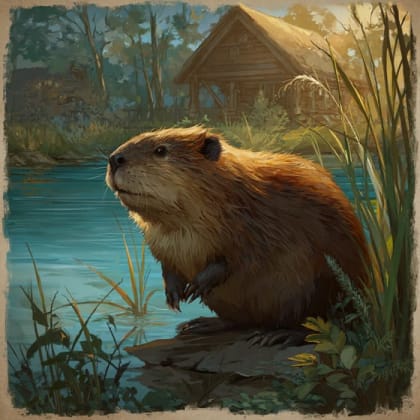
The park boasts diverse forest ecosystems, including a large Sitka spruce ecosystem that accounts for two percent of BC's remaining old-growth forest, with a biomass almost twice that of a tropical forest. Visitors can explore various trails leading to impressive natural features, such as the Three Sisters, Heaven Tree, and Grunt's Grove, where viewing platforms offer unique perspectives of these ancient giants. The lush undergrowth is home to a variety of flora, including round-leaved sundew, Spleenwortleaf Goldthread, western skunk cabbage, and numerous ferns like western maidenhair fern and lady fern. The park is also a haven for wildlife, from the distinctive Pacific Banana Slug and Rough-skinned Newt to larger mammals like Gray Wolf and American Beaver, and an array of bird species including Steller's Jay and Barred Owl.
Carmanah Walbran offers an unparalleled opportunity to connect with an undisturbed, ancient forest ecosystem. Its serene atmosphere, thick with mist and the sounds of dripping water and birds, provides a truly immersive wilderness experience. While challenging to access due to its remote location and rugged logging roads, the reward is an awe-inspiring encounter with some of the world's largest and oldest trees, a testament to nature's resilience and grandeur, making it an unforgettable destination for those seeking profound natural beauty and tranquility. Enhance your adventure: download the Snappit app to identify the local species you encounter.
Carmanah Walbran Provincial Park's establishment is rooted in significant conservation efforts. In 1988, conservationist Randy Stoltmann, along with a friend, discovered the "legendary giants" of the Carmanah Valley, bringing international attention to the plight of these rare ancient trees slated for logging. Stoltmann's tireless work led to the creation of Carmanah Pacific Park in 1990, protecting the lower Carmanah Valley. Subsequently, in 1995, the Walbran and upper Carmanah Valleys were added, completing the protection of the Carmanah Creek watershed and the southern portion of the Walbran Creek watershed, leading to the park's renaming as Carmanah Walbran Provincial Park. For his enduring efforts, the Randy Stoltmann Commemorative Grove was established within the park, honoring his legacy and the preservation of this unique wilderness.
Hiking through ancient old-growth forests, wildlife viewing, photography of giant trees and unique forest flora, wilderness and backcountry camping, and enjoying the tranquil rainforest atmosphere. Keep an eye out for Pacific Banana Slugs and Western Red-backed Salamanders in the damp undergrowth, and listen for the calls of the Pacific Wren or Steller's Jay.
The park is a wilderness area with primitive and often muddy trails. Be prepared for flash flooding during heavy rains. Logging trucks frequently use the access roads, and they have the right of way. **Important Advisory:** As of April 2026, the west side of Carmanah Walbran Park, including vehicle and hiking access via Rosander Main to the main park entrance, day-use areas, campground, and trails on that side, remains inaccessible due to multiple landslides in 2025. Always check the BC Parks website for the latest advisories. Bear sightings are frequent, so visitors should be bear aware. Campfire restrictions apply, and fires are generally only permitted in designated rings.
The park is remote and rugged, accessed via private logging roads that can be narrow and bumpy. A high-clearance vehicle and a full-sized spare tire are highly recommended. While some trails have boardwalk sections, many are unmaintained, extremely muddy, and difficult. There are pit toilets at the main trailhead and near the Three Sisters. The park has no gas, food, roofed lodging, telephone, or medical services.
A group of massive Sitka spruce trees, with an elevated viewing platform, though only two remain standing after a windstorm.
Home to impressive Sitka spruce, including the Heaven Tree, dedicated to the conservationist.
A massive Sitka spruce, one of the first giant trees encountered, with a viewing platform (note: platform may be closed for safety).
A majestic stand of Sitka spruce located further upstream.
Each card links to a full Explore page with photos, traits, and fun facts.
Start with the big picture, then zoom in to explore individual wildlife observations around this place.
Check current conditions
Always verify the latest park advisories and road conditions on the BC Parks website before departing, as landslides or other events can close access.
Prepare your vehicle
Use a high-clearance vehicle and carry at least one full-sized spare tire, as logging roads are rugged and remote. Drive with headlights on and yield to logging trucks.
Dress for the rainforest
Trails can be extremely muddy and wet year-round. Wear waterproof hiking boots, appropriate rain gear, and layers to stay comfortable.
Be self-sufficient
The park has no services (gas, food, lodging, phone, medical). Bring all necessary supplies, including ample drinking water or a water filter, and a first-aid kit.
Practice Leave No Trace
To preserve this pristine ecosystem, stick to designated trails, pack out all garbage, and only camp in approved areas.
Be bear aware
Bear sightings are frequent, so know how to store food properly and carry bear spray if experienced.
Aug 24, 2024
Jul 15, 2023
Oct 15, 2022
May 4, 2022
May 4, 2022

Maryland, US
You might spot White-Tailed Deer and Eastern Gray Squirrel.
View guide →
.jpg)
District of Columbia, US
You might spot Eastern Gray Squirrel, Duck, and House Sparrow.
View guide →

Illinois, US
You might spot American Robin, Canada Goose, and House Sparrow.
View guide →

Virginia, US
You might spot Spotted Lanternfly and Northern Cardinal.
View guide →
Take the discovery with you
Identify the wildlife you spot, learn as you go, and keep a collection of the adventure.