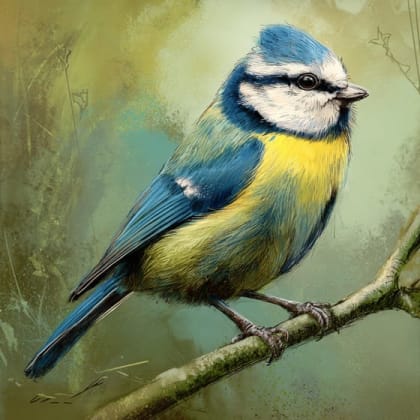
Common Kingfisher
Alcedo atthis
The Common Kingfisher is a bright and colorful bird that loves to catch fish. With its sparkling blue and orange feathers, it's a beautiful sight near rivers and lakes.
Habitat: Near rivers, lakes, and ponds
The Common Kingfisher is a small, stocky bird with an iridescent cobalt blue back and bright orange-rust underparts. It has a striking white throat patch and a long, dagger-like black bill. Its vivid plumage makes it instantly recognizable along waterways.
Category
BirdsRarity
Common
Danger
1/5 · Very low
Snaps
4
Kingfishers swallow fish head-first to avoid painful fin-spikes!
Parents can raise up to three families of chicks in just one summer!
Some kingfishers eat up to 60% of their own body weight in fish daily!
Their dazzling blue feathers get their color from light, not blue pigment!
Common Kingfisher has special eyes that can switch focus instantly, helping them see clearly in both air and water.
Common Kingfisher can dive head-first into water at high speed to catch fish, thanks to its streamlined body.
Common Kingfisher has a long, pointed bill that helps it pierce and securely hold slippery fish underwater.
Common Kingfisher can dig long tunnels into riverbanks for nesting, keeping their eggs safe from predators.
A speedy hunter that dives for small fish and aquatic insects in clear freshwater.
Phoxinus phoxinus
It dives to catch these small fish from clear water.
Gasterosteus aculeatus
A common tiny fish prey item.
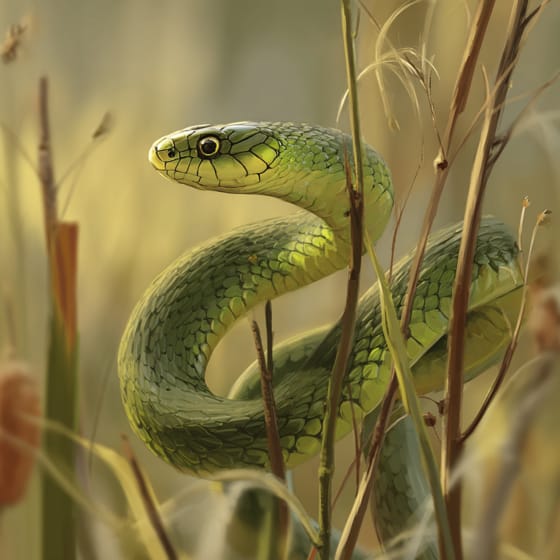
Natrix natrix
May raid nests for eggs or chicks.
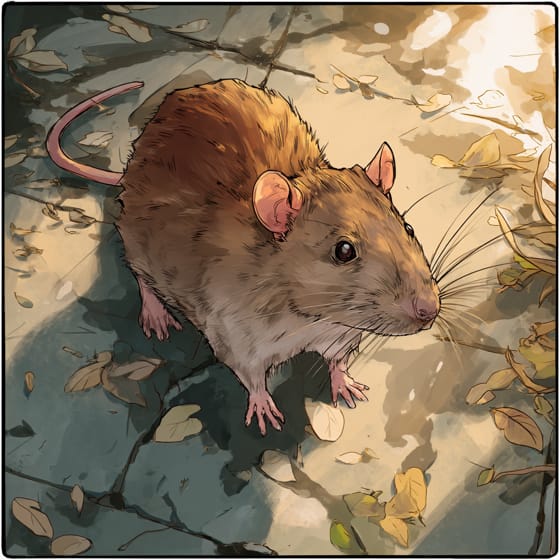
Rattus norvegicus
Can find and eat eggs or young in nest tunnels.
Wildlife encompasses all undomesticated animal and plant life existing in their natural habitats.
Feathered describes animals, primarily birds, possessing a covering of feathers.
Social animals live in organized groups, cooperating for survival benefits such as foraging, defense, and raising offspring.
Colorful describes organisms or objects displaying a wide range of bright and distinct colors.

Piscivorous organisms are animals that primarily subsist on a diet of fish.

Diurnal animals are primarily active during daylight hours, typically resting or sleeping at night.

Freshwater habitats include non-saline aquatic environments such as rivers, lakes, ponds, and wetlands, vital for numerous species.
Danger
1/5 · Very low
Always watch kingfishers from a distance and do not disturb them. They are wild animals and should be treated gently.
16-17 cm
24-26 cm
0.025-0.04 kg
7-8 years
45 km/h
A speedy hunter that dives for small fish and aquatic insects in clear freshwater.
Near rivers, lakes, and ponds
Ambush
Zoom in to split clusters and explore where this object has been snapped.

South Moravian Region, CZ
You might spot Common Chaffinch and Nine-Spotted Moth.
View guide →

Spain, ES
You might spot European Bison, Asian Elephant, and Tiger.
View guide →

Bremen, DE
You might spot Black-Headed Gull and Lesser Black-Backed Gull.
View guide →

Nouvelle-Aquitaine, FR
You might spot House Sparrow, Common Wall Lizard, and Common Moorhen.
View guide →

Izmir, TR
You might spot African Lion, Camelus, and Psittacidae.
View guide →